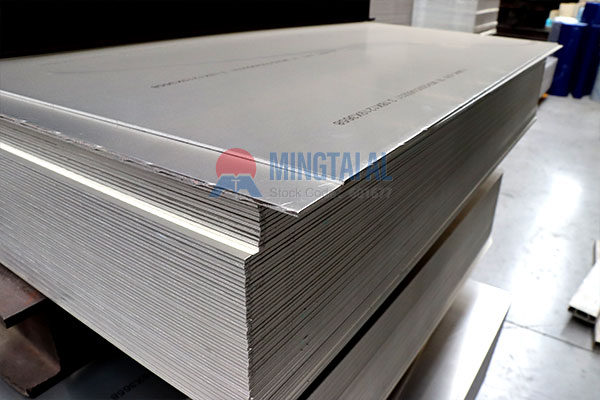
aluminum sheet for bus shelter
A bus shelter exposed to sun, rain, wind, and temperature swings needs materials that can hold up for the long haul. That is why aluminum sheet for bus shelter applications has become the go-to choice for transit authorities and shelter manufacturers worldwide—balancing lightweight properties with proven corrosion resistance.
Why Does the Bus Shelter Industry Favor Aluminum Sheet?
In short, aluminum simply fits this outdoor application better than galvanized steel or stainless steel. A quick comparison shows why:
|
Factor |
Galvanized Steel |
Stainless Steel |
Aluminum Sheet |
|
Corrosion resistance |
Relies on zinc coating; rust starts once coating is damaged |
Good corrosion resistance |
Naturally forms a protective oxide layer that self-heals if scratched—ideal for acid rain and coastal salt spray |
|
Weight |
Heavy |
Heavy |
About one-third the weight of steel |
|
Maintenance needs |
Requires periodic repainting and rust prevention |
Minimal maintenance |
Minimal maintenance |
|
Service life |
Moderate |
Longer |
Longer (typically around 20 years) |
Beyond the longer service life and minimal upkeep, aluminum significantly reduces structural load on support posts, making transportation and installation easier. When factoring in maintenance savings and installation efficiency over the full lifecycle, aluminum sheet often delivers better overall value than its upfront material cost suggests.
*Note on surface finishing: In actual bus shelter projects, aluminum sheets are typically sent to specialized fabricators for fluorocarbon coating or powder coating. As a mill‑level supplier of aluminum sheet coil, we focus on delivering high‑quality, consistent base material and do not perform surface treatment or further processing.*
Alloy Grade Matters Most for Real Weather Resistance
Not all aluminum alloys perform the same outdoors. For bus shelter applications, three grades stand out for different roles:
> 5052‑H32 – The most widely used choice for shelter panels. Excellent seawater corrosion resistance, good formability and weldability, and sufficient tensile strength for roofing, side panels, and advertising light‑box facings in the vast majority of projects.
> 5083‑H116/H321 – Preferred for higher‑strength requirements. Higher magnesium content gives it noticeably greater tensile strength than 5052, while retaining comparable corrosion resistance—well suited for typhoon‑prone regions or structurally demanding applications.
> 6061‑T6 – A common material for structural framing. This heat‑treated aluminum‑magnesium‑silicon alloy offers high strength and rigidity, typically used as extrusions for shelter columns, beams, and load‑bearing members.
In practice, pairing 5052 or 5083 sheet for panels with 6061 extrusions for framing has proven to be a cost‑effective, field‑tested combination across numerous projects.
How to Determine the Right Thickness and Dimensions?
Thickness and size depend on the specific shelter design, but the following general ranges offer a practical starting point:
- Panels (roofing, side walls): Outdoor exposed areas typically use 2.5mm or 3.0mm for a good balance of strength and flatness
- Decorative elements or non‑load‑bearing parts: 2.0mm can be used to meet requirements while controlling material cost
- Width: Common widths are 1220mm, 1250mm, and 1500mm. Mills with wide‑rolling capabilities can supply up to 2600mm in width, reducing welded seams across large surfaces and giving the finished shelter a cleaner appearance
- Length: Custom lengths from 500mm up to 16,000mm are typically available to match project drawings
Before ordering, it is advisable to share your design drawings with the supplier to confirm they can produce the required dimensions within their capabilities.
Key Points to Check When Sourcing Aluminum Sheet
- Mill test certificates: Always request original material test reports verifying alloy grade, chemical composition, and mechanical properties meet international standards such as ASTM B209
- Tolerance specifications: Clearly define acceptable tolerances for thickness and flatness in your purchase agreement to avoid issues like warping or welding misalignment during fabrication
- Packaging for shipment: For export or long‑distance transport, confirm that the supplier uses wooden pallet packaging with moisture protection to prevent scratches and deformation in transit
Selecting the right aluminum sheet for bus shelter projects is about balancing environmental durability against long‑term cost efficiency. Every step—from material comparison to alloy selection to specification confirmation—deserves careful attention.
With extensive experience supplying aluminum sheet for transit infrastructure, Henan Mingtai Al offers alloy options and custom dimensions tailored to shelter projects. Reach out to discuss your specific requirements.
FAQ (Quick Answers)
Q: Which aluminum alloy is best for coastal bus shelters?
A: 5052 or 5083 aluminum sheet is strongly recommended for coastal environments due to their outstanding salt‑spray corrosion resistance.
Q: Will aluminum sheet rust after years outdoors?
A: No—it does not rust. The surface may dull slightly from natural oxidation, but that oxide layer actually protects the metal from further corrosion.
Q: Is 2.5mm aluminum sheet strong enough to withstand typhoons?
A: 2.5mm 5052 sheet combined with proper structural framing can meet standard wind‑load requirements—site‑specific calculations should be based on local basic wind pressure.
Q: Do you provide fluorocarbon coating or powder coating for aluminum sheets?
A: No—we supply high‑quality aluminum sheet coil as base material; coating and finishing are typically handled by specialized fabricators or contractors.