Electrical Equipment
Aluminum Materials for Enclosures, Protection, and Power Distribution
Electrical equipment used in industrial manufacturing must deliver reliable performance in environments where heat, electrical load, corrosion resistance, and dimensional stability all matter. As equipment becomes more compact and more power-intensive, demand for dependable aluminum materials continues to grow.
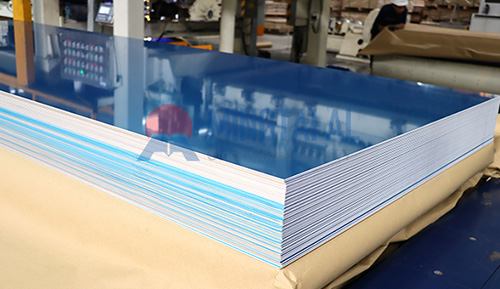
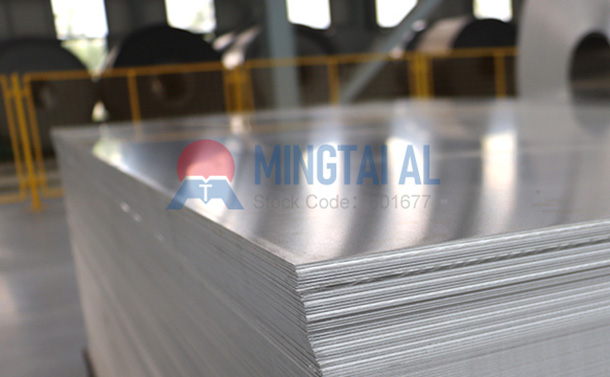
Mill finish aluminum sheets and coils are widely used in electrical equipment applications, supporting stable forming performance, consistent quality, and efficient downstream processing. These materials are suitable for electrical enclosure parts, structural components, and related applications where precision and repeatability are essential.
What Electrical Equipment Materials Need to Handle
Electrical equipment components often face a combination of mechanical stress, heat buildup, and long-term operational demands. Material selection directly affects safety, service life, assembly efficiency, and overall product reliability.
Compared with heavier materials, aluminum offers a practical balance of lightweight performance, corrosion resistance, and formability. Mill finish aluminum provides a flexible base material for manufacturers, allowing downstream processes such as stamping, forming, bending, punching, and assembly to be carried out according to specific production requirements.
Where Aluminum Is Used in Electrical Equipment
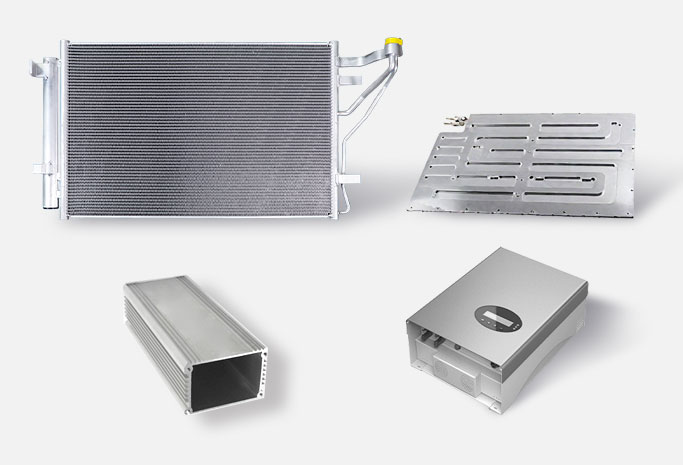
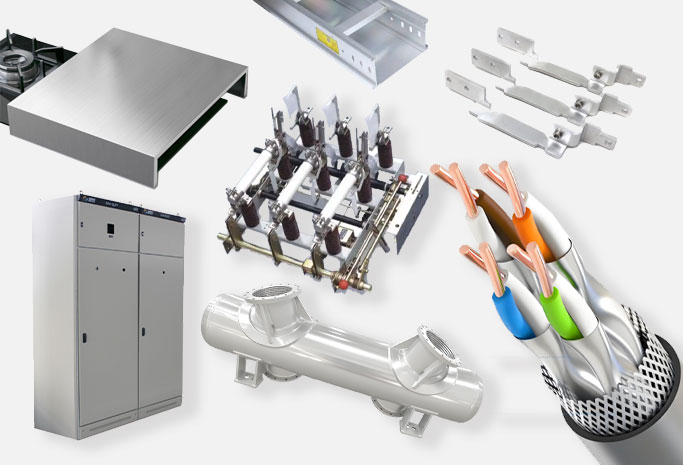
Aluminum materials for electrical equipment are commonly used in the following components:
- Electrical Enclosures
Protective housings used for power distribution units, control systems, and industrial electrical equipment.
- Cabinet Panels and Covers
Exterior and structural parts used in control cabinets where dimensional accuracy and surface consistency are important.
- Busbar Support Parts
Aluminum components used in power distribution systems where stable fabrication and reliable performance matter.
- Switchgear Components
Structural parts used in switchgear assemblies requiring strength, processing stability, and long service life.
- Protective and Mounting Parts
Lightweight structural parts used together with **electronic enclosures** and other equipment housings to improve assembly stability.
Alloy Options for Electrical Equipment Manufacturing
Choosing the right alloy depends on whether the part needs better formability, stronger mechanical support, or a balance of both.
-
1xxx Series (e.g., 1060, 1100)
Often used for parts that require excellent formability and stable processing performance.
-
3xxx Series (e.g., 3003, 3004)
Commonly selected for electrical equipment components that need a balance of strength, corrosion resistance, and fabrication reliability.
-
5xxx Series (e.g., 5052, 5754)
Suitable for structural parts and **control cabinets** that require improved corrosion resistance and stronger mechanical performance.
-
Supply Condition
Mill finish only, without coating or pre-treatment, allowing flexible downstream processing.
-
Customization Options
Thickness, width, and alloy selection can be tailored to specific electrical equipment and enclosure requirements.
Typical Specifications for Electrical Equipment Materials
|
Item |
Description |
|
Alloy Series |
1xxx series, 3xxx series, 5xxx series |
|
Typical Alloys |
1060, 1100, 3003, 3004, 5052, 5754 |
|
Temper |
O temper / H temper / other tempers depending on application |
|
Thickness Range |
Available upon request (customizable) |
|
Width Range |
Custom widths supported |
|
Supply Form |
Sheet and coil |
|
Surface Condition |
Mill finish |
What Buyers Value in Mill Finish Aluminum for Electrical Equipment
For electrical equipment, material consistency directly affects fabrication stability, assembly efficiency, and final product reliability. Mill finish aluminum gives manufacturers a practical base material for parts that need repeatable quality and dependable processing results.
Production Stability for Electrical Equipment Programs
Consistent material quality is especially important in electrical equipment manufacturing, where dimensional accuracy, flatness, and repeatable processing directly affect assembly efficiency and product reliability.
With controlled rolling and inspection processes, stable supply performance can support customers that need predictable material behavior and long-term production continuity.
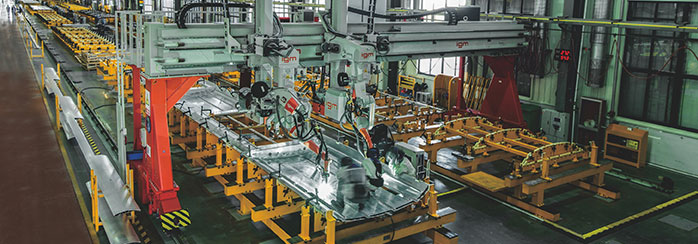
- * Rolling and inspection processes controlled throughout production
- * Mechanical properties tested for stable forming performance
- * Surface quality and flatness inspected before shipment
- * Consistent batch performance supports continuous production requirements
- * Large-scale supply capability with stable delivery performance
Request a Quote for Electrical Equipment Materials
Looking for a reliable supplier of mill finish aluminum sheets and coils for electrical equipment applications?
Contact us for alloy recommendations, technical support, and customized supply solutions based on your project requirements.