Mold and Tooling
Why Tooling Materials Need Flatness and Machinability
Mold making and CNC machining place a premium on materials that stay flat, machine cleanly, and resist distortion during fabrication. In these applications, aluminum is widely used because of its machinability, thermal stability, and lightweight strength. Precision tooling plate and cast mold plate are specifically used where flatness and stability matter most.
For mold and tooling projects, that combination helps shorten machining time, improve part consistency, and support repeatable results across production runs.
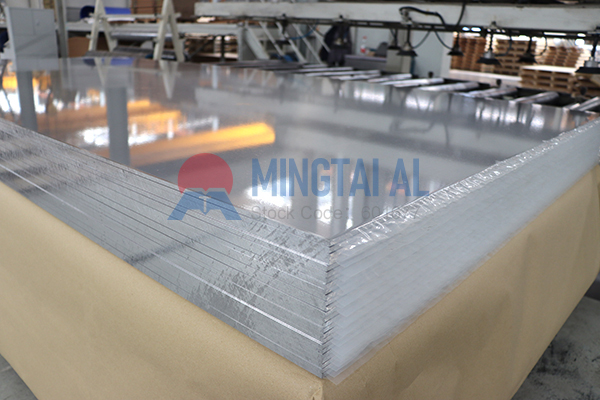
What Mold and Tooling Shops Expect from Aluminum
Tooling buyers usually look for low internal stress, good dimensional stability, and dependable machining behavior. Several aluminum mold-plate products are designed for exactly that purpose, with descriptions emphasizing flatness, stability, excellent machinability, and strong performance during fabrication.
That is why aluminum tooling plate is often chosen for precision machine work, where maintaining close flatness tolerance can make a real difference in setup efficiency and final accuracy.
Common Uses in Mold and Tooling
- Machining Fixtures
Used where flatness and dimensional stability are important for accurate milling, drilling, and grinding.
- Mold Bases
Used in injection molds, compression molds, RIM molds, structural foam molds, and large blow molds.
- Jig Plates
Used for repeatable setups and part location in precision manufacturing, where stability during machining is important.
- Prototype Tooling
Used in low-pressure mold work and prototype programs where fast machining and stable performance are important.
Alloy Choices for Mold and Tooling Applications
For mold and tooling work, commonly used alloy options include 5083, 6061, and high-strength 7xxx-series tooling plate grades. Published supplier data shows 5083 tooling plate is used where flatness and stability are desired, while 6061 is used in general tooling applications and low-pressure molds. High-strength 7xxx-series mold plate grades are also used for mold-making applications where strength, hardness, thermal conductivity, and stable machining behavior matter.
-
Supply Condition
Mill finish stock, ready for downstream machining, milling, or surface finishing.
-
Customization Options
Thickness, width, and alloy selection can be tailored to specific tooling and mold-making requirements.
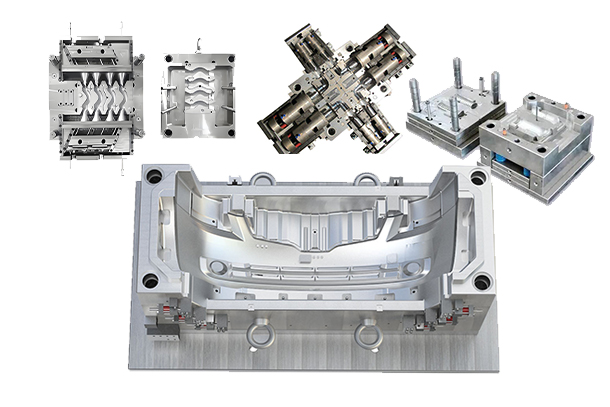
Typical Specifications for Mold and Tooling Materials
|
Item |
Description |
|
Alloy Series |
5xxx series, 6xxx series, 7xxx series |
|
Typical Alloys |
5083, 6061, high-strength 7xxx tooling plate grades |
|
Temper |
O temper / H temper / T temper depending on application |
|
Thickness Range |
Available upon request (customizable) |
|
Width Range |
Custom widths supported |
|
Supply Form |
Sheet, plate, and coil |
|
Surface Condition |
Mill finish |
Why Buyers Choose Aluminum for Tooling Projects
Buyers in mold and tooling usually care about how fast the material machines, how well it holds flatness, and how stable it stays from one part to the next. Aluminum tooling plate is commonly positioned for exactly those requirements.
Production Consistency for Tooling Programs
In tooling production, dimensional accuracy and repeatable processing are critical because they affect setup time, tool life, and final part quality. Mold-plate and tooling-plate products are commonly specified for stable machining behavior and consistent through-thickness performance.
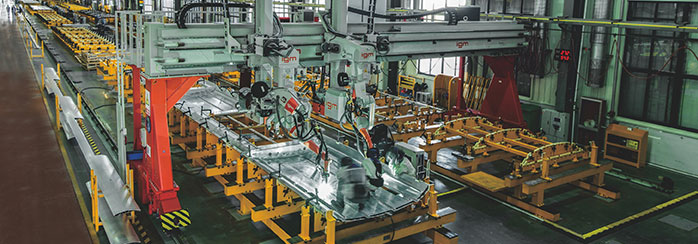
- * Rolling and inspection processes controlled throughout production
- * Mechanical properties tested for stable fabrication performance
- * Surface quality and flatness inspected before shipment
- * Consistent batch performance supports repeatable press results
- * Large-scale supply capability with stable delivery performance
Request a Quote for Mold and Tooling Materials
Looking for a reliable supplier of aluminum stock for mold and tooling applications?
Contact us for alloy recommendations, technical support, and customized supply solutions based on your project requirements.