
Industrial Foil
Why Industrial Packaging Calls for a Strong Barrier Layer
Industrial packaging often needs to protect products from moisture, oxygen, light, dust, and handling damage during storage and transport. In many applications, the packaging material also has to support sealing, lamination, and repeatable converting without losing consistency.
Aluminum foil is widely used in industrial packaging because it provides strong barrier performance, stable processing behavior, and dependable protection. For packaging structures that require precision and repeatability, foil remains a practical material choice.
What Converting Lines Need from Aluminum Foil
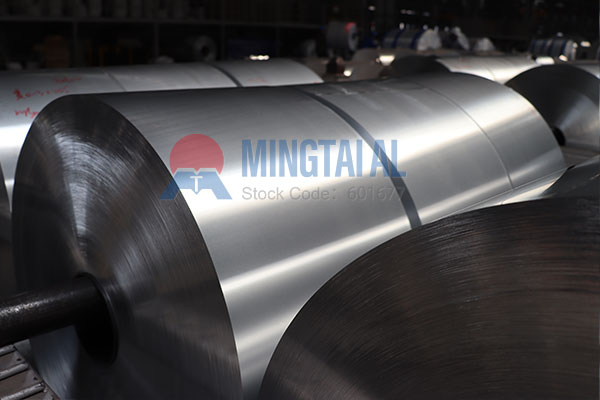
In industrial packaging lines, the material must run smoothly through slitting, lamination, sealing, and forming operations. Thickness consistency, surface quality, and width stability directly affect production efficiency and final package performance.
Aluminum foil provides a flexible base material for converters and packagers, supporting downstream processing according to the requirements of barrier wraps, protective laminates, and sealed packaging formats.
Where Foil Fits in Industrial Packaging Structures
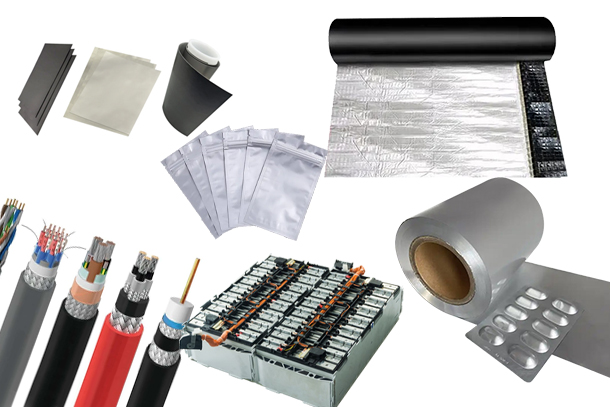
- Barrier Wraps
Used for packaging formats that need protection against moisture, light, and contamination during transit or storage.
- Laminated Packaging Structures
Used in multi-layer packaging where foil acts as a barrier layer for improved product protection.
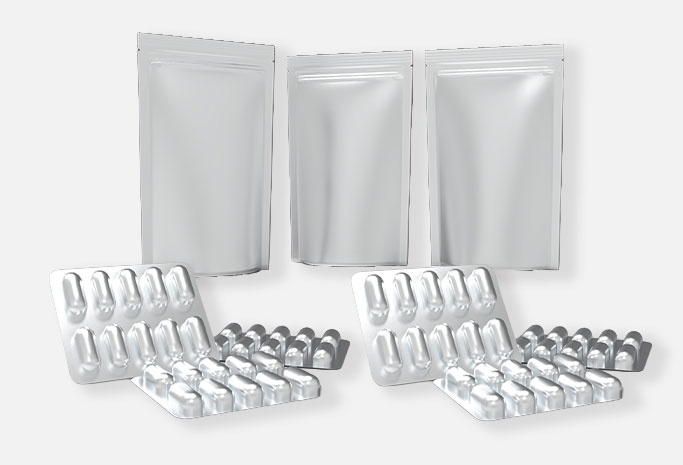
- Sealed Industrial Pouches
Used for pouch formats that require stable sealing performance and dependable material behavior.
- Protective Covering Layers
Used for wrap-style packaging that needs a clean surface and reliable barrier properties.
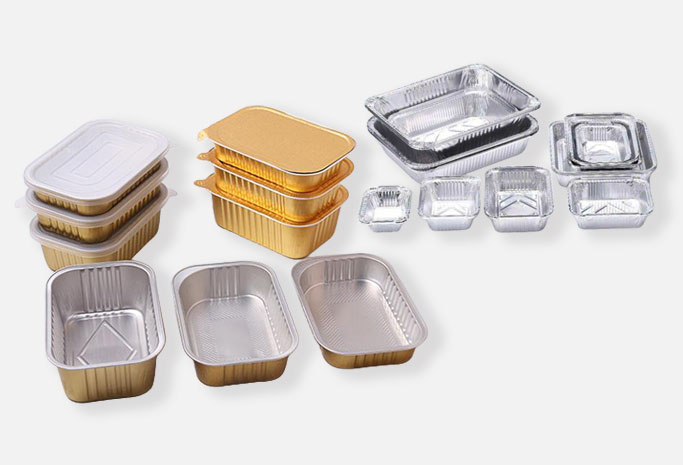
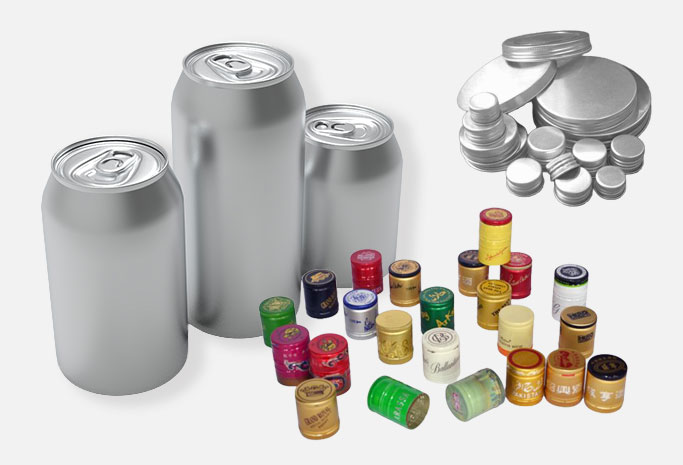
- Technical Packaging Components
Used in industrial packaging structures where consistency, flatness, and repeatable converting matter.
Alloy Options for Barrier Wrapping and Sealing
For industrial packaging applications, commonly used alloy options include 1235, 8011, 8079, and 3003. These grades are selected depending on whether the packaging needs better barrier performance, stronger forming behavior, or a balance of both.
-
Supply Condition
Mill finish only, without coating or pre-treatment, allowing flexible downstream processing.
-
Customization Options
Thickness, width, and alloy selection can be tailored to specific industrial packaging and converting requirements.
Typical Specifications for Industrial Packaging Foil
|
Item |
Description |
|
Alloy Series |
1xxx series, 3xxx series, 8xxx series |
|
Typical Alloys |
1235, 8011, 8079, 3003 |
|
Temper |
O temper / soft temper / other tempers depending on application |
|
Thickness Range |
0.02–0.2 mm |
|
Width Range |
200–1600 mm |
|
Supply Form |
Foil jumbo roll |
|
Surface Condition |
Mill finish |
What Packaging Programs Rely on in Foil Performance
For industrial packaging, consistency in barrier performance, converting behavior, and surface condition directly affects sealing quality and production stability. When the foil is used in high-volume packaging lines, even small variations can affect output quality.
Production Consistency for Packaging Runs
Consistent material quality is especially important in industrial packaging, where dimensional accuracy and repeatable processing directly affect assembly efficiency and final package performance.
With controlled rolling and inspection processes, stable supply performance can support projects that need predictable material behavior and long-term production continuity.
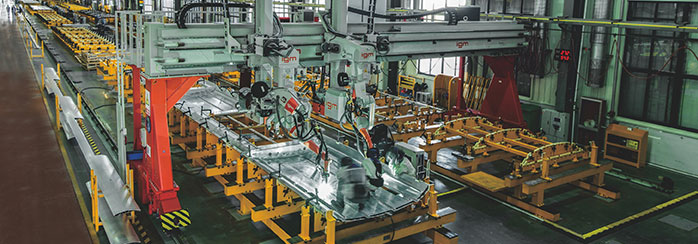
- * Rolling and inspection processes controlled throughout production
- * Surface quality and flatness inspected before shipment
- * Consistent batch performance supports repeatable fabrication results
- * Large-scale supply capability with stable delivery performance
Request a Quote for Industrial Packaging Foil
Looking for a reliable supplier of aluminum foil for industrial packaging applications?
Contact us for alloy recommendations, technical support, and customized supply solutions based on your project requirements.