5052 h32 aluminum sheet
In the world of non‑heat‑treatable alloys, 5052 H32 aluminum sheet stands out for its excellent corrosion resistance, good formability, and balanced strength. It belongs to the Al‑Mg (5xxx) series, with magnesium as the main alloying element (2.2‑2.8%). Unlike 6xxx or 7xxx alloys, its strength comes from cold working – not from heat treatment – which gives it unique advantages in many fabrication processes.
What Does H32 Mean?
The temper designation “H32” tells you exactly how the material was processed:
- H – strain‑hardened (cold‑worked)
- 32 – strain‑hardened and then stabilised, with a quarter‑hard strength level
In practice, this means the sheet has been cold‑rolled to increase strength, then given a low‑temperature stabilisation treatment that improves dimensional stability without sacrificing formability. The result is a material that bends, stamps, and welds reliably while maintaining consistent mechanical properties.
Key Mechanical Properties
The table below summarises typical values for 5052‑H32. These numbers serve as a solid reference when comparing with other grades.
|
Property |
Typical Value |
|
Tensile strength |
~228 MPa (33 KSI) |
|
Yield strength |
~193 MPa (28 KSI) |
|
Elongation (1.6 mm thickness) |
12% |
|
Brinell hardness |
~60 HB |
|
Density |
2.68 g/cm³ |
|
Modulus of elasticity |
70.3 GPa |
> Key takeaway: This alloy is not the strongest aluminium sheet on the market, but its combination of corrosion resistance, weldability, and formability makes it the preferred choice for many demanding environments.
Where Is It Used?
5052 H32 aluminum sheet is widely specified across several industries:
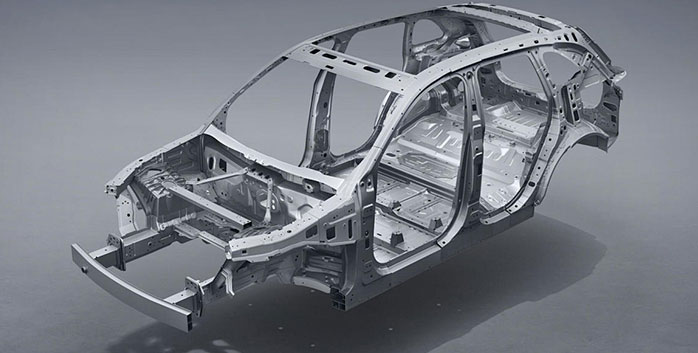
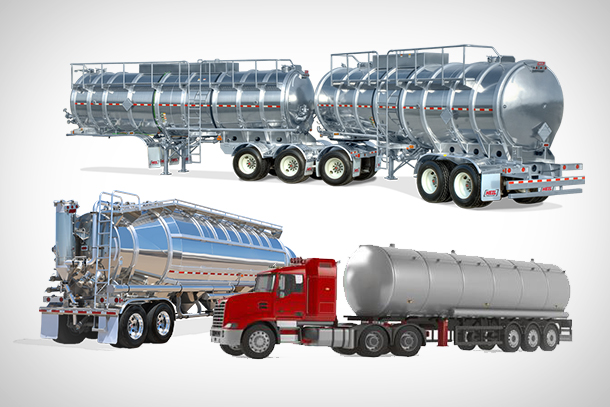
- Transportation – automotive fuel tanks, engine shrouds, bus luggage compartments, and marine hulls.
- Electronics – enclosures, chassis, and heat sinks for 3C products.
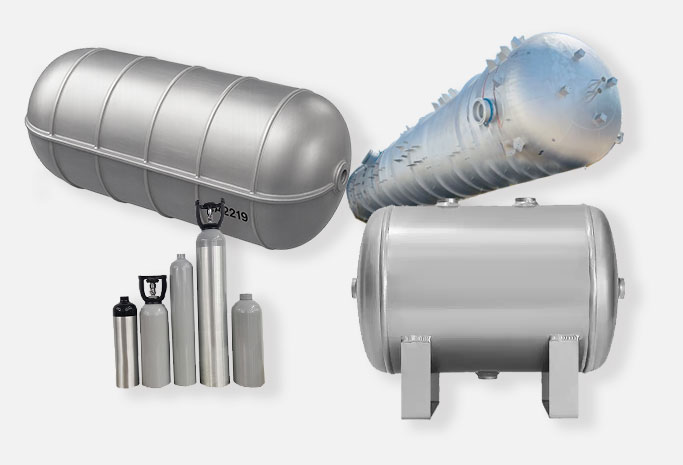
- Industrial equipment – pressure vessels, chemical storage tanks, and mould tooling.
- Architecture and signage – curtain walls, interior panels, and traffic signs.
One of the most notable advantages is its performance in marine atmospheres. Even after long‑term exposure to salt spray, the corrosion penetration remains extremely low – which is why many engineers automatically turn to this grade for coastal or offshore projects.
How Does It Compare with Other Grades?
Choosing the right alloy often comes down to balancing strength, corrosion resistance, and formability.
5052‑H32 vs. 6061‑T6
|
Aspect |
5052‑H32 |
6061‑T6 |
|
Strengthening method |
Cold‑worked (non‑heat‑treatable) |
Heat‑treated |
|
Tensile strength |
~228 MPa |
~310 MPa |
|
Resistance to seawater |
Excellent |
Moderate |
|
Formability |
Easy to bend and stamp |
Tends to crack with tight radii |
- Choose 5052‑H32 when the part will face moisture or salt, requires complex forming, or needs reliable welded joints.
- Choose 6061‑T6 when load‑bearing capacity is the primary concern and machining is the main fabrication method.
5052‑H32 vs. 3003
5052‑H32 is significantly stronger and more corrosion‑resistant than 3003. The main reasons to pick 3003 are lower cost and slightly better cold‑formability for very deep draws. For indoor, non‑corrosive applications with modest strength needs, 3003 works well; for anything more demanding, 5052‑H32 is the smarter investment.
5052‑H32 vs. 5052‑H34
The composition is identical – only the temper differs. H32 gives a quarter‑hard condition with better elongation, making it easier to bend and weld. H34 is half‑hard, offering higher strength but less ductility. If your production involves significant forming operations, H32 is the safer choice.
Available Sizes and Sourcing Tips
Typical supply ranges include:
- Thickness: 0.1 mm – 500 mm (customisable)
- Width: 100 mm – 2650 mm
- Length: 500 mm – 16000 mm
- Standards: GB/T 3880.2, ASTM B209, EN AW‑5052
A few practical points to keep in mind when ordering:
1. Always confirm the temper – H32 and H34 are not interchangeable for formed parts.
2. Request a material test report (MTR) to verify that the magnesium content falls within 2.2‑2.8% and that the mechanical values match the specification.
3. For widths above 2000 mm, check the minimum order quantity in advance.
4. Describe your intended application clearly – surface quality and flatness tolerances vary depending on whether the sheet is used for fuel tanks, enclosures, or decorative panels.
FAQ
Q: Can 5052‑H32 be welded?
A: Yes, it welds well with gas, arc, and resistance welding methods.
Q: What is the difference between H32 and O temper?
A: H32 is strain‑hardened and stabilised for higher strength; O is fully annealed and much softer.
Q: How does it perform in salt‑spray environments?
A: Exceptionally well – it is one of the most corrosion‑resistant aluminium alloys available.
Q: What is the minimum bend radius for this grade?
A: Typically 0.5 to 1 times the sheet thickness, depending on the rolling direction.
Q: What should be checked before placing an order?
A: Confirm the temper, thickness tolerance, magnesium content, and ask for the mill test certificate.
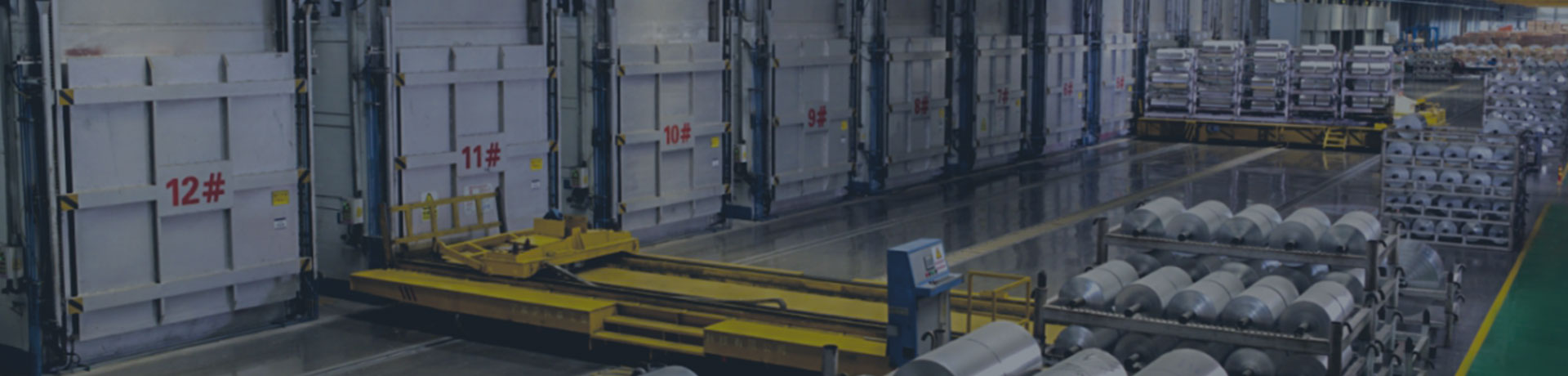
Henan Mingtai Al has an annual capacity of 1.3 million tonnes of aluminium flat‑rolled products. The company offers 5052‑H32 sheet in thicknesses from 0.1 to 600 mm and widths up to 2650 mm. Contact them for detailed quotations and technical data sheets.