Aluminum Sheet for Bus Bodies
Emission regulations are tightening worldwide, and fuel costs remain persistently high. Bus operators are squeezed between compliance and profitability. Lightweighting is recognised as the most direct and effective route to cut energy use and carbon emissions.
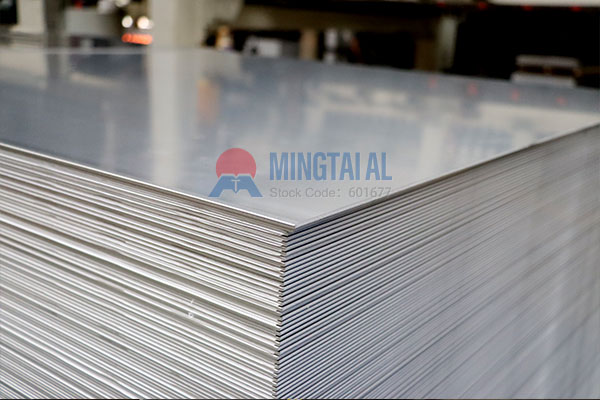
Aluminum Sheet for Bus Bodies offers the most mature and reliable solution, with a density only about one‑third that of steel. From city buses to long‑distance coaches, aluminum sheet is reshaping body design and operational economics.
How Much Weight Can You Really Save?
The answer is clear: significant and measurable.
Buses built with aluminum sheet bodies typically achieve 20% to 40% weight reduction compared with traditional steel structures. Some well‑optimised full‑aluminium designs have reached as high as 46%. The exact percentage varies by model, design targets, and structural optimisation, but in every case the weight drop is substantial and verifiable – backed by real‑world production programmes across the globe.
To put it in concrete terms:
> A standard 12‑metre city bus can shed more than one tonne by switching to an aluminium body.
This is not a laboratory figure – it is a proven solution already running in daily service.
What Are the Real‑World Benefits After Weight Reduction?
Lighter bodies deliver a chain of benefits that go far beyond fuel saving.
- Fuel consumption drops.
Every 10% reduction in body weight cuts fuel use by 6%–8%. For a diesel city bus, each 100 kg saved lowers fuel consumption by about 0.4 litres per 100 km. Over a lifetime of several hundred thousand kilometres, the cumulative saving is substantial.
- Electric range extends.
For battery‑electric buses, a 10% weight saving translates into an 8%–10% increase in driving range. With battery costs still high, lightweighting is a more cost‑effective way to boost range than simply adding more cells.
- Braking and acceleration improve.
Less mass means less inertia – faster starts and shorter stopping distances, which are especially valuable for stop‑and‑go city traffic.
- Ride stability enhances.
A lower centre of gravity (made possible by weight reduction) contributes to smoother handling and a more comfortable passenger experience.
Which Aluminum Sheet for Which Bus Part?
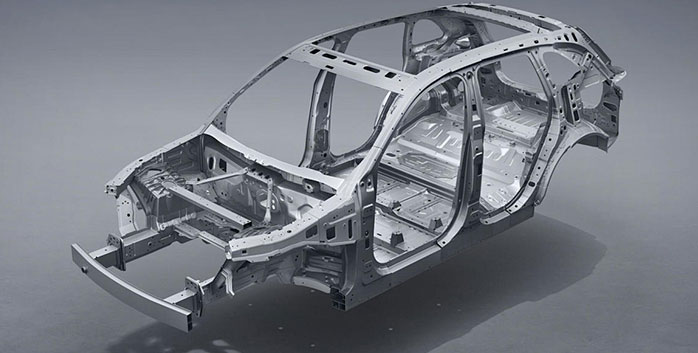
A bus body typically consists of a framework plus skin panels. The framework usually uses 6061‑T6 aluminum extrusions, while the skin is made from aluminum sheet.
For side and outer skin panels – 5052‑H32 is the first choice.
This aluminium‑magnesium alloy offers:
- High strength (tensile strength 210–260 MPa) to meet structural needs
- Excellent fatigue resistance, stable under constant vibration
- Superior corrosion resistance, durable in rain, snow, and road salt environments
Standard thickness ranges from 1.5 to 2.0 mm.
For roof panels – choose between 3003 and 5052 depending on service conditions.
|
Use Case |
Recommended Alloy |
Reason |
|
Mostly flat urban roads |
3003 |
Lower cost, good formability, excellent corrosion resistance |
|
Harsh roads, hills, or rough terrain |
5052 |
Higher strength, better impact resistance, longer service life |
What Is Driving the Rapid Adoption of Aluminum Sheet in Buses?
Tougher regulations are the strongest external force.
In major markets – the EU, the US, and China – emission and fuel‑economy standards are becoming stricter every year. For bus manufacturers, lightweighting via material substitution is the most direct compliance path, with shorter lead times and lower risk than powertrain overhauls.
Total‑cost‑of‑ownership thinking is reshaping procurement.
Fleet operators increasingly evaluate lifetime costs, not just purchase price. An aluminum‑sheet body costs more upfront, but the cumulative savings from fuel, extended range, and reduced maintenance often make the total cost more competitive. A growing number of tender documents now list vehicle kerb weight as a key technical criterion.
Manufacturing and repair technologies are fully mature.
Welding, joining, and repairing aluminium bodies are now routine. There is ample field data from millions of operating kilometres. An aluminium bus body is no longer a “new” or “risky” technology – it is a proven, standard option.
Recyclability adds end‑of‑life value.
Aluminium is 100% recyclable, using only 5% of the energy required for primary production. After a bus is retired, the aluminium components retain significant scrap value – a factor increasingly included in life‑cycle cost calculations.
Taken together, these four drivers are turning aluminium adoption from a trend into a new normal.
When choosing Aluminum Sheet for Bus Bodies, consistent alloy chemistry, tight thickness tolerances, stable surface quality, and reliable delivery are just as important as the material itself.
Henan Mingtai Al specialises in the production of aluminum sheet and strip, covering common bus alloys such as 3003 and 5052. With stable quality and proven processes, we serve bus manufacturers and conversion workshops worldwide.
FAQ
Q: How much weight can aluminum sheet save versus steel?
A: Typically 20%–40%, and up to 46% with optimised designs.
Q: What fuel saving can I expect?
A: Every 10% weight cut reduces fuel use by 6%–8%; 100 kg saved lowers fuel consumption by about 0.4 L/100 km.
Q: Is an aluminum bus body safe?
A: Yes – it meets all structural strength and stiffness standards, and a lower centre of gravity enhances stability.
Q: Which alloy is best for bus side panels?
A: 5052‑H32, in thicknesses of 1.5–2.0 mm, is the most common choice.
Q: How do I choose between 3003 and 5052 for roofs?
A: Choose 3003 for cost‑sensitive urban applications; choose 5052 for higher strength on rough roads.
Q: Does an aluminum body last as long as steel?
A: Yes – aluminium’s natural corrosion resistance gives it a service life equal to or longer than steel under normal maintenance.