6082 t6 aluminum plate
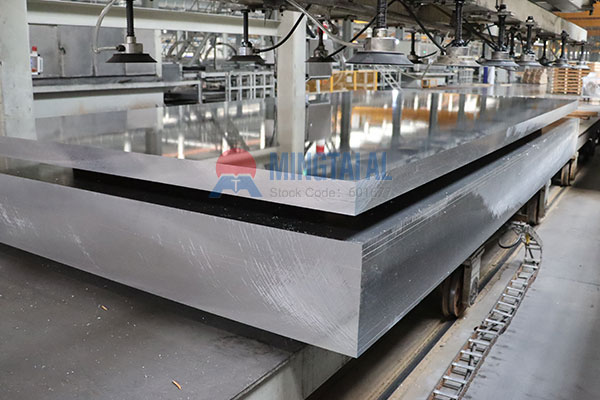
Selecting the right aluminum material for an engineering project is not only about reducing weight. The material must also provide enough strength, reliable processing performance, and long-term stability under working conditions. This is why 6082 T6 aluminum plate is widely considered for structural components, machinery parts, transportation equipment, and other industrial applications where both performance and efficiency are important.
Unlike general-purpose aluminum grades used for light fabrication, 6082 is designed for applications that require higher strength while maintaining good machinability and corrosion resistance. Understanding its characteristics can help engineers make better material decisions for different manufacturing requirements.
A Balanced Alloy for Demanding Industrial Applications
In real manufacturing environments, a material rarely works alone. It needs to support machining processes, withstand mechanical stress, and maintain consistent performance throughout its service life.
6082 aluminum in the T6 temper offers a practical balance of several properties:
- High mechanical strength for structural and load-bearing components
- Good machinability for precision manufacturing processes
- Reliable corrosion resistance for indoor and outdoor applications
- Good weldability for fabricated assemblies
- Excellent strength-to-weight ratio compared with many traditional materials
This combination makes it suitable for projects where reducing weight is important but structural reliability cannot be compromised.
Common Applications Where This Alloy Performs Well
The actual value of an aluminum alloy depends largely on where it is used. For many industries, the material selection process starts with understanding the working environment and performance requirements.
Industrial Machinery Components
Many machine manufacturers use this alloy for:
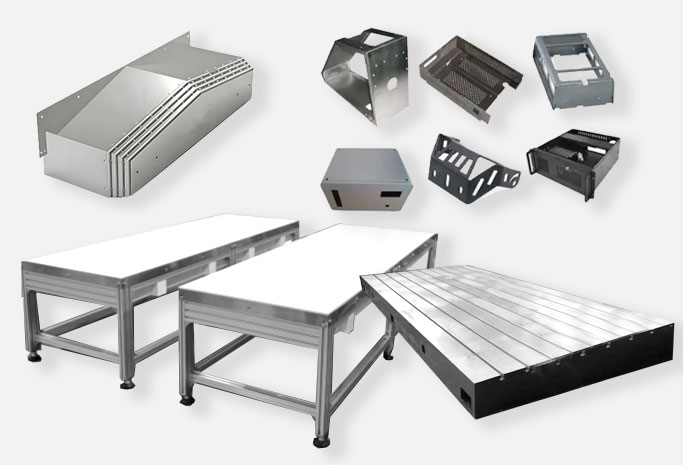
- Machine frames and support structures
- Base plates and mounting components
- Automation equipment parts
- Precision mechanical components
Its stable properties make it suitable for parts that require accurate machining and dependable strength during continuous operation.
Transportation Equipment
Weight reduction is a major consideration in modern transportation design. Strong aluminum materials help manufacturers achieve lighter structures while maintaining safety and durability.
Typical applications include:
- Trailer components
- Railway structures
- Vehicle support parts
- Lifting equipment components
Tooling and Engineering Projects
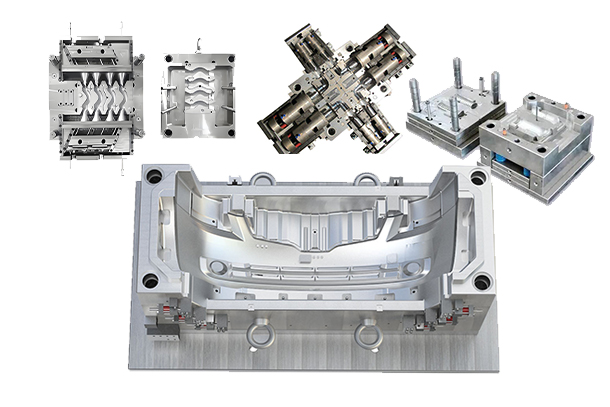
For molds, fixtures, and engineering structures, dimensional stability is often as important as strength. A consistent material structure helps improve machining efficiency and reduces unexpected variations during production.
6082 T6 Aluminum Plate vs 6061 Aluminum: What Is the Difference?
Both alloys are commonly selected for industrial manufacturing, but their performance characteristics are slightly different.
|
Feature |
6082 Alloy |
6061 Alloy |
|
Strength level |
Higher structural strength |
High strength |
|
Machining performance |
Excellent |
Excellent |
|
Weldability |
Good |
Good |
|
Typical use |
Heavy-duty structures and engineering parts |
General fabrication and mechanical applications |
|
Suitable for weight reduction |
Very suitable |
Suitable |
For general applications, 6061 can be an effective choice. However, when a project requires higher strength and improved structural capability without significantly increasing weight, 6082 is often preferred.
Important Factors When Selecting the Right Specification
Choosing an aluminum plate involves more than selecting an alloy grade. Several practical factors should be evaluated before production begins.
1. Consider the Required Thickness
The thickness should match the expected load, structural design, and safety requirements. A thicker plate is not always the best solution, as optimized material selection can help reduce unnecessary weight.
2. Evaluate the Working Environment
Applications exposed to moisture, outdoor conditions, or industrial environments may require additional consideration of corrosion resistance and maintenance expectations.
3. Understand Machining Requirements
If the material will undergo CNC machining or precision fabrication, consistent mechanical properties and dimensional accuracy are important for achieving stable processing results.
4. Check Long-Term Supply Reliability
For repeated production projects, maintaining consistent material quality between different batches helps ensure product performance and manufacturing efficiency.
Practical Tips Before Finalizing Your Material Choice
Before confirming an aluminum material specification, consider these points:
✔ Define the actual load and operating conditions rather than selecting thickness based only on appearance.
✔ Consider the complete manufacturing process, including machining, welding, and assembly requirements.
✔ Choose material suppliers with stable production capabilities and strict quality control.
✔ Confirm required dimensions and technical requirements early to improve production efficiency.
These steps can help avoid unnecessary material changes and improve the overall performance of the final product.
Why Material Consistency Matters in Industrial Production
A high-performance alloy can only deliver its expected benefits when the material quality remains stable. Differences in chemical composition, mechanical properties, or dimensions may affect machining accuracy and final product reliability.
For industrial projects, consistent quality supports:
- More predictable manufacturing processes
- Better machining results
- Reduced production adjustments
- Stable performance across multiple batches
This is especially important for companies producing large equipment, structural components, or repeat-order products.
Henan Mingtai Aluminum supplies high-quality 6082 T6 aluminum plates with stable production capability and strict quality management. We provide reliable aluminum solutions to support various industrial applications worldwide.
FAQ
What is 6082 aluminum plate mainly used for?
It is commonly used for structural components, machinery parts, transportation equipment, tooling, and industrial engineering applications requiring high strength.
Is 6082 aluminum stronger than 6061?
Yes. In many structural applications, 6082 provides higher mechanical strength while maintaining good machinability and weldability.
Is this alloy suitable for outdoor applications?
Yes. Its good corrosion resistance allows it to perform well in many outdoor and industrial environments when properly designed and maintained.
How should the thickness be selected?
The suitable thickness depends on load requirements, component design, machining needs, and the expected working environment.