5754 vs 5083 aluminum plate
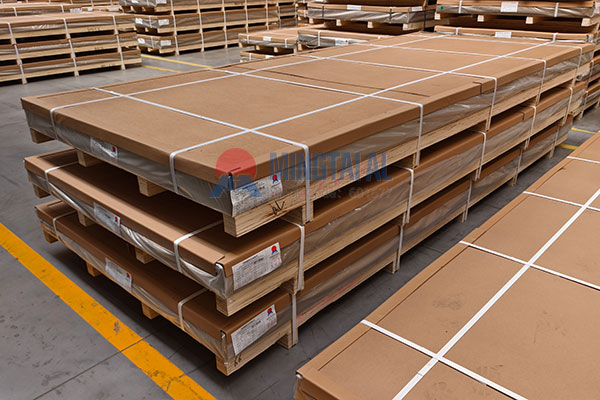
When comparing 5754 vs 5083 aluminum plate for marine and structural applications, the two alloys often appear nearly identical on paper. Both belong to the 5xxx series Al-Mg family, share similar corrosion resistance, and are widely used in shipbuilding. Yet the differences in magnesium content—roughly 2.6–3.6% for 5754 versus 4.0–4.9% for 5083—create distinct performance profiles that directly impact material selection. This article breaks down those differences across composition, mechanical properties, corrosion behavior, weldability, formability, and cost, so you can match the alloy to your specific project needs.
Composition: Where the Differences Begin
The higher magnesium content in 5083 (4.0–4.9%) compared to 5754 (2.6–3.6%) is the primary differentiator. Additionally, 5083 contains more manganese (0.4–1.0% vs. 0–0.5%) and a small amount of chromium (0.05–0.25%), while 5753 has a chromium range of 0–0.3%.
This extra magnesium boosts 5083’s strength and gives it superior resistance to seawater corrosion. In simple terms:
- 5754 is a medium‑strength alloy that balances performance with cost.
- 5083 is a high‑strength alloy engineered for harsh marine environments.
Mechanical Properties: Clear Strength Gap
5083 offers the highest static strength among all non‑heat‑treatable aluminum‑magnesium alloys, while 5754 sits at a medium level. The table below summarizes typical values in common tempers:
|
Property |
5754 |
5083 |
|
Tensile strength (MPa) |
190–260 |
275–350 |
|
Yield strength (MPa) |
80–200 |
125–280 |
|
Brinell hardness (HB) |
52–88 |
~89 |
For primary load‑bearing structures like hull shells and main decks, 5083 provides a clear safety margin. For secondary or lightly loaded components, 5754’s strength is entirely sufficient, offering a lighter‑duty alternative without compromising reliability.
Corrosion Resistance: The Marine Decider
Both alloys resist corrosion well, but their performance in seawater differs significantly.
- 5754 performs admirably in industrial atmospheres, fresh water, and many chemicals—ideal for most transportation and general structural uses. However, under prolonged seawater immersion, its resistance is slightly inferior to 5083.
- 5083 excels in marine environments, particularly in the H116 and H321 tempers. H116 offers strict corrosion control and excellent resistance to exfoliation, while H321 combines high strength with stable properties—making it the preferred choice for ship hulls, offshore platforms, and components continuously exposed to saltwater.
The stabilisation treatment applied to 5083‑H116/H321 ensures reliable performance even in welded joints, a critical factor for large‑scale marine fabrication.
Weldability and Formability: Trade‑offs to Consider
Weldability is good for both alloys. 5754 produces strong welded joints with minimal fuss, while 5083 is also weldable but requires dedicated filler wires (e.g., 5183 or 5356) and more careful process control.
Formability is where 5754 clearly wins. It bends, stamps, and deep‑draws easily, making it suitable for complex shapes. 5083 is less formable—deep forming is more difficult, so it is often used in simpler geometries or machined parts.
If your project involves extensive cold‑forming operations, 5754’s workability can significantly reduce production costs and lead times.
Typical Applications: Which Alloy Fits Where
Common uses for 5754:
- Truck trailers, floor panels, and chemical plant platforms
- Interior ship structures, walkways, and non‑direct seawater components
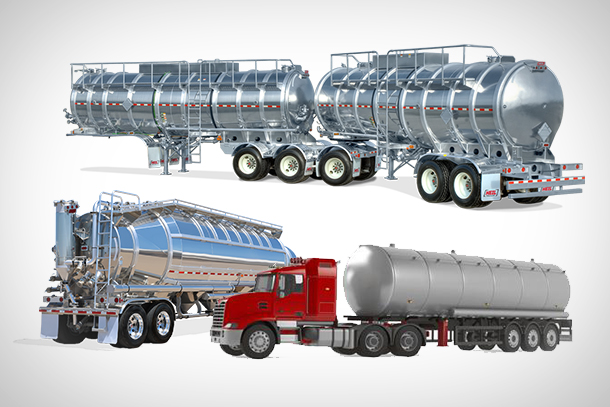
- Welded tanks, pressure vessels, and storage equipment
- Automotive body panels and dies
Common uses for 5083:
- Main hull structures, decks, side shells, and bottom plates
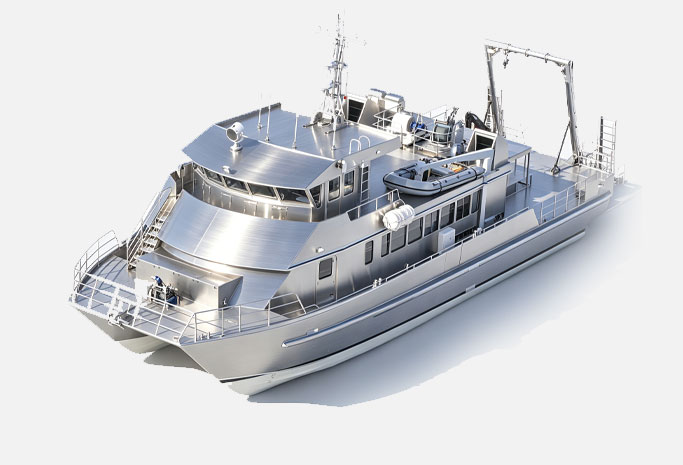
- Full‑aluminum hulls for large yachts and high‑speed craft
- Offshore platforms, oil rigs, and marine equipment
- Cryogenic tanks, pressure vessels, and military armour
A quick rule of thumb: choose 5754 when complex forming and cost control are priorities; choose 5083 when long‑term seawater exposure and high load‑bearing capacity are non‑negotiable.
Cost Considerations: Balancing Budget and Performance
Because of its higher magnesium content and superior strength, 5083 typically costs several hundred to over a thousand RMB more per tonne than 5754.
For non‑critical structures or budget‑sensitive projects, 5754 offers excellent value. For main structures that will face years of marine service, the higher upfront cost of 5083 is often offset by longer service life and reduced maintenance—making it the more economical choice in the long run.
> Note: The comparisons above refer to bare aluminium plate and coil materials, without any surface treatment or secondary processing.
Making the Right Choice
|
Project Requirement |
Recommended Alloy |
|
Complex forming, cost‑sensitive, no continuous seawater exposure |
5754 |
|
Prolonged seawater immersion, high load demands, primary hull structure |
5083 (preferably H116 or H321) |
There is no universal “better” alloy—only the one that matches your structural function, corrosion exposure, forming needs, and budget. Evaluating these factors together will lead to a sound, cost‑effective decision.
When your project demands reliable supply of either grade, Mingtai Aluminum offers a full range of 5xxx series plates with marine classification certifications—ready to meet your specifications.
FAQ
Q: Can 5754 and 5083 be used interchangeably?
A: No—they differ significantly in strength, corrosion resistance, and formability; always select based on actual operating conditions.
Q: What is the practical difference between 5083‑H116 and H321?
A: H116 provides stricter corrosion control and better exfoliation resistance, while H321 offers the highest strength and is the most common choice for marine structures.
Q: Is 5754 suitable for shipbuilding?
A: Yes, but mainly for internal components, non‑seawater‑exposed parts, and auxiliary structures on inland or coastal vessels.
Ultimately, the choice between 5754 vs 5083 aluminum plate comes down to your project’s specific balance of strength, corrosion exposure, formability, and budget—use the guidelines above to decide with confidence.