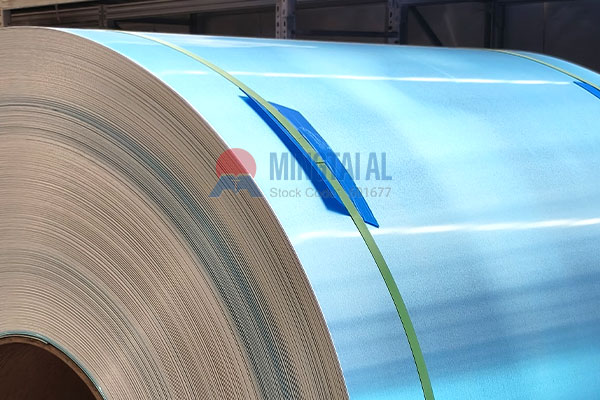
recycled aluminum coil
The aluminum industry accounts for roughly 2% of global carbon emissions. For manufacturers that use aluminum coil in their production, sourcing decisions are increasingly measured by carbon performance. Recycled aluminum coil offers a clear answer.
The Carbon Gap
Primary aluminum production involves bauxite mining, alumina refining, and electrolytic smelting—with the electrolysis stage alone contributing the vast majority of emissions.
Recycled aluminum takes a different path. It is produced by remelting scrap, bypassing the electrolytic step entirely.
Key comparisons:
- Primary aluminum (cradle‑to‑gate): ~10 kg CO₂e/kg
- Recycled aluminum (from scrap): ~0.26 kg CO₂e/kg
- That is a 39‑fold difference
Producing 1 tonne of recycled aluminum saves approximately 10.97 tonnes of CO₂ compared to primary production. In energy terms, recycled aluminum consumes just 5%–8% of the energy required for primary aluminum.
With the EU Carbon Border Adjustment Mechanism (CBAM) fully implemented from 2026, importers must report embedded emissions and purchase certificates to cover them. Carbon data is no longer just an environmental metric—it directly affects the bottom line.
Specifications and Performance
Aluminum can be recycled indefinitely with zero loss of quality. When remelted, the crystal structure reforms completely—recycled aluminum delivers identical performance to primary metal.
Recycled coil complies with the same international standards as primary aluminum: ASTM, EN, and GB all apply. Thickness, width, and coil diameter are fully customizable.
Common alloy series and their typical applications:
- 3xxx series (3003, 3004, 3104) – can stock, containers, automotive components
- 5xxx series (5052, 5083, 5182) – automotive parts, marine, transportation
- 6xxx series (6061) – structural components, tooling plates
Our focus is on the production and supply of aluminum sheet, strip, and foil products. We do not engage in surface treatment or secondary processing.
Certifications that Validate Carbon Claims
Carbon reduction data requires third‑party verification.
The most widely applicable certification is GRS (Global Recycled Standard) Version 4.0. It covers any product with at least 20% recycled content, and the certification process examines every stage from recycling to finished goods. Once recycled content exceeds 50%, the GRS label can be used.
Here is what GRS certification verifies:
1. Chain of custody — from scrap sourcing to final coil
2. Recycled content percentage — independently confirmed
3. Social and environmental management — throughout production
For more specialised carbon verification, two additional certifications are commonly required:
- SGS Carbon Footprint — quantifies full lifecycle emissions per product
- EPD (Environmental Product Declaration) — complies with ISO 14025 and EN 15804, covering environmental impact from raw material to factory gate
The value of third‑party certification is clear: traceable, verifiable, and presentable to end‑customers.
As Digital Product Passports (DPP) become an industry standard, each coil's carbon footprint, recycled content, and chemical composition will be traceable at batch level.
Where Low‑Carbon Aluminum Coils Are Used
Automotive
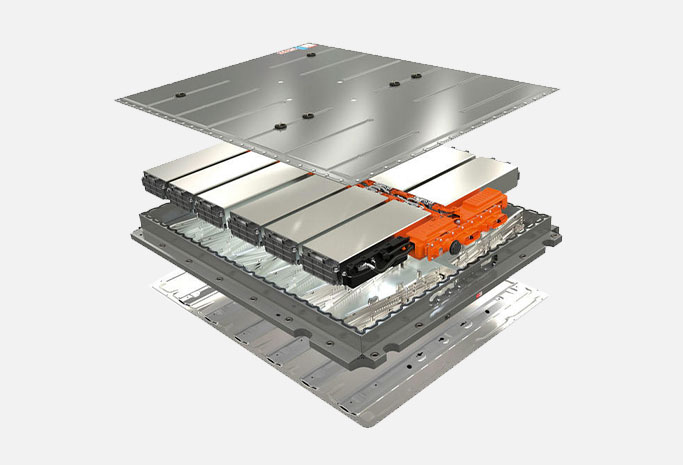
Battery housings, body panels, structural parts. The twin demands of lightweighting and lower emissions are driving adoption.
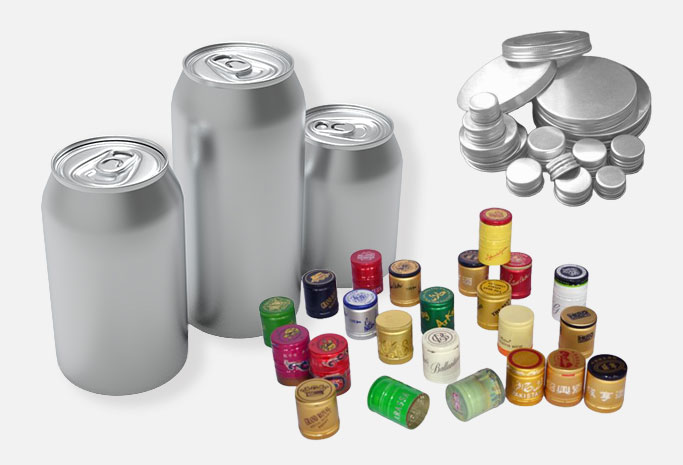
Beverage cans, food containers. Brand owners are actively seeking sustainable packaging solutions.
Building and Construction
Curtain walls, ceiling systems. Green building certifications such as LEED and BREEAM favour low‑carbon materials.
Transportation
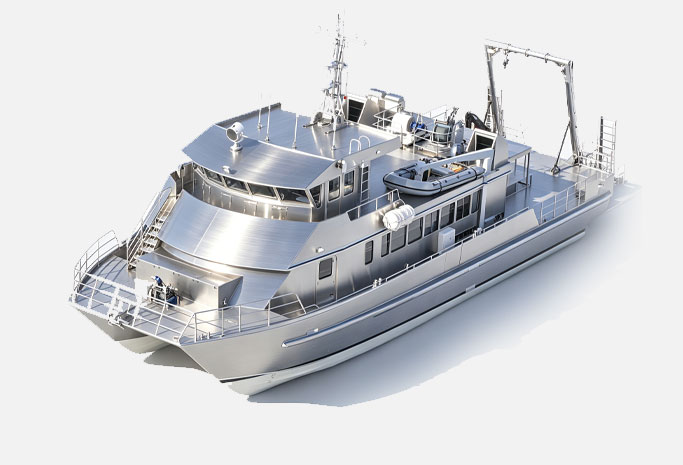
Marine and rail applications. Weight reduction and emission cuts are perfectly aligned goals.
Henan Mingtai Al's Recycled Operations
Henan Mingtai Al has built a fully integrated closed‑loop system spanning scrap collection, remelting, and advanced processing—with a certified recycled capacity exceeding 1 million tonnes. The company holds GRS 4.0 certification, and dozens of core products have completed SGS carbon footprint verification. With carbon emissions at just 2%–5% of primary aluminum levels, Mingtai's products offer a distinct competitive advantage under the EU CBAM framework.
Production capacity for finished recycled products is currently fully utilised. These low-carbon coils are widely applied across new energy vehicles, transportation, food packaging, and many other sectors, serving customers in more than 50 countries worldwide.
The Takeaway
The advantages of recycled aluminum coil are clear: energy consumption reduced by over 95%, carbon emissions cut by more than 90%. And all of this comes without any compromise on specifications, performance, or certification standards.
Choosing recycled aluminum has moved from an environmental option to a rational business decision—one that cuts emissions, preserves quality, and meets tightening regulatory requirements.
FAQ
Q: How much carbon does recycled aluminum coil save versus primary aluminum?
A: Emissions drop by over 90%, and energy use falls by 95%.
Q: Are mechanical properties the same as primary aluminum coil?
A: Yes—recycling preserves full performance, and all specs meet ASTM/EN/GB standards.
Q: Which certifications matter for recycled aluminum coil?
A: Look for GRS (recycled content), SGS Carbon Footprint (verified emissions), and EPD (lifecycle assessment).
Q: Can recycled coil be used in automotive and food packaging?
A: Yes—it performs reliably in body panels, battery housings, beverage cans, and food containers.
Q: Is carbon footprint traceable per coil?
A: Yes—Digital Product Passports now enable batch‑level traceability of carbon data, recycled content, and chemistry.