aluminum plate for tooling
Ever had this happen?
You’ve machined a thick plate down to a tight tolerance, and after cutting away most of the material, the surface is no longer flat—it curls like a potato chip. That’s not a machine issue; it’s the material fighting back. And that’s exactly why aluminum plate for tooling deserves a close look when dimensional stability is non‑negotiable.
Where does instability come from?
Many engineers blame machining processes for warping. But the real culprit often lies in the material itself—specifically, internal residual stress.
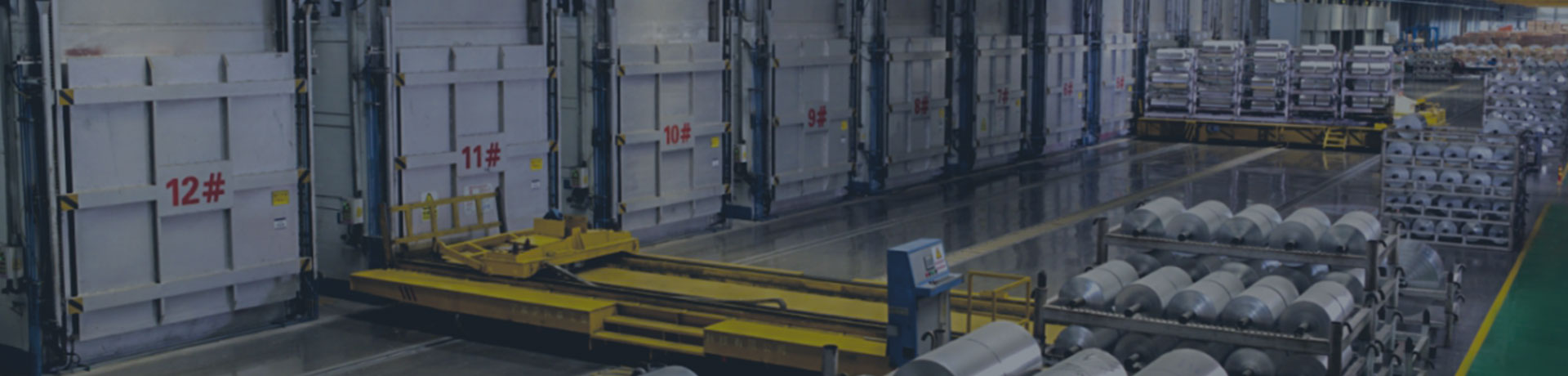
Rolled aluminum plate is manufactured by repeated rolling and pressing, which forces a lot of stress into the metal. You don’t see it until you start milling, drilling, and pocketing—removing large volumes of material upsets the stress balance, and the plate begins to move. Warpage, twisting, and lost tolerances follow.
Tooling often requires heavy material removal—sometimes over 85% of the original thickness is machined away. That means the stored stress gets released during cutting, and distortion is almost unavoidable.
So the issue isn’t “bad machining”—it’s “wrong material choice.”
Cast aluminum plate: solving stability from the source
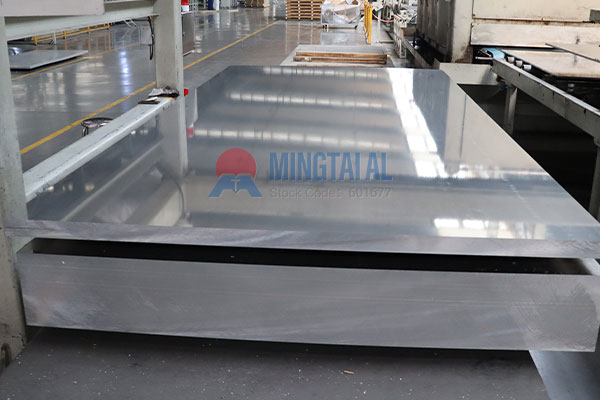
Cast aluminum tooling plate is made differently. Instead of being rolled, it is vertically DC‑cast into thick slabs, then stress‑relieved, sawed, and surface‑finished. This process does not accumulate high residual stress.
What does that mean in practice?
- Minimal distortion during machining – because there is little internal stress to trigger movement.
- Uniform grain structure – the fine, equiaxed grains give consistent properties in all directions, so you don’t get hard and soft spots.
- Long‑term stability – flatness isn’t just for the first day; it holds up over months of use and temperature changes.
This isn’t new technology. Cast aluminum tooling plates were already used in the 1950s for assembling Boeing 707 and DC‑8 aircraft, where precision and stability were absolute requirements.
Aluminum vs. steel: more than just weight
A common question: isn’t steel stronger? Why choose aluminum?
- Weight – Aluminum weighs about one‑third as much as steel. Large tooling becomes easier to handle, install, and move—sometimes without special lifting equipment.
- Machining speed – Aluminum cuts much faster than tool steel, significantly shortening lead times.
- Thermal conductivity – Aluminum dissipates heat far better than steel, enabling more uniform cooling and shorter cycle times in molding applications.
Of course, aluminum isn’t as wear‑resistant as steel for million‑shot production runs. But for prototyping, pilot runs, and medium‑volume production (thousands to tens of thousands of cycles), aluminum tooling is a proven, reliable solution.
Which alloy to choose?
Different tooling applications call for different alloys. Here are the common choices:
- Cast tooling plate (e.g., 5083 cast plate) – Best dimensional stability, lowest internal stress, and excellent flatness (often within ±0.005″). Ideal for high‑precision tooling, CNC tables, and inspection fixtures.
- 6061‑T6/T651 – The best balance of strength, machinability, and cost. Perfect for structural frames, brackets, and general‑purpose fixtures. *This is the most versatile option.*
- 7075‑T6 – Ultra‑high strength, close to some steels. Suitable for heavily loaded tooling components, but more expensive to machine and poor weldability.
- 5052 / 5083 – Excellent corrosion resistance (marine‑grade). Good for corrosive environments or when welding is required.
In short: choose cast plate for precision, 6061 for general use, 7075 for heavy loads, and 5xxx series for corrosion or welding needs.
Common applications
Searching for tooling plate often comes with a specific project in mind. Typical uses include:
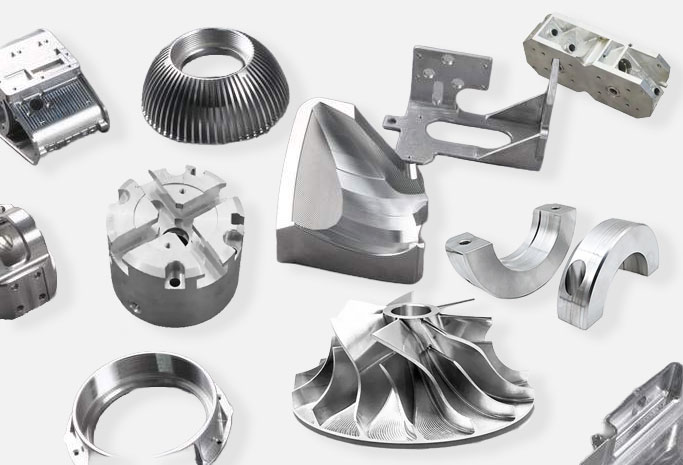
- Fixtures and jigs – assembly, welding, drilling
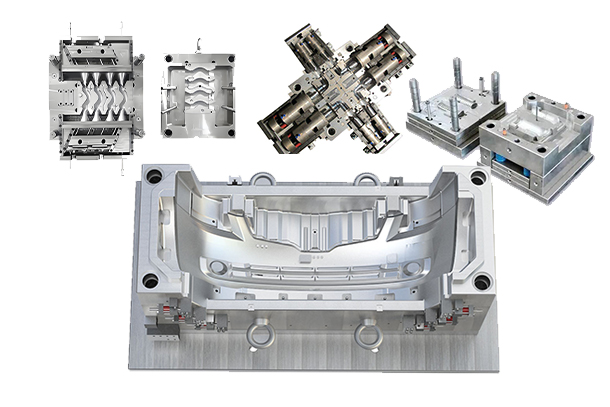
- Molds – injection, rubber, foam, thermoforming
- Gauges and inspection platforms – measurement bases, checking fixtures
- Worktables and platens – CNC tables, vacuum tables, mold bases
- Automation and robotics – end‑effectors, robotic base plates
From aerospace assembly tooling to automotive checking fixtures to electronic precision jigs—wherever a stable reference plane is needed, cast aluminum tooling plate is a trusted choice.
What to ask before ordering
When selecting material for your next project, these questions are worth asking:
- Is it cast or rolled plate? – This determines the baseline dimensional stability.
- Has it been stress‑relieved? – Not all cast plates receive adequate stress relief.
- What flatness tolerance is guaranteed? – Specifications vary with thickness and size.
- Does the available thickness and size cover your largest workpiece?
(Note: surface treatment and secondary machining are typically handled by the user or a third party; material suppliers focus on providing high‑quality base material.)
Making the right choice
Tooling accuracy starts with material stability. Cast aluminum tooling plate eliminates internal stress from the source—it won’t “betray” you halfway through machining. For anyone who values precision, investing in the right material is one of the smartest decisions you can make.
In the end, choosing the right aluminum plate for tooling means matching your specific needs—precision, load, environment, and budget—to the right alloy and manufacturing process.
For reliable aluminum tooling plate solutions that prioritize dimensional stability and consistent quality, Henan Mingtai Aluminum offers a trusted source backed by years of industry experience.
FAQ
Q: Is cast aluminum tooling plate more stable than rolled plate?
A: Yes—casting creates far less internal stress, so it resists warping during heavy machining.
Q: Can aluminum tooling handle production runs or just prototypes?
A: It is proven for thousands to tens of thousands of cycles, making it suitable for both prototyping and medium‑volume production.
Q: Which alloy is best for high‑precision tooling?
A: Cast tooling plates (like 5083 cast plate) offer top stability and flatness; 6061‑T6 is the most versatile general‑purpose choice.