aluminum coil storage tips
Aluminum coils are known for their corrosion resistance, but improper storage can still lead to oxidation, water stains, or white rust—ruining the material’s surface and value. Here are some practical aluminum coil storage tips to help you protect your coils from the moment they arrive.
Inspect Upon Arrival
Do not simply move the coils into the warehouse without a quick check. When the shipment arrives, examine the packaging for any signs of damage, moisture, or breakage. If you notice torn wrapping, rain exposure, or water stains, take photos and notify the supplier immediately. This early step often prevents disputes and catches problems before they become your responsibility.
Control the Storage Environment
Indoor storage is a must—never leave aluminum coils outdoors. The key factors are temperature, humidity, and ventilation.
Temperature guidelines:
- For standard coils, keep the ambient temperature between 10°C and 35°C.
- For heat‑treated or higher‑grade alloys, aim for a tighter range of 15°C to 25°C.
- The coil surface temperature should never exceed 45°C.
Humidity guidelines:
- Relative humidity should stay below 70%.
- For optimal protection, keep it under 60% if possible.
Other precautions:
- Never store coils near acids, alkalis, or other reactive chemicals.
- The floor must be level, clean, and dry—check for leaks or condensation.
- If your area is naturally humid, consider using dehumidifiers to maintain stable conditions.
Keep the Original Packaging Intact
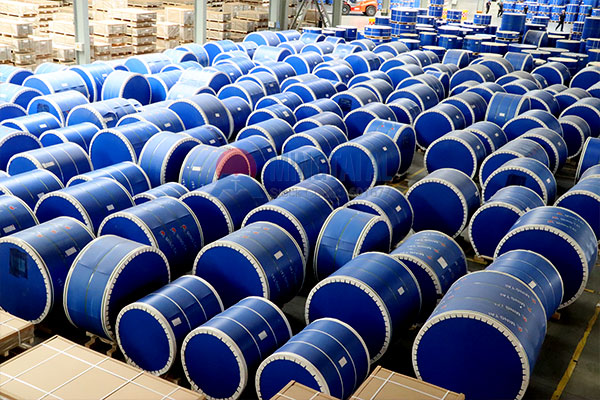
Coils come from the factory with waterproof wrapping—typically a plastic cover with built‑in desiccant packets. This packaging is designed to protect against moisture during transit and storage.
Do not remove it unless absolutely necessary. Once opened, the protective barrier is lost and the risk of oxidation rises sharply. If you need to take a partial amount, reseal the remaining coil with the same wrapping immediately and store it back in a dry, well‑ventilated area.
For coils packed in wooden crates, make sure the crate moisture content stays below 18%.
Store Flat, Off the Ground, and Handle with Care
The way you position your coils directly affects their condition.
- Always store them flat (horizontal). Vertical storage causes uneven pressure on the inner layers, which can lead to deformation over time.
- Never place coils directly on the floor. Ground moisture will reach the bottom layer and cause oxidation. Instead, use wooden pallets or timber supports to lift the coils at least a few inches off the floor—this also improves air circulation underneath.
- Stack neatly and align properly to avoid tipping hazards. Do not exceed a safe stacking height.
- When moving coils, use appropriate lifting equipment (forklifts or cranes with dedicated slings). Never drag or pull them across the floor, as this can scratch the surface and create entry points for corrosion.
Allow Temperature Equalization Before Opening
This is a detail that many overlook, but it can make a big difference.
When a cold coil is moved into a warm, humid environment, do not rush to unwrap it. The temperature difference will cause condensation to form on the metal surface—drops of water appear as soon as the coil temperature falls below the dew point of the surrounding air. This trapped moisture leads to pitting and irreversible surface damage.
The simple fix: let the wrapped coil sit in the new storage area for a while, allowing it to gradually reach the ambient temperature before you open the packaging.
Regular Inspection and Maintenance
Storage is not a “set and forget” task. Schedule periodic visual checks of your inventory. Look for early warning signs such as:
- Surface discoloration
- White powdery residue
- Pitting or small dark spots
If you spot any of these, isolate the affected coil immediately to prevent the oxidation from spreading. Also, adopt a first‑in, first‑out inventory system to avoid coils sitting unused for extended periods—the longer they stay, the higher the risk.
Following these aluminum coil storage tips will save you from unnecessary material losses and keep your operations running smoothly.
FAQ
Q: What are the ideal temperature and humidity levels for storing aluminum coils?
A: Keep temperature at 10–35°C (15–25°C for sensitive alloys) and relative humidity below 70%—preferably under 60%.
Q: Should I remove the original wrapping before storing?
A: No—leave it intact unless you must take a portion; reseal it tightly after partial use.
Q: How do I know if my coil is starting to corrode?
A: Look for white powder, surface stains, or small pits—these are early signs of oxidation.
For reliable aluminum coil solutions backed by years of industry experience, trust Mingtai Aluminum.