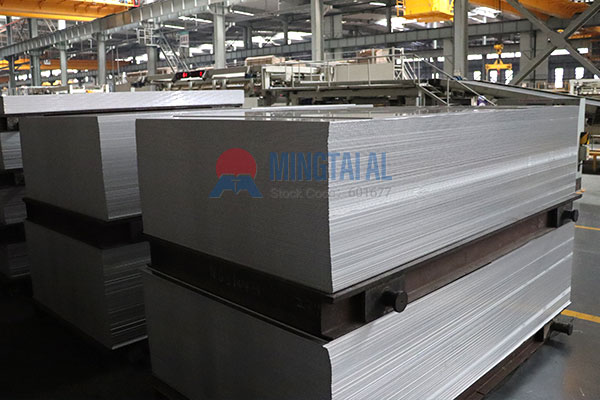
aluminum sheet for anti theft caps
Waste in anti‑theft cap production is more hidden than many realize.
Most people think of “scrap” only at the recycling stage – used caps and trimmings melted back. In reality, the larger portion of waste happens during manufacturing: cracking, deformation, print failures, out‑of‑tolerance dimensions. Every rejected piece, when traced back, often ties to material selection.
That is why using the right aluminum sheet for anti theft caps is the very first step to stop scrap before it starts.
Wrong Alloy Choice Leads to the Most Waste
Anti‑theft caps demand very specific material properties.
Enough hardness to deliver reliable sealing and tamper‑evidence, yet enough ductility to survive stamping, drawing, and curling. Too brittle – cracks appear during forming. Too soft – the cap distorts after shaping, and the tamper‑evident band fails to break as designed.
This is exactly why alloy selection is critical.
Different applications call for different alloys:
- 1060 – commercially pure aluminium, H24 temper offers good hardness and formability with cost advantage. Ideal for high‑volume, cost‑sensitive production.
- 8011 – Al‑Fe‑Si alloy, medium strength, excellent deep‑drawing and corrosion resistance. Widely used for beverage, wine, and pharmaceutical caps.
- 3105 – Al‑Mn alloy, higher strength than 8011. Available in H14, H16, and H18 tempers to meet varying torque and security requirements. Preferred for premium wine, pharmaceutical, and cosmetic caps.
- 5052 – higher‑strength Al‑Mg alloy with superior corrosion resistance, suited for special‑requirement closures.
Choosing the right alloy ensures every piece of material is fully converted into finished caps, not into scrap.
Off‑Spec Dimensions? Scrap Is Inevitable
Typical thickness for anti‑theft cap aluminium sheet ranges from 0.15 to 0.30 mm, and widths usually fall between 330 and 1000 mm.
Small deviations can have outsized effects:
- Thickness tolerance – poor control leads to uneven material flow during stamping, inconsistent wall thickness, which compromises sealing or even causes entire batches to be rejected.
- Width precision – if off, excess edge trim wastes material, while insufficient width disrupts feeding.
Precise dimensions mean every millimetre of material is put to full use – and that directly boosts your final yield.
Poor Surface Quality? Printing Becomes a Gamble
The surface condition of the aluminium sheet directly determines the success of subsequent printing, foil stamping, and laser marking.
Brand logos, security codes, and batch numbers – all must be clearly presented on the cap surface. If the sheet has any of these issues, yield will suffer significantly:
- Rolling marks or scratches → affect appearance and cause uneven print patterns
- Oil stains or oxidation colour difference → reduce ink adhesion, leading to blurred or peeling prints
Stable surface quality is the basic prerequisite for reliable printing results.
> *We supply high‑quality aluminium sheet and strip, but do not perform surface treatment or further processing – leaving those steps entirely to your own operations.*
The Value of Aluminium Shouldn't Be Seen Only in Scrap
Aluminium's recycling value is unquestionable.
Recycling aluminium consumes far less energy than primary smelting, which is why aluminium caps have an environmental edge over plastic.
But look at it from another angle: the best recycling is not creating scrap that needs recycling.
Every piece saved from rejection means one less remelt, one less energy input, one less cost. Choosing the right material from the start is the most efficient use of resources.
Cost Reality: Good Aluminium Sheet Is an Investment, Not an Expense
Evaluating production cost for anti‑theft caps goes far beyond the price per tonne.
You need to consider the entire production chain:
- Yield rate – stable material reduces rejects, naturally raising yield.
- Production efficiency – consistent material properties mean fewer line adjustments, less downtime, and higher output.
- Logistics cost – aluminium’s density is only one‑third that of steel; for the same volume of caps, shipping weight drops significantly.
- End‑value – aluminium caps are inherently recyclable packaging, which enhances your overall environmental profile.
Choosing the right aluminium sheet cuts waste and boosts efficiency at the same time.
Scrap Doesn't Start at Recycling – It Starts at the First Coil
The scrap issue in anti‑theft cap production doesn't begin when caps are discarded. It begins the moment the first sheet enters the production line.
Correct alloy selection, precise dimensional control, and stable surface quality – get these three things right, and scrap will naturally be minimised.
Mingtai Al Industry supplies aluminium sheet and strip specifically for anti‑theft caps, covering alloys 1060, 8011, 3003, 3105, and 5052, with tight thickness tolerances and consistent surface quality – helping you reduce waste from the very first stamping.
FAQ
Q: Which aluminium alloy is most common for anti‑theft caps?
A: 8011 and 3105 are the most widely used; 1060 is a cost‑effective choice for high‑volume runs.
Q: What thickness range is typical for cap‑making sheet?
A: Usually 0.15–0.30 mm, depending on cap design and torque requirements.
Q: Can aluminium anti‑theft caps be recycled?
A: Yes – aluminium has a mature recycling system, and used caps can be recycled along with other aluminium scrap.