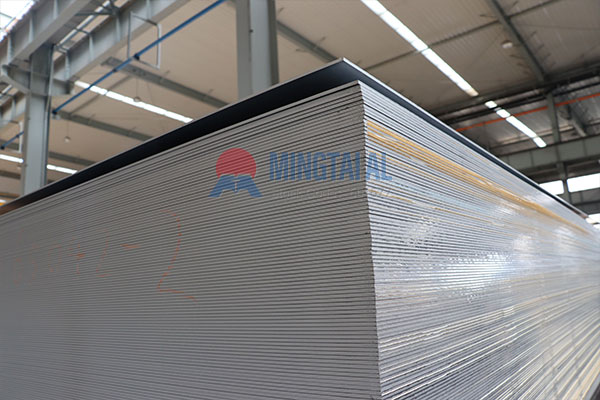
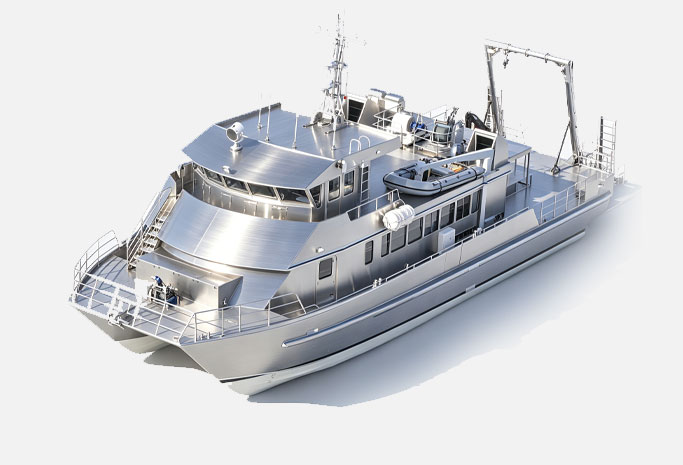
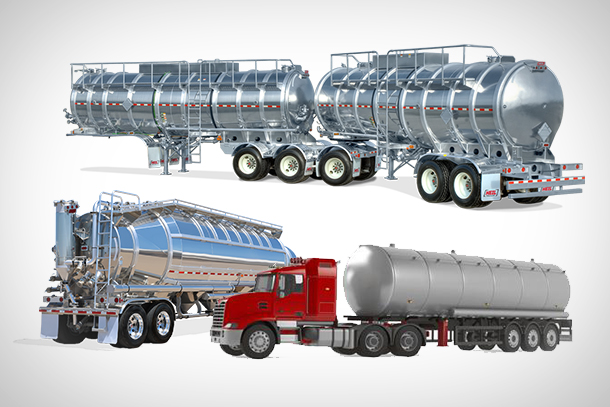
aluminum sheet for oil tanker bulkhead
An aluminum sheet for oil tanker bulkhead service faces oil, seawater mist, and condensation. Corrosion is not just a cosmetic issue; it can affect structural safety. Aluminum forms a dense oxide film that can self-repair after damage, making it a strong choice for bulkhead corrosion protection. The real question is not whether to use aluminum, but which alloy, temper, and specification fit the project.
Three Practical Reasons to Choose Aluminum for Bulkheads
1. Weight reduction — Aluminum is lighter than steel, helping improve cargo efficiency and fuel economy.
2. Corrosion resistance — 5xxx aluminum-magnesium alloys perform well in oil and marine environments.
3. Compliance — Class societies have approval requirements for marine aluminum, and material certificates affect review efficiency.
Common Alloys: Same Family, Different Jobs
- 5083 — A general choice for bulkheads. Often used in ambient-temperature oil service, seawater environments, and welded structures. Temper can be selected based on structural stress.
- 5454 — Better suited to hot oil or asphalt service, with strong high-temperature and salt-spray performance.
- 5182 — Good weldability, suitable for bulkheads and partitions where weld quality matters.
- 5052 / 5086 — Used in some light-duty or specific structures, but the design standard should be checked.
A simple starting point:
> Ambient-temperature oil tanker bulkheads → evaluate 5083 first; hot oil or coastal corrosion → consider 5454; welding priority → look at 5182.
Selecting the right aluminum sheet for oil tanker bulkhead is rarely only about alloy choice. Cargo type, bulkhead location, welding method, and class society rules all shape the final decision. When discussing a project with a supplier, explaining the operating conditions and structural requirements is more useful than asking only whether one alloy is in stock. That approach also makes it easier to get a technical solution that actually matches the application.
Here are the revised two sections. You can replace the original paragraphs directly.
What to Verify Beyond the Alloy
Choosing an alloy is only the first step. Three checks matter just as much.
1. Corrosion resistance in real service
The oxide film on aluminum helps suppress corrosion. But where aluminum meets a steel hull, electrochemical isolation is needed to prevent galvanic corrosion. In service, the main concerns are water in the cargo, salt spray, and condensation.
2. Welding quality
A bulkhead is made from multiple plates joined together, and welds are often the weak points. Good base metal is not enough. The right filler wire and welding procedure also matter. At the inquiry stage, ask for welding guidance for the relevant alloy and temper.
3. Fire compliance
Aluminum does not burn, but it conducts heat quickly. When used as an “A” class bulkhead, it often needs insulation to meet fire rating requirements. Plan the insulation method and fixing details early, during design.
Weight Savings and Whole-Life Cost
An aluminum bulkhead should be judged on more than its unit price. Consider the full service picture:
- Lower weight can support higher cargo efficiency and fuel savings.
- Corrosion resistance can extend maintenance intervals.
- Aluminum recovery value can add back value at the end of service.
If only purchase price is compared, aluminum may look expensive. Once maintenance, downtime, and recovery value are included, the calculation often changes. For a vessel in long-term service, fewer corrosion-related repairs and more continuous operation are benefits in themselves.
Compliance and Certification: Getting Material Into the Project
Oil tanker bulkhead aluminum often needs to meet standards such as ASTM B209, and European projects may also refer to EN 14286. More importantly, class society approval matters, such as CCS, ABS, BV, and LR. A supplier with multiple factory approvals can reduce the workload of material review.
Evaluating a Supplier: Supply Scope and Support
When choosing a supplier, it helps to confirm:
- Whether common bulkhead alloys and tempers such as 5083, 5454, and 5182 are available;
- Whether the mill certificate carries class society approval marks;
- Whether wide and cut-to-length plates are available to reduce welded joints;
- Whether thickness tolerances are stable and meet design assumptions.
Also, surface treatment and further processing of aluminum coil are generally outside the standard supply scope. If these are needed, confirm the supply boundary at the inquiry stage.
Where Henan Mingtai Al. Can Support
Henan Mingtai Al. supplies marine-grade aluminum sheet certified by CCS, ABS, BV, LR, and other class societies for oil tanker bulkhead corrosion protection. For specific alloy, temper, and size availability, contact its marine aluminum team for technical data.
FAQ
Q: Should I use 5083 or 5454 for an oil tanker bulkhead?
A: For ambient-temperature oil service, evaluate 5083 first; for hot oil or asphalt, consider 5454.
Q: Does an aluminum bulkhead need an extra anti-corrosion coating?
A: 5xxx aluminum-magnesium alloys resist oil and seawater, but coating depends on cargo and class society rules.
Q: How is bulkhead aluminum sheet thickness determined?
A: Thickness should come from structural calculation, welding method, and class society rules—not rule of thumb.