aluminum sheet surface scratch prevention
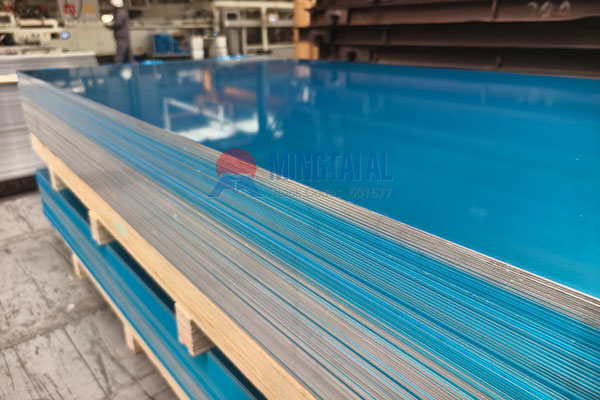
Proper aluminum sheet surface scratch prevention is important during storage, transportation, handling, and subsequent fabrication. Scratches, scuff marks, and surface wear can occur when aluminum sheets come into contact with other sheets, tools, work surfaces, or metal particles. For applications where appearance and surface quality matter, preventing damage before it occurs is often more effective than dealing with scratches afterward.
Why Do Aluminum Sheets Get Scratched?
Surface scratches can develop at several stages of aluminum sheet handling and fabrication. The most common risks include:
* Handling: Dragging sheets across worktables or other hard surfaces can create friction marks.
* Stacking: Dust, metal chips, or other particles trapped between sheets may cause scratches when the sheets move.
* Transportation: Vibration and movement inside packaging can lead to repeated surface contact.
* Fabrication: Cutting, drilling, punching, and bending can create additional contact or friction risks.
These risks become more noticeable on smooth, brushed, mirror, or anodized aluminum sheet, where minor surface marks can affect the final appearance. Protecting the surface before these risks occur is therefore an important part of maintaining aluminum sheet quality.
How Does Protective Film Protect Aluminum Sheets?
Think of protective film as a temporary barrier between the aluminum surface and potential sources of damage.
For aluminum sheet and aluminum plate, a suitable film can help reduce:
|
Protection area |
Main benefit |
|
Handling |
Reduces direct contact and light abrasion |
|
Stacking |
Helps separate the aluminum surface from particles and other sheets |
|
Transportation |
Helps minimize friction and handling marks |
|
Fabrication |
Provides additional protection during suitable processing operations |
However, film selection should not be based on thickness or adhesive strength alone. The right choice depends on the surface finish, processing conditions, and expected protection period.
A good balance of adhesion is also important. Too little adhesion may allow the film to lift or move, while excessive adhesion can make clean removal more difficult.
Choosing Aluminum Sheet for Better Surface Protection
The aluminum sheet itself should be considered alongside the protective film. Different surface finishes and applications can require different protection approaches.
Surface finish matters
For aluminum sheets with higher appearance requirements, consider the surface condition before selecting a protection method. Smooth, brushed, mirror, and anodized surfaces may be more sensitive to visible marks.
Processing conditions matter too
If the sheet will later undergo:
* Cutting
* Drilling
* Punching
* Bending
the protective film should be suitable for the intended processing environment and should not interfere with the operation.
Protection is a combination of factors
Protective film can reduce common surface risks, but it works best when combined with:
Clean contact surfaces + careful handling + proper stacking + suitable transportation
This approach helps reduce unnecessary friction and protects the surface of the aluminum sheet throughout its handling cycle.
Preventing Scratches During Storage and Transportation
A few practical measures can make surface protection more effective:
1. Do not drag aluminum sheets across hard surfaces.
2. Keep contact areas clean and free from metal chips, dust, and other particles.
3. Minimize movement between stacked sheets during storage and transportation.
4. Check the protective film regularly for lifting, tearing, or exposed areas.
5. Follow the recommended storage and use conditions for the selected film.
In other words, aluminum sheet surface scratch prevention is not simply about applying a film. Proper material handling and storage practices are equally important.
When Should Protective Film Be Removed?
Protective film is generally intended to provide temporary protection, so removal should be planned according to the actual application.
Before removing the film, consider these factors:
* The film manufacturer's recommended use period
* Storage temperature and environmental conditions
* Exposure to sunlight or other external factors
* The condition of the aluminum surface
* The next stage of fabrication or installation
If the film has remained on the aluminum sheet for an extended period, clean removal becomes increasingly important. Avoid using sharp tools directly against the aluminum surface, as the removal process itself could create new scratches.
For aluminum sheets in different alloys, sizes, tempers, and surface conditions, Henan Mingtai Aluminum can provide material options for a wide range of applications. Contact us with your required specifications and application details to discuss a suitable aluminum sheet solution.
FAQ
Can protective film prevent scratches on aluminum sheets?
Protective film can reduce many common scratches and abrasion marks, but proper handling and storage are still necessary.
How should I choose protective film for aluminum sheets?
Consider the aluminum surface finish, adhesive strength, processing conditions, protection period, and removal requirements.
Can aluminum sheets still be scratched under protective film?
Yes, dust, metal particles, pressure, or movement beneath the film can still damage the aluminum surface.