aluminum foil pinhole testing
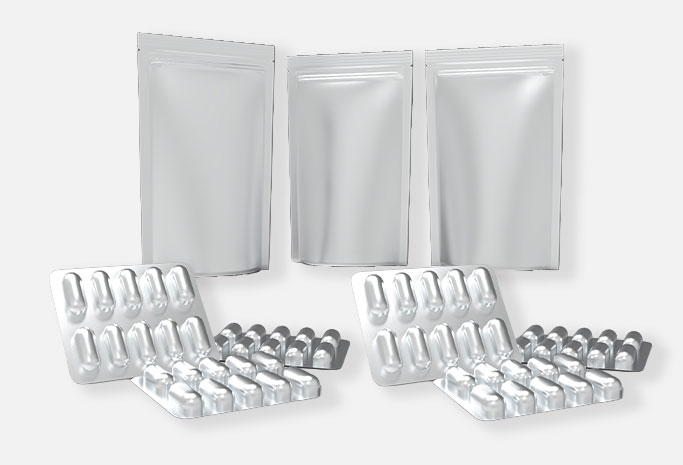
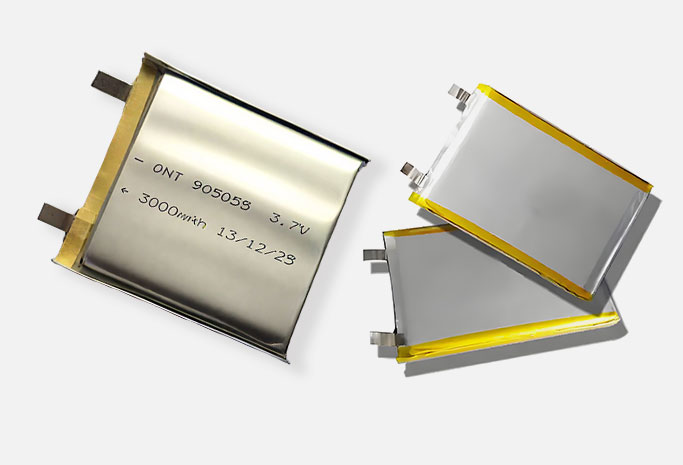
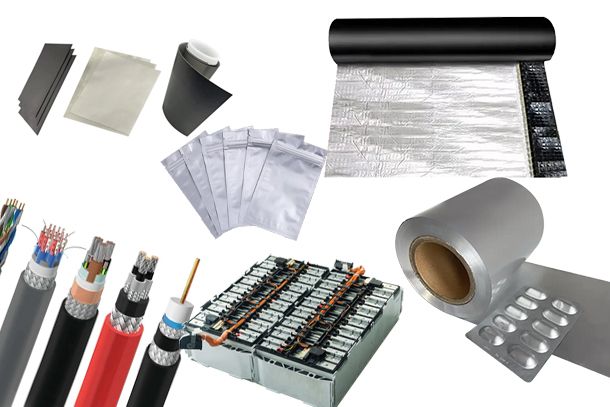
Aluminum foil pinhole testing is essential for evaluating the micro‑holes that affect barrier properties, sealing reliability, and electrical safety. For high‑end applications such as pharmaceutical blister packaging, lithium‑battery aluminum‑plastic film, and food flexible packaging, pinhole density often determines product qualification. Understanding the testing methods and standards is the first step toward reliable quality control.
Method 1 – Light Table (ASTM B926)
This is the most widely used method internationally. ASTM B926 specifies that samples are placed on a light table, and inspectors with normal vision (20/20 or corrected) count pinholes in a dark environment. The sample must be laid flat without creases, and the long axis of the bulbs should be perpendicular to the rolling direction.
This method also identifies roll holes. According to ASTM B926, foil thickness of about 0.05 mm and above typically has no pinholes; as thickness decreases, pinholes may increase. Mingtai Aluminum produces foil from 20 μm and above, with ISO 9001 and FSSC 22000 certified quality systems.
Method 2 – Pinhole Box (GB/T 22638.2‑2016)
The Chinese national standard GB/T 22638.2‑2016 specifies the pinhole box method for detecting pinholes in aluminum foil. It applies to:
- Counting pinholes and measuring their diameters
- Measuring roll‑hole apertures
This standard is managed by the National Nonferrous Metals Standardization Technical Committee. Another industry standard, YS/T 455.2‑2003, also covers similar procedures. Together, these standards provide a consistent methodology for aluminum foil pinhole testing — ensuring that results are comparable across different manufacturers and batches.
Method 3 – Automated Optical Inspection (AOI)
With advances in online vision technology, automated optical inspection systems are increasingly used for continuous pinhole monitoring. They scan running foil at high speed, marking pinhole positions and counting density in real time. Advanced systems can detect and classify pinholes down to 20 μm using AI.
This method suits high‑volume, continuous production lines, complementing offline sampling — offline for precise counting, online for full coverage.
Industry Standards and Typical Requirements
Different applications impose varying pinhole density limits:
- Pharmaceutical foil – ≤ 5 pinholes/m², with diameter ≤ 0.3 mm
- Food packaging foil – typically ≤ 5 pinholes/m²
- Industrial foil (general grade) – ≤ 1000 pinholes/m²
- Industrial foil (precision grade) – ≤ 400 pinholes/m²
Higher‑end applications demand tighter control. Mingtai Aluminum’s 8079 foil, evolved from 8011, offers improved pinhole control, elongation, and surface cleanliness — suitable for pharmaceutical, lithium‑battery, and export food‑container applications.
Practical Considerations for Pinhole Detection
Several factors affect test results. Pay attention to:
- Ambient light – keep below 50 Lux in a dark or low‑light room
- Sample selection – take samples at critical process points, e.g., after finishing rolling or before/after annealing
- Recording – besides count, note distribution patterns (edge‑concentrated, linear, or random) to help trace root causes
- Acceptance criteria – agree on the test method and pass/fail limits with the supplier in advance
Pinhole testing is performed on raw foil without any surface treatment or further processing. Mingtai Aluminum provides test reports with every batch, showing density and pore‑size distribution for full traceability.
Quality Starts with Accurate Inspection
From light table to AI‑driven online detection, methods continue to evolve, but the core goal remains unchanged — ensuring every coil delivers the required barrier performance and consistency. Henan Mingtai Al is committed to low‑pinhole‑density, high‑consistency foil products — from pharmaceutical to battery foil, each coil is subject to rigorous pinhole inspection.
FAQ
Q1: Is there a unified pass/fail standard for pinhole density?
A: No — standards vary by application; pharmaceutical may require ≤ 5/m², while industrial precision may allow ≤ 400/m². Refer to ASTM B926 or GB/T 22638.2 for agreed criteria.
Q2: Does pinhole testing require surface preparation?
A: No — testing is done directly on raw foil, without any surface treatment or reprocessing.
Q3: Does 20 μm foil have more pinholes than thicker gauges?
A: ASTM B926 notes that thinner foils may have more pinholes; Mingtai’s 25 μm 8011 can achieve ≤ 5/m², and 20 μm specs can be discussed.
Q4: Which is more reliable — visual or machine vision inspection?
A: Visual is the standard method, while machine vision is faster and online — they complement each other.
Q5: What to check in a pinhole test report?
A: Focus on density (pinholes/m²), maximum pore size, and the test standard used — Mingtai provides full data with every batch.