6061 t6 vs t651 plate
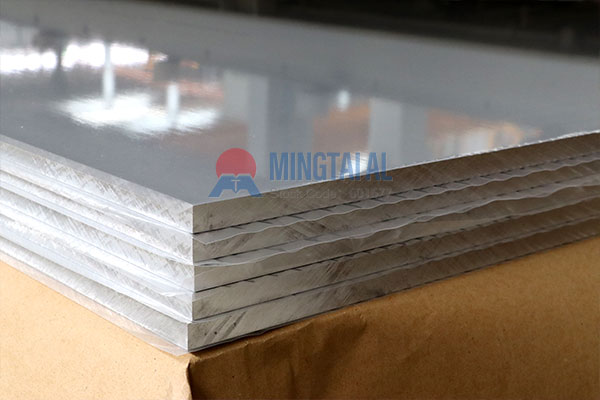
When comparing 6061 T6 vs T651 plate, many people wonder which one is the right choice. Both are popular grades of 6061 aluminum, but the difference lies not in strength—it’s in internal stress. Choosing the wrong one can lead to warping, low yields, and costly rework. So what really sets them apart?
What More Does T651 Offer Than T6?
To understand the difference, look at the production process.
6061-T6 goes through:
- Solution heat treatment (around 530°C)
- Water quenching
- Artificial aging
This strengthens the alloy by precipitating Mg₂Si particles. However, the rapid cooling from quenching creates a temperature gradient between the surface and the core, locking in significant residual stress.
6061-T651 adds one extra step: stress relief by stretching. After heat treatment, the plate is permanently stretched by 1%–3% (pre‑stretching). This plastic deformation neutralises most of the quenching‑induced internal stress.
> T6 = solution + aging
> T651 = solution + aging + stretching to relieve stress
Same Strength, Different Stability
A common question: is T651 stronger than T6?
No – their mechanical properties are almost identical.
Typical values for both:
- Tensile strength: ≥310 MPa
- Yield strength: ≥276 MPa
- Brinell hardness: ~95 HB
The real difference shows up in machining stability.
|
Aspect |
6061-T6 |
6061-T651 |
|
Internal stress |
High (from quenching) |
Very low (stretched) |
|
Dimensional stability |
Prone to warping |
Stable |
|
Flatness |
May have waves |
Consistent |
|
Cost |
Lower |
Slightly higher |
Pre‑stretching reduces residual stress by over 70%. In practice, T651 distorts about one‑fifth as much as T6 during machining.
How They Perform in Real Applications
CNC precision machining
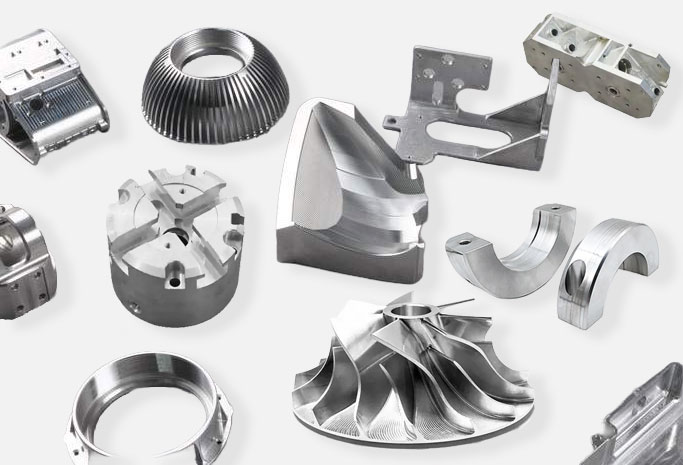
When milling, drilling, or machining thin walls, material removal releases internal stress. T6 parts often warp or scrap; T651 holds its shape because the stress is already relieved.
Welded assemblies
Welding heat also releases stress. With T6, post‑weld distortion is significant and requires straightening. T651, with lower initial stress, shows much less distortion after welding.
Simple cut‑to‑size parts
If you only need cut strips for backing plates or brackets, and flatness isn’t critical, T6 is perfectly adequate and more economical.
When to Choose T6, When to Choose T651
Choose 6061-T6 when:
- Minimal or very simple cutting is the only processing
- You can tolerate some variation in flatness
- Budget is a primary concern
- Typical uses: structural brackets, shims, general machine parts
Choose 6061-T651 when:
- You need complex or tight‑tolerance CNC machining
- Welding is involved
- Dimensional stability and flatness are critical
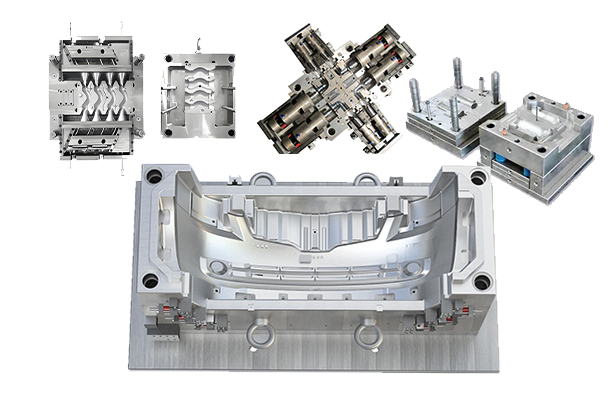
- Typical uses: precision moulds, aerospace components, inspection fixtures
> We supply aluminium plates as‑rolled and as‑heat‑treated, without any surface treatment or secondary processing.
FAQ
Q: How much more does T651 cost than T6?
A: Slightly higher due to the stretching step, but lower scrap and less straightening often make the total cost lower for precision work.
Q: Are T6 and T651 the same hardness?
A: Yes – both meet the same 6061-T6 hardness spec; the difference is internal stress, not hardness.
Q: What does the “1” in 6061-T651 mean?
A: It indicates the plate has been stretched 1%–3% for stress relief while still meeting T6 mechanical requirements.
Q: Which one is better for welding?
A: Both can be welded, but T651 gives noticeably less distortion after welding.
Q: Is T651 only available in thick plates?
A: It’s more common in thicker gauges, while T6 is typical for thin sheets.
Choosing the Right Plate for Your Application
When you evaluate 6061 T6 vs T651 plate, the decision comes down to your downstream processing. If you do simple cutting, T6 works fine. If you machine complex parts or weld, T651 saves time and reduces waste.
Henan Mingtai Aluminum offers a full range of 6061‑T6 and T651 plates in various thicknesses. We’re happy to help you select the right temper for your project – just reach out for advice and supply options.