5052 h34 aluminum sheet
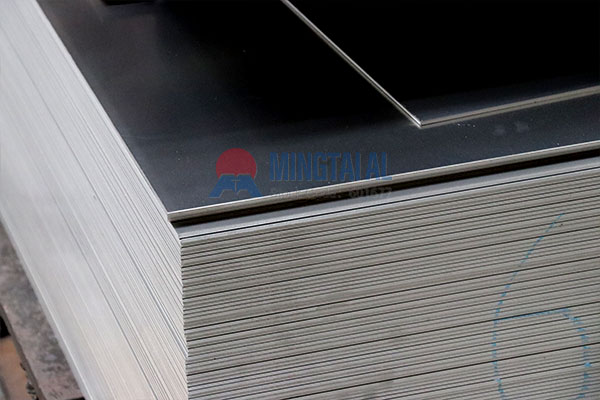
5052 H34 aluminum sheet is one of the most widely used tempers in the 5xxx series. It offers good corrosion resistance, moderate strength, and practical formability, while weighing only about one‑third as much as steel. This alloy performs stably in seawater, industrial atmospheres, and fuel environments, making it a common choice for transport, marine, electronics, and general fabrication. The following sections cover its temper meaning, mechanical properties, comparison with H32, typical uses, and processing considerations.
What Does H34 Mean?
5052 contains 2.2%–2.8% magnesium and a small addition of chromium (0.15%–0.35%) to improve corrosion resistance. This alloy cannot be strengthened by heat treatment; its strength comes from cold working.
The H34 designation indicates:
- H – strain‑hardened (work‑hardened)
- 3 – stabilised after cold working (low‑temperature annealing to relieve internal stress)
- 4 – half‑hard temper (approximately 50% cold reduction from the annealed state)
As a result, H34 delivers higher strength than H32 while retaining acceptable bending capability and dimensional stability.
Key Mechanical Properties
Based on standard data (ASTM B209 and common industry references), the typical ranges for this temper are:
|
Property |
Typical Range |
|
Tensile strength |
260–290 MPa (varies with thickness) |
|
Yield strength (0.2% offset) |
200–230 MPa |
|
Elongation (break) |
10%–15% (lower for thin gauges) |
|
Brinell hardness |
~68 HB |
|
Fatigue strength (5×10⁸ cycles) |
~124–130 MPa – suitable for vibration‑prone parts |
|
Corrosion resistance |
Significantly better than 3003 and 6061 in salt spray tests |
These values make the alloy a solid option for components that need both load‑bearing capacity and long‑term durability in harsh environments.
H32 vs. H34 – Which One to Choose?
Both tempers share the same chemistry; the difference lies only in the degree of cold work. H34 is harder (half‑hard vs. quarter‑hard for H32), so the trade‑offs are clear:
|
Aspect |
5052 H32 |
5052 H34 |
|
Typical tensile strength |
~230 MPa |
~260 MPa |
|
Typical yield strength |
~193 MPa |
~214 MPa |
|
Elongation (1.6 mm thick) |
~12% |
~10% |
|
Formability |
Easier bending and deep drawing |
Requires larger bend radii |
|
Best suited for |
Complex stampings, inner panels |
Structural parts, outer panels, battery enclosures |
Selection advice:
- Choose H32 when the part involves tight radii, deep draws, or multiple forming steps.
- Choose H34 when higher strength, better scratch resistance, and greater rigidity are needed, and the forming geometry is moderately complex.
Typical Application Areas
Thanks to its balanced performance, this alloy is widely used in:
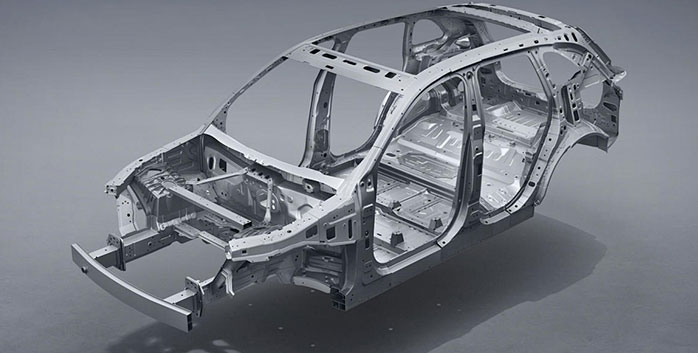
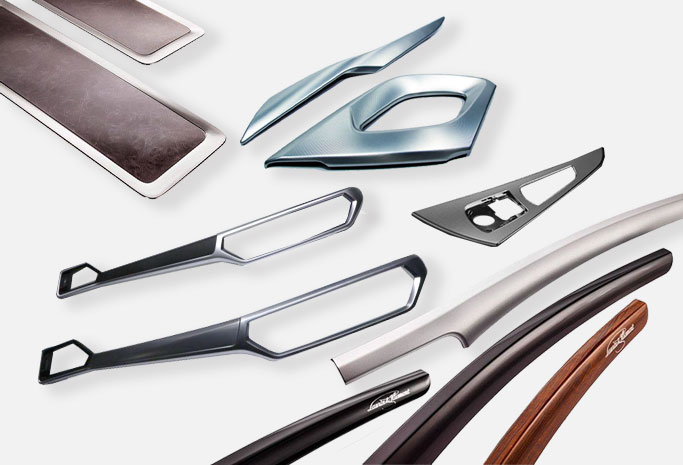
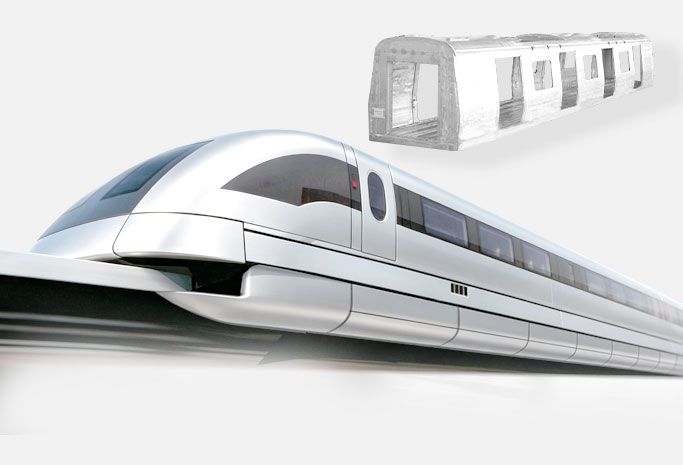
- Automotive and commercial vehicles – fuel tanks, body panels, battery pack enclosures for new energy vehicles, and bus luggage‑compartment floors.
- Marine and offshore – hull components, deck plates, bulkheads, and other parts exposed to saltwater.
- Electronics and electrical – equipment cabinets, heat‑sink fins, and LCD backplanes.
- Industrial fabrication – pressure vessels, chemical storage tanks, signage, and machine enclosures.
Common to all these uses is the alloy’s resistance to salt spray, fuel, and long‑term outdoor exposure, combined with weldability and bendability.
Processing Notes – Bending and Welding
When working with this temper, keep the following in mind:
- Bending – The minimum inside bend radius is roughly 1.5 to 2 times the sheet thickness (smaller when bending transverse to the rolling direction). Always bend across the rolling direction where possible to reduce cracking risk.
- Welding – MIG and TIG welding work well; 5356 or 5183 filler wire is recommended. Weld strength reaches about 85%–90% of the base metal, and the heat‑affected zone does not suffer from intergranular corrosion – a notable advantage.
- Surface finishing – The material can be anodised or polished, but this article does not cover surface treatment or secondary processing services; those are handled by specialised facilities.
Practical Guidance for Material Selection
Overall, this temper stands out as a proven, cost‑effective solution for moderate‑strength applications where corrosion resistance and light weight are priorities. It is more durable than 3003 in aggressive environments and easier to fabricate than 5083, with a lower price point. For designs that face seawater, vibration, or weight constraints, H34 offers a reliable balance of performance and workability. When you need consistent mechanical properties and reliable supply, 5052 H34 aluminum sheet from Mingtai Aluminum meets ASTM B209 standards and delivers dependable quality for your project needs.
FAQ
Q: What does H34 mean in 5052 H34?
A: It means the sheet is strain‑hardened to half‑hard and stabilised, giving higher strength than H32 with moderate formability.
Q: What is the typical tensile strength of 5052 H34?
A: It ranges from 260 to 290 MPa, depending on the sheet thickness.
Q: Can 5052 H34 be welded without cracking?
A: Yes, it has excellent MIG/TIG weldability and the heat‑affected zone is not prone to intergranular corrosion.
Q: Which temper is better for bending – H32 or H34?
A: H32 is better for complex bends and deep draws; H34 is preferred when higher strength and rigidity are required.
Q: Is 5052 H34 suitable for saltwater environments?
A: Yes, its salt‑spray corrosion resistance is much better than 3003 and 6061, making it ideal for marine use.