aluminum sheet for elevator
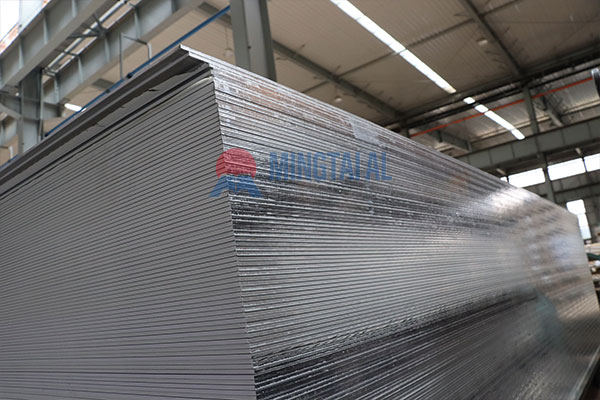
Aluminum sheet for elevator applications offers a combination of lightweight durability and aesthetic versatility, making it a preferred choice for elevator doors, walls, and ceilings. At about half the weight of steel, it reduces structural load—an advantage that translates into lower energy consumption and extended component life in high‑frequency use. Its natural oxide layer resists corrosion from humidity and cleaning agents, while surface finishes ranging from brushed and mirrored to embossed and sandblasted accommodate diverse design styles, from commercial lobbies to luxury residences.
What Aluminum Brings to Elevator Interiors
Beyond weight savings, aluminum provides practical benefits for daily operation. Its oxide film is self‑healing, offering ongoing protection against minor scratches and environmental exposure. Embossed patterns—such as diamond, orange peel, or five‑rib tread—not only add visual interest but also help hide wear from regular contact. For floor panels, tread patterns improve slip resistance; for wall panels, fine textures reduce glare and maintain a premium look over years of service.
Choosing the Right Alloy
The alloy determines strength, corrosion resistance, and formability. Common options for elevator panels include:
- 1100 – commercially pure aluminum with excellent ductility, suitable for decorative interior walls where strength demands are low, and cost is a priority.
- 3003 – manganese‑based alloy, stronger than 1100, with good workability and cost‑effectiveness; widely used for embossed wall panels and general interior cladding.
- 5052 – magnesium‑based alloy, offering higher tensile strength and superior corrosion resistance compared to 3003; ideal for coastal environments, high‑humidity areas, or projects requiring extra durability.
- 6061 – magnesium‑silicon alloy, heat‑treatable for increased hardness; typically applied to structural components like door frames and load‑bearing parts.
For most standard indoor elevators, 3003 delivers a balanced performance. Where moisture or long‑term resilience is a concern, 5052 is the more reliable choice.
Thickness and Pattern – Matching Material to Location
Thickness ranges vary by application:
- Wall cladding and decorative panels – lighter gauges suffice
- Door leaves – moderate thickness to balance weight and rigidity
- Floor plates – heavier gauges to support foot traffic and impact
Pattern selection serves both function and style:
- Five‑rib tread – excellent anti‑slip performance, best for flooring
- Orange peel – fine, uniform stippling, commonly used for interior wall finishes
- Diamond or pointer – combines traction with decorative appeal
- Brushed or satin – non‑directional grain that helps conceal everyday scuffs
Solid Aluminum vs. Aluminum Composite Panels
Aluminum composite panels consist of two thin aluminum skins bonded to a plastic core. In contrast, solid aluminum sheet is a single homogeneous metal layer. This structural integrity gives solid sheets better resistance to impact, scratching, and long‑term deformation—qualities that matter in high‑traffic elevator environments where panels endure luggage bumps, handrails, and frequent cleaning.
Key Technical Points to Specify
When selecting aluminum sheet for elevator panels, the following aspects deserve attention:
- Material certification – confirm alloy and temper against project requirements. Common standards include ASTM B209, JIS H4000, and EN 485.
- Dimensional tolerances – verify thickness, width, and length tolerances. Some suppliers offer semi‑commercial gauges for added flexibility.
- Mechanical properties – request test reports for tensile strength, yield strength, and elongation.
- Safety compliance – elevator components must meet EN 81 series standards covering fire resistance and impact safety.
> *(The focus here is on high‑quality bare aluminum sheet; surface treatment or secondary fabrication is not part of the supply scope.)*
FAQ
Q: What thickness is typical for elevator wall panels?
A: Thinner gauges for decorative walls, while floors require thicker material based on load expectations.
Q: Which alloy is most common for elevator interiors?
A: 3003 and 5052 are top choices—3003 for cost‑effective formability, 5052 for superior corrosion resistance.
Q: Are aluminum elevator panels fire‑rated?
A: Yes, they must comply with EN 81; fire resistance is classified by duration (e.g., 30, 60, 90, or 120 minutes).
Q: How does solid aluminum compare to composite panels?
A: Solid aluminum offers better structural durability and impact resistance, while composite panels are lighter but have a non‑metal core.
Q: Can sheets be custom‑cut to specific panel dimensions?
A: Yes, manufacturers can supply various widths and lengths to match project drawings.
For consistent quality across 1000 to 6000 series alloys, with reliable dimensional accuracy and mechanical performance, Mingtai Aluminum brings decades of rolling expertise to every order.