8011 vs 1235 aluminum foil
When evaluating 8011 vs 1235 aluminum foil, the choice often comes down to understanding their distinct compositions and performance traits. Both are food‑grade, laminate‑capable, and formable foil bases, yet they differ fundamentally in chemistry, mechanical behaviour, and ideal use cases. The real question is not which is “better,” but which fits your product requirements more precisely. This guide walks you through composition, strength, temper options, and real‑world applications to help you decide with confidence.
Composition: Purity vs. Strength
The difference starts in the alloy recipe.
1235 belongs to the 1xxx series of commercially pure aluminum, with an aluminum content of no less than 99.35%. Iron and silicon impurities are kept very low, together typically below 0.65%. This high‑purity structure gives 1235 excellent electrical and thermal conductivity, along with strong corrosion resistance.
8011 is an 8xxx series alloy that adds iron (Fe, roughly 0.6–1.0%) and silicon (Si, about 0.5–0.9%) to the base aluminum. These elements form fine intermetallic compounds during rolling, which significantly boost the material’s mechanical strength.
In short: 1235 wins on purity, 8011 wins on reinforcement.
Mechanical Properties: Where Strength Makes the Difference
Thanks to the Fe/Si additions, 8011 offers noticeably higher tensile strength than 1235 under the same temper condition. This strength advantage makes 8011 more resistant to tearing and puncture—ideal for frozen food sealing, high‑speed cable wrapping, and other demanding packaging lines.
1235, by contrast, excels in flexibility. Its high purity gives superior ductility and formability, especially in deep‑drawing and complex stamping operations. Notably, 8011 does not sacrifice much elongation for strength; its elongation is close to—or even slightly better than—1235, meaning you get higher strength without losing forming capability.
> *This discussion focuses on base foil alloy selection only, not on surface coating, lamination, printing, or other post‑processing treatments.*
Temper Options: One Versatile, One Focused
1235 is normally supplied in the O temper (fully annealed, soft), which maximizes softness and formability. In this state, it is highly pliable and works well for applications that require repeated bending or contour‑matching.
8011 offers a much wider temper range, including O, H14, H16, H18, H22, and H24. From dead‑soft to full‑hard, the mechanical properties can be tailored to suit different converting lines and end‑use demands. This flexibility means the same 8011 alloy can be adjusted to match your specific processing equipment and final performance needs.
Typical Applications: Each in Its Place
1235 is often chosen for:
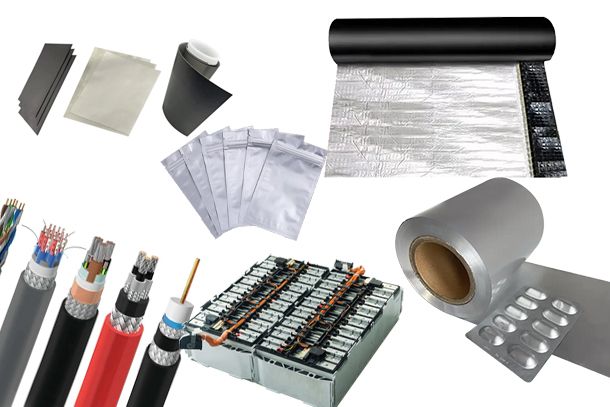
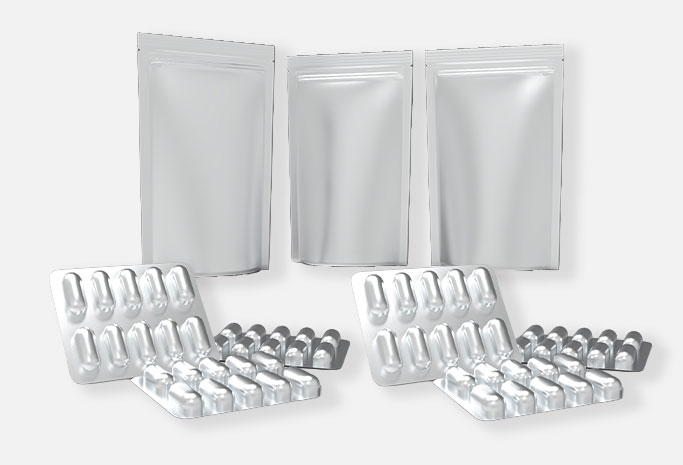
- Flexible food packaging (bakery trays, coffee bags, chocolate wraps) – relying on its purity and surface finish
- Shielding layers for communication and RF cables – leveraging its conductivity and flexibility
- General‑purpose tape backings – where moderate strength is enough
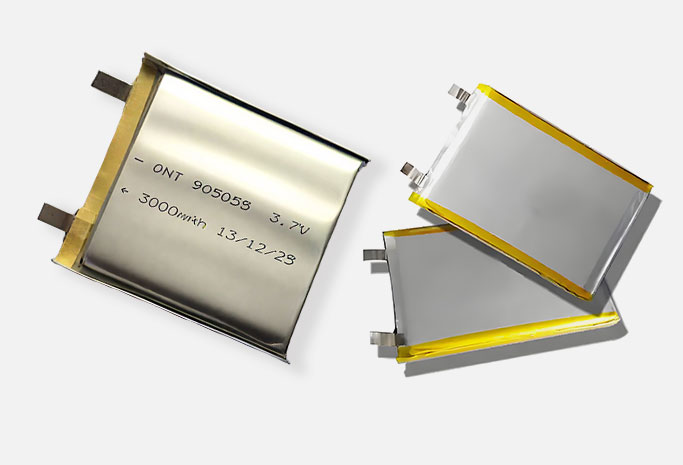
- Battery foil – where purity and ductility are critical
8011 is preferred for:
- Pharmaceutical blister packs, meat laminates, and dairy heat‑seal layers – requiring barrier integrity and mechanical robustness
- Water‑blocking tapes, fire‑resistant layers, and specialty power cables – needing better composite stability and strength
- Air‑conditioner heat‑exchanger fins (0.08–0.10 mm thick) – demanding high‑speed stamping and good thermal transfer
- Industrial sealing and insulating tapes – where higher strength is a must
Selection Guide: A Clear Framework
|
Consideration |
Lean toward 1235 |
Lean toward 8011 |
|
Core priority |
Purity, conductivity, flexibility |
Strength, tear/puncture resistance |
|
Mechanical need |
Forming‑oriented, moderate strength |
Load‑bearing, sealing, impact resistance |
|
Processing style |
Deep drawing, complex stamping, flexible lamination |
High‑speed wrapping, heat sealing, stamping |
|
Typical sectors |
Flexible packaging, telecom cables, general tapes |
Pharma packaging, industrial tapes, AC fins, specialty cables |
|
Cost profile |
Economical, high value‑for‑money |
Performance‑premium, higher price |
Three steps to narrow your choice:
1. Clarify your top priority – do you value purity/conductivity/flexibility more, or strength/tear‑resistance/stability?
2. Match your process – deep‑drawing favours 1235; high‑speed wrapping or heat‑sealing favours 8011.
3. Balance performance and budget – pick the most cost‑effective option that still meets functional requirements.
To make a sound decision in the 8011 vs 1235 aluminum foil comparison, always test samples under your actual production conditions—because real‑world performance is the ultimate proof.
FAQ
Q1: Which is stronger, 8011 or 1235?
A: 8011 has significantly higher tensile strength, making it better for tear‑ and puncture‑resistant applications.
Q2: What is the aluminum purity of 1235?
A: 1235 contains at least 99.35% aluminum, classifying it as high‑purity commercial aluminum.
Q3: Which one should I choose for food packaging?
A: For flexible wraps (e.g., baking paper, coffee pouches), choose 1235; for heat‑sealable or mechanically demanding food packs (e.g., meat laminates, dairy), choose 8011.
Q4: Is there a big price difference between the two?
A: 8011 typically costs more due to its enhanced performance and wider application range.
Q5: Which is better for cable shielding?
A: For communication/RF cables, prefer 1235 (conductivity + flexibility); for water‑blocking or specialty cables, prefer 8011 (strength + composite stability).
Mingtai Aluminum supplies both 8011 and 1235 foils in customized thicknesses, widths, and tempers to match your exact project needs. Reach out to discuss your requirements and receive expert alloy selection guidance.