aluminum foil for capacitor pouch
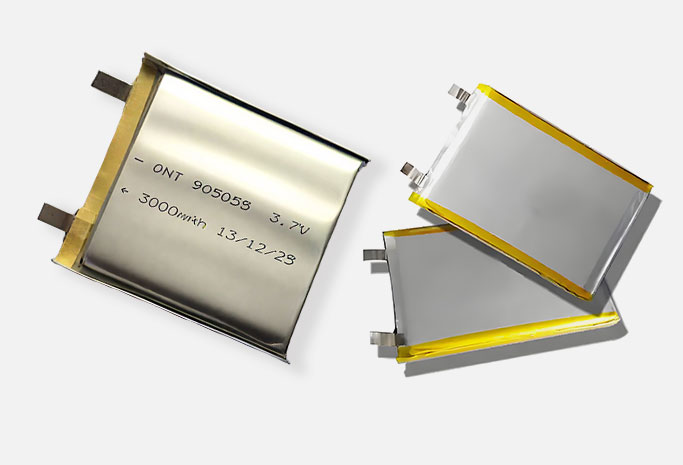
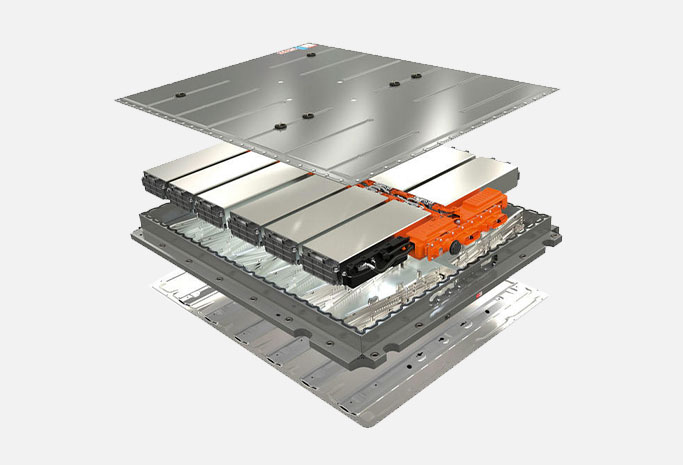
In the packaging structure of pouch capacitors and pouch batteries, aluminum foil for capacitor pouch is not just "the metal layer in the middle"—it is the only physical barrier that simultaneously blocks moisture, oxygen, and electrolyte from penetrating each other. Once the barrier fails, moisture ingress triggers electrolyte decomposition and gas generation, leading to swelling. Electrolyte leakage causes rapid capacity degradation and even short-circuit risks. The quality of barrier performance directly determines the safety boundary and service life of the end product.
What Exactly Is It Blocking?
The barrier mission of aluminum foil works in two directions:
Outward—preventing environmental moisture and oxygen from entering the cell interior. Moisture reacts with the electrolyte to form corrosive compounds that attack the electrodes and the aluminum foil itself.
Inward—locking in the electrolyte, preventing volatilization or leakage, and maintaining long-term stability of the electrochemical system.
Accomplishing both tasks relies on the extreme density of the foil. Pinholes, cracks, and microscopic defects directly compromise barrier integrity.
How Do You Measure Barrier Performance?
Three metrics matter most when evaluating barrier capability:
- Moisture Vapor Transmission Rate (MVTR) – The industry benchmark is ≤0.1g/(m²·24h). Lower values mean less moisture penetration.
- Pinhole Density – Each pinhole represents a potential leakage path. Premium-grade foil maintains pinhole density at exceptionally low levels to ensure seal integrity.
- Surface Cleanliness – Directly affects lamination adhesion between the foil, the outer nylon layer, and the inner CPP layer. Delamination means complete barrier failure.
Three More Properties That Determine Success
Beyond barrier performance, three additional properties are equally critical to overall success:
① Deep-draw formability – Pouch cells must be stamped into various shapes. Foils with insufficient elongation tend to crack, wrinkle, or develop hidden pinholes during deep drawing (which gradually evolve into leakage paths during service). Quality foils deliver good elongation and withstand significant draw depth without rupture.
② Electrolyte corrosion resistance – LiPF₆-based electrolytes are highly corrosive. Foils with improper alloy composition will gradually corrode through over extended use, resulting in complete barrier failure. Selecting an alloy with excellent corrosion resistance is a prerequisite for long-term reliability.
③ Puncture and tear strength – During stacking, vibration, shock, and thermal cycling, the foil must resist penetration from internal electrode expansion and external compression.
Which Alloy and Thickness Fit Your Application?
Material selection typically starts with three dimensions:
- Alloy designation – 8021 and 8079 are the two mainstream alloys for pouch battery aluminum laminates (both belong to the 8xxx Al-Fe series and offer high barrier properties). The choice between them depends on the specific trade-off between formability and corrosion resistance. 1070 is more commonly used for power and electrolytic capacitors, valued for its high purity (≥99.70%) and excellent conductivity.
- Thickness – 0.03–0.045mm for consumer electronics batteries; 0.04–0.08mm for power batteries and energy storage; 0.02–0.06mm for power capacitors.
- Temper – O temper (fully annealed) for deep-draw applications; H18/H19 for applications prioritizing mechanical strength.
Why Batch-to-Batch Consistency Matters
Passing a single sample test is not enough. When each coil varies from the last, production lines constantly need re-adjustment. Rejection rates climb. Whole lots may end up scrapped. These losses often cost far more than the price difference between suppliers. A reliable producer must run precision rolling with tight process controls. Only that ensures every coil performs the same way. From moisture protection to electrolyte resistance, from forming reliability to puncture strength—each specification affects the end product's safety and longevity.
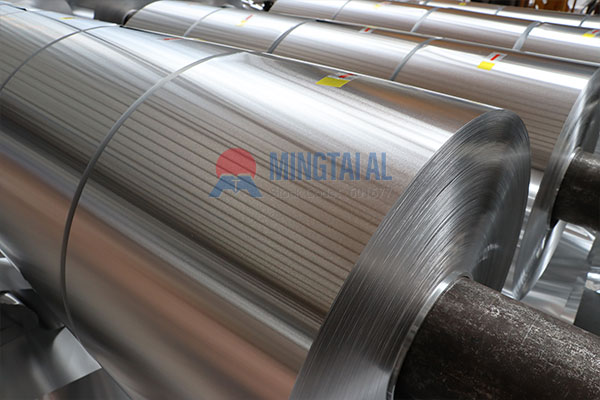
Henan Mingtai Al Industry Co., Ltd. brings over 20 years of aluminum foil production experience, covering the full 1xxx through 8xxx alloy series. Our 8021 and 8079 foils for aluminum laminates have passed supplier audits from multiple battery manufacturers. We focus exclusively on high-quality aluminum foil rolling and do not engage in surface treatment or secondary processing. Our commitment to stable batch-to-batch consistency and reliable delivery supports packaging needs for customers worldwide.
FAQ
Q: What is the typical thickness range for aluminum foil used in capacitor pouches?
A: 0.03–0.045mm for consumer electronics batteries, 0.04–0.08mm for power batteries and energy storage, and 0.02–0.06mm for power capacitors.
Q: How do I choose between 8021 and 8079?
A: Both are 8xxx Al-Fe alloys with comparable barrier performance—the choice depends on your specific balance of formability and corrosion resistance requirements.
Q: What is an acceptable MVTR value?
A: The industry benchmark is ≤0.1g/(m²·24h), the core metric for evaluating moisture barrier capability.
Q: Why does pinhole density matter?
A: Each pinhole is a potential leakage path that directly determines packaging yield and long-term service life.
Q: Does Mingtai Aluminum offer surface treatment or secondary processing?
A: No—we focus exclusively on high-quality aluminum foil rolling and do not engage in surface treatment or secondary processing.