8079 aluminum foil packaging
8079 aluminum foil packaging is based on the Al‑Fe‑Si alloy system, with iron (Fe) precisely controlled at 0.7%–1.3% and silicon (Si) at 0.05%–0.30%. This composition gives it superior mechanical strength and pinhole control compared to conventional 8011 and 1235 alloys. No surface coatings or extra treatments are needed—its dense metallic microstructure alone delivers excellent barrier performance. That is why it is widely recognised as a true high‑barrier solution.
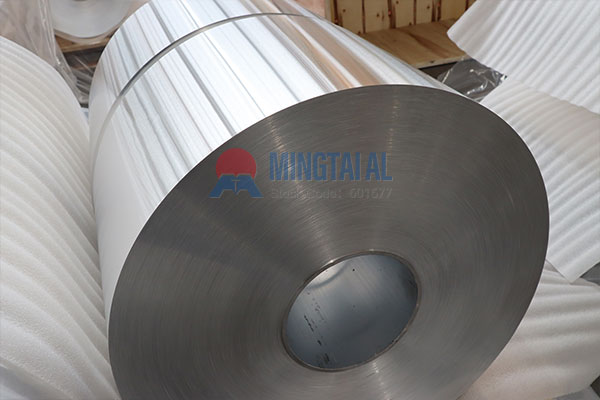
> Mingtai Aluminum produces 8079 foil in thicknesses from 20 μm upwards, covering the full range of 0.02–0.2 mm.
Three core advantages define 8079 foil:
- Ultra‑low pinhole density – Pinholes are the weakest link in barrier performance. 8079 foil consistently achieves <100 pinholes/m², significantly lower than 8011, ensuring barrier integrity from the start.
- Four‑dimensional barrier – The dense structure effectively blocks oxygen, moisture, light, and odours, protecting contents against external contaminants.
- Balanced strength and ductility – The higher iron content delivers tensile strength of 95–140 MPa and good puncture resistance, while maintaining elongation of 13%–18% – so it resists cracking during forming and deep‑drawing processes.
Three major application fields have already adopted 8079 foil as a standard:
Pharmaceutical packaging (typical thickness 0.02–0.03 mm, O temper)
Blister packs (PTP) and tropical‑grade drug foils demand extreme moisture and oxygen resistance. 8079’s ultra‑low pinhole rate ensures medicines stay dry and unoxidised throughout their shelf life.
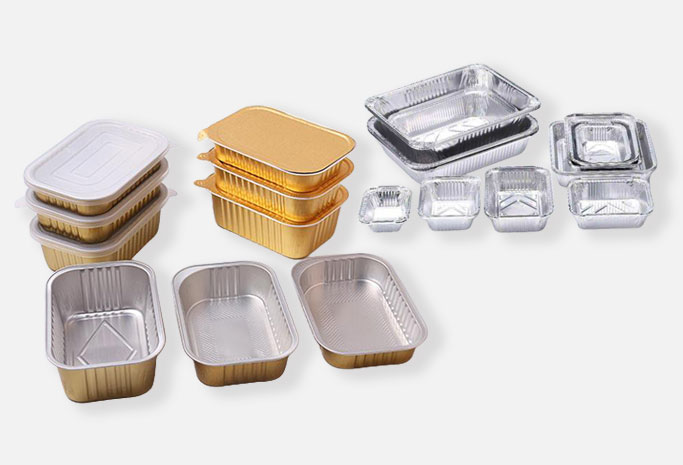
Premium food packaging (typical thickness 0.025–0.035 mm, O temper)
It is widely used for specialty coffee, baked goods, meat products, dairy, and retort pouches. Besides high barrier performance, 8079 offers excellent surface cleanliness and printability – essential for premium brands that value both protection and presentation.
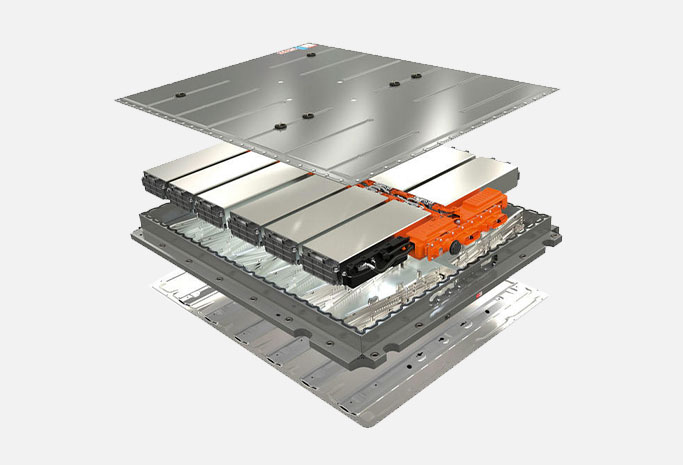
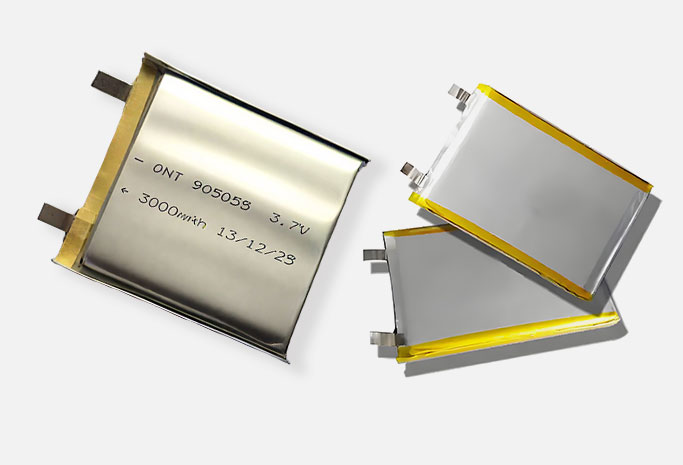
Lithium‑ion battery pouch film (typical thickness 0.035–0.055 mm)
As the core barrier layer in soft‑pack battery laminates, 8079 must meet stringent requirements: extremely low pinholes (to prevent electrolyte leakage), good formability, and resistance to electrolyte corrosion. This is the fastest‑growing application segment for 8079 foil.
Choosing the right alloy – a quick comparison:
|
Feature |
8079 |
8011 |
1235 |
|
Alloy system |
Al‑Fe‑Si (high Fe) |
Al‑Fe‑Si (balanced) |
Commercially pure Al (≥99.35%) |
|
Pinhole control |
Excellent (<100/m²) |
Good (<200/m²) |
Moderate (<250/m²) |
|
Tensile strength |
95–140 MPa |
Moderate |
Lower |
|
Elongation |
13%–18% |
10%–18% |
18%–25% |
|
Typical uses |
Pharma foil, battery film, premium food |
General food wrapping, household foil |
High‑end food wrapping, capacitors |
- Choose 8079 when you need superior barrier performance, puncture resistance, and long‑term stability – for pharma blister packs, battery laminates, or export food products.
- Choose 8011 for general‑purpose packaging where cost‑effectiveness is the priority.
- Choose 1235 when high purity and extreme softness are more important than strength.
Market trends show 8079 foil entering a period of rapid growth. Pharmaceutical packaging continues to expand steadily, with stricter moisture‑and‑oxygen standards for exported drugs. Lithium‑ion pouch film is the fastest‑growing segment, driven by 3C devices and power batteries. In the premium food sector, both consumer upgrading and plastic‑reduction policies are boosting 8079 adoption.
Choosing 8079 aluminum foil packaging is ultimately a long‑term guarantee of product quality.
Mingtai Aluminum offers reliable 8079 foil supply with over 20 years of manufacturing experience and full specifications from 20 μm upward. Contact us for customised solutions tailored to your packaging needs.
FAQ
Q: What is the minimum thickness of 8079 aluminum foil you can produce?
A: We produce 8079 foil from 20 microns (0.02 mm) and above.
Q: Is 8079 aluminum foil suitable for pharmaceutical blister packaging?
A: Yes, its ultra‑low pinhole rate and barrier properties make it a top choice for PTP blister and tropical pharmaceutical foils.
Q: What's the difference between 8079 and 8011 aluminum foil?
A: 8079 has higher iron content (0.7%–1.3% vs. 0.6%–1.0%), giving better puncture resistance and barrier performance.
Q: Can 8079 aluminum foil be used for lithium battery packaging?
A: Yes, it is a mainstream substrate for pouch battery laminates due to its low pinholes and good formability.
Q: Does Mingtai Aluminum offer customized 8079 foil specifications?
A: Yes, we support custom thickness, width, and temper (O, H22, H24) for your specific application.