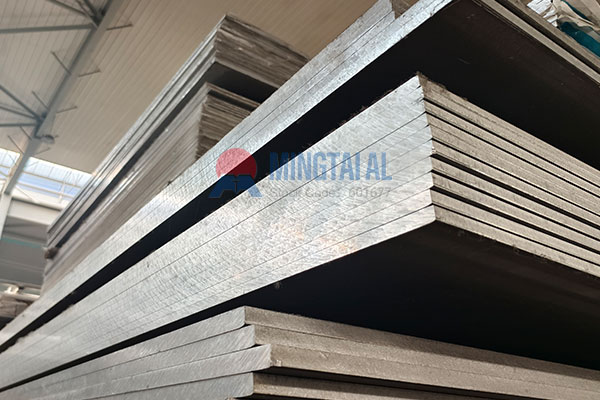
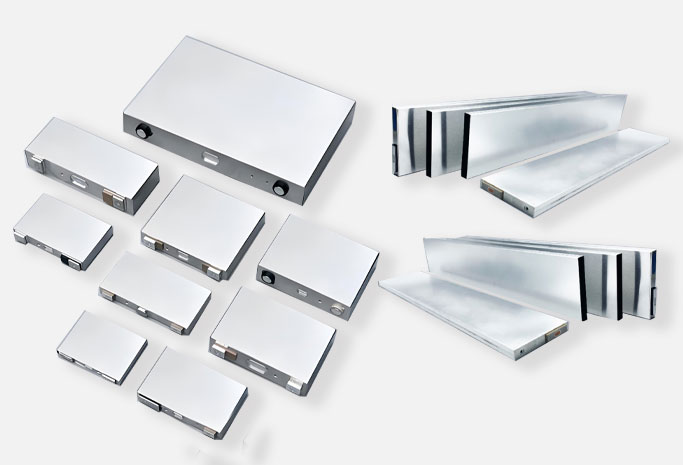
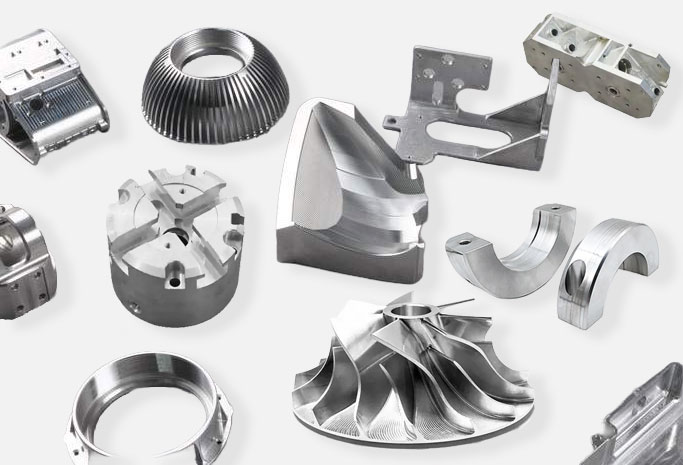
aluminum plate for semiconductor chamber
Semiconductor manufacturing continues advancing toward smaller process nodes, and vacuum chamber performance requirements have escalated accordingly. Ultra-high vacuum environments, frequent thermal cycling, and aggressive process gases all impose stringent demands on chamber materials.
As the foundation of chamber structures, the quality of aluminum plate for semiconductor chamber directly determines equipment sealing integrity, process stability, and product yield. Selecting the right plate requires evaluating multiple factors. Below are five core dimensions to examine when assessing high-purity aluminum plate.
Material Purity – The Foundation of Chamber Cleanliness
- Aluminum plate with insufficient purity can release impurity elements under high temperature or plasma environments, contaminating the chamber and causing wafer defects.
- Semiconductor-grade plate typically requires impurity elements (especially Fe, Cu, and Si) to be controlled below strict limits.
- Higher-purity materials are suitable for advanced-process chambers, effectively reducing metal contamination risks.
- Industry standards commonly referenced include ASTM B209 and SEMI specifications. Requesting a complete chemical composition analysis report is recommended for every shipment.
Flatness and Residual Stress – Preventing Warpage After Machining
Chamber components often require substantial material removal—sealing groove milling, drilling, and large-area face milling. If the base plate lacks adequate flatness or contains high internal stress, warping after machining is inevitable.
Flatness issues lead to:
- Sealing surfaces that cannot mate properly
- Vacuum leaks as a direct consequence
- Dimensional mismatches during assembly
Quality plate should offer:
- Tight flatness specifications, maintaining planarity even in large dimensions
- Narrow thickness tolerances, reducing downstream adjustment work
- Low residual stress—achieved through stretch leveling and stress-relief annealing—ensuring dimensional stability even after significant material removal
Choosing the Right Alloy – 5052, 5083, or 6061?
Different applications call for different alloys. The three main grades each have distinct characteristics:
|
Alloy |
Key Features |
Recommended Applications |
|
5052 |
Lower magnesium content. Excellent corrosion resistance, cost-effective machining. |
Small to medium chambers, weight-sensitive and cost-sensitive components. |
|
5083 |
Higher magnesium content. Superior strength and tensile performance. Good low-temperature toughness. |
Large process chambers, high-load structures, long-term exposure to fluorine-containing corrosive environments. |
|
6061 |
Contains magnesium and silicon. Balanced mechanical properties, good weldability, moderate cost. |
Most widely used general-purpose chamber aluminum. |
Selection should consider chamber dimensions, load conditions, process gas types, and budget. There is no single "best" grade—only the most suitable one for the specific application.
Outgassing Rate and Thermal Conductivity – Two Critical Parameters
Outgassing Rate – the rate at which material releases gas under vacuum. Aluminum inherently exhibits low outgassing, but higher impurity levels worsen the rate. Low outgassing delivers:
- Shorter pump-down times, improving equipment throughput
- Lower ultimate vacuum pressure, meeting advanced process requirements
- Reduced process gas contamination, enhancing yield
Thermal Conductivity – aluminum outperforms alternatives like stainless steel in heat transfer. Good thermal conductivity enables rapid temperature equalization across the chamber, preventing localized overheating that can compromise process uniformity. While conductivity varies slightly among alloys, all generally meet semiconductor process requirements.
Quality Control and Traceability – The Unseen Assurance
Semiconductor equipment manufacturers enforce exceptionally strict supply chain audits. Every batch of aluminum plate must be accompanied by traceable material test reports, including chemical composition, mechanical properties, and heat treatment records.
Traceability requirements include:
- Each piece traceable to its original melt number and production batch
- All test data archived and retrievable
- Compliance with ISO 9001 and SEMI quality management certifications
Only suppliers with comprehensive quality systems can ensure batch-to-batch consistency and minimize incoming inspection risks.
Review the Five Core Dimensions
Weighing purity, flatness, alloy selection, outgassing/thermal performance, and traceability leads to a well-informed material choice. Henan Mingtai Al Industry Co., Ltd. produces high-purity aluminum plate for semiconductor chamber applications—base material only, without surface treatment or secondary processing. We deliver quality-stable, parameter-controlled plate products for reliable semiconductor equipment manufacturing.
FAQ
Q: What purity level is typically required for semiconductor chamber aluminum plate?
A: Total impurity elements must be kept below specified limits, with stricter requirements for advanced process applications.
Q: What problems can insufficient flatness cause?
A: Machined components will warp, leading to seal failure, assembly difficulties, and potential vacuum leaks.
Q: Which alloy is better for corrosive process environments, 5052 or 5083?
A: 5083 offers superior corrosion resistance and strength due to its higher magnesium content, making it preferable for fluorine-heavy processes.
Q: Why is traceability important when sourcing aluminum plate?
A: It ensures consistent material quality across batches and enables full accountability if any issues arise.