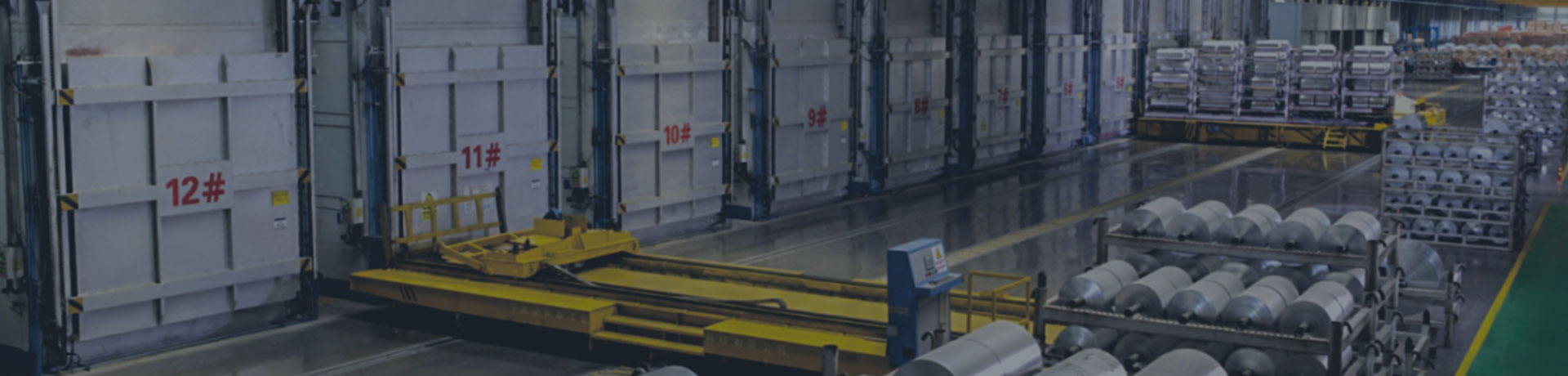
8011 aluminum foil
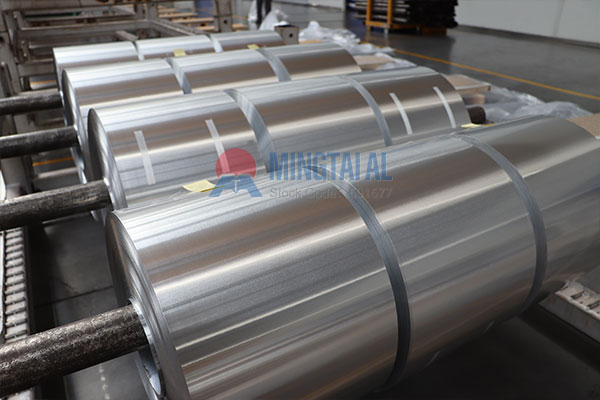
8011 aluminum foil is a widely used barrier core in heat-seal laminates. It sits inside foil composite films, lidding materials, and blister packs, where stable surface quality and reliable lamination matter more than marketing claims.
It is an Al-Fe-Si alloy foil. The alloy gives a practical balance of strength, flexibility, and barrier performance, so it is often preferred over plain foil for packaging laminates. In soft O temper, it folds and bends with less risk of cracking during lamination, printing, and heat sealing.
What the Alloy Offers
Iron and silicon strengthen the foil. Compared with plain aluminum foil, 8011 offers better tensile strength and puncture resistance while keeping the barrier, light-blocking, temperature tolerance, and odorless properties expected from aluminum foil.
Packaging lines usually choose soft O temper because it has enough elongation for folding, lamination, printing, and heat-seal conversion. The foil is not a finished package. Its performance depends on how well it works inside the full laminate.
Performance at a Glance
- Barrier: Helps block moisture, oxygen, and light in composite structures.
- Flexibility: Soft temper supports folding and conversion with less cracking risk.
- Adhesion: Bonds well to inks, adhesives, and heat-seal coatings when surface energy is controlled.
- Temperature resistance: Suitable for frozen storage, heat sealing, and short-time cooking when the full laminate is designed for the process.
- Contact safety: Can be used in food, pharma, and cosmetic contact structures when paired with appropriate layers and controls.
Where It Fits
Most applications use it as a barrier core inside a laminate, not as a bare foil package.
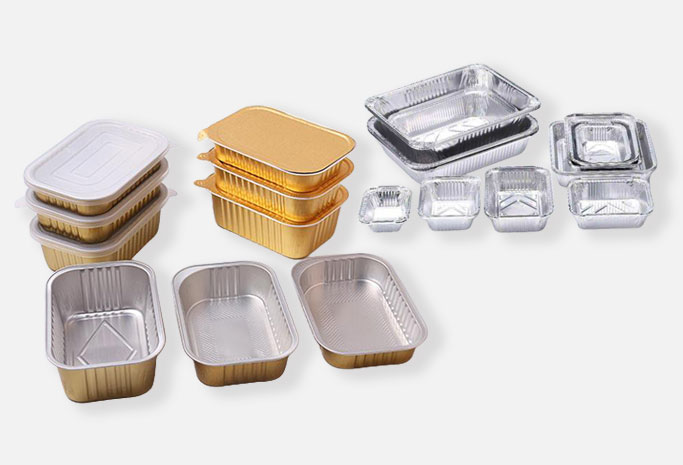
- Food packaging: snack bags, dairy lidding, and ready-meal or retort structures designed for the process.
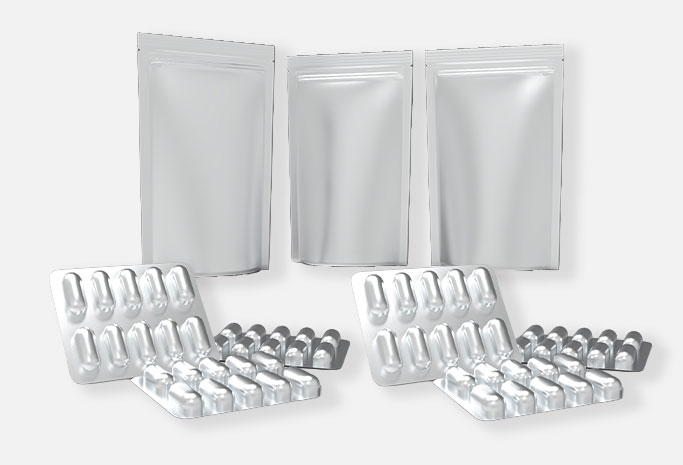
- Pharmaceutical packaging: press-through pack (PTP) blister foil base for tablets and capsules, helping protect contents from light and moisture.
- Cosmetic packaging: sealing films for creams and composite pouches for liquid formulas, reducing loss of active ingredients.
Why Bare Foil Is Rarely Used Alone
Bare foil has strong barrier performance, but it has limits on packaging lines.
1. It does not heat-seal by itself. Aluminum does not melt and bond like plastic. A PE or CPP sealant layer is needed for bag making and sealing.
2. Thin foil needs support. Thin gauges can form pinholes or cracks when folded, rubbed, or run at speed.
3. Corrosion is possible. Direct contact with acidic or alkaline contents can attack bare foil. An inner plastic layer separates the foil from the product.
4. Printing and protection need help. Bare foil does not hold ink as reliably as a treated film. An outer film can carry print and protect the foil from scratches.
5. Migration must be controlled. An inner layer keeps the metal surface away from the contents and supports food-contact compliance.
What Lamination Adds
The foil is the barrier core. The other layers make it printable, sealable, and durable.
|
Layer |
Main job |
|
Outer film (PET, BOPA, paper) |
Print surface, mechanical protection, handling strength |
|
8011 aluminum foil |
Barrier core; blocks light, moisture, and oxygen |
|
Inner sealant (PE, CPP) |
Sealability, product contact, corrosion separation |
The right structure depends on the product, filling method, and packing process. A foil that works well in one laminate may not be the best choice for another.
Matching Foil to the Laminate
The right foil specification depends on the finished laminate, not on foil alone. A snack bag, dairy lidding film, blister pack, and cosmetic sachet place different demands on stiffness, seal strength, print quality, and barrier.
Ask simple questions: What is being packed? How will the package be filled and sealed? What storage and transport conditions must it survive? The answers define the outer film, foil temper, inner sealant, and conversion process.
For dry foods, moisture and oxygen barrier usually come first. For retort or ready-meal structures, the whole laminate must be designed for heat and pressure. For PTP blister foil, surface quality and pinhole control are especially important because the foil is formed and sealed around the product. For cosmetic sachets, print appearance and resistance to formula components often matter.
Quality Checks That Matter Before Lamination
Incoming quality control should focus on defects that show up later in lamination, printing, and sealing.
- Surface cleanliness: No oil stains, dust, aluminum chips, dark spots, or oxidation marks. Residual rolling oil must be controlled because it can weaken adhesion, cause ink transfer problems, and affect heat-seal coating.
- Pinhole control: Pinholes are tiny through-holes formed during rolling. Their number and size should be controlled, especially for pharmaceutical blister base where barrier protection is critical.
- Mechanical properties: The foil should meet the agreed temper and elongation requirements so it can pass lamination and blister forming without cracking.
- Surface wetting tension: A stable dyne value helps inks, adhesives, and heat-seal coatings bond properly and reduces ink drop-off or delamination.
- Appearance and roll shape: The roll should be flat, free of wrinkles, bulges, and scratches, with neat edges for smooth unwinding.
- Safety and hygiene: Heavy metals and other controlled substances should stay within applicable limits. Food or pharma grades should meet contact-material and hygiene requirements.
Common Foil Problems and Their Effects
Residual oil above the agreed limit. If rolling oil remains on the surface, adhesive bonding can fail, print may drop out, heat-seal coating may peel, and odor can migrate into the packed product.
Too many pinholes. Pinholes weaken the barrier. Moisture and oxygen can pass through, raising the risk of oxidation, dampness, and shorter shelf life. In blister packaging, moisture protection can be compromised.
Heavy-metal contamination. When foil used for food or drug contact contains excessive heavy metals, migration risk increases and the finished packaging may fail contact-material tests. This is a serious defect that can lead to batch rejection.
FAQ
Q: Is 8011 aluminum foil heat-sealable on its own?
A: No. It needs a PE or CPP sealant layer.
Q: Why is soft O temper common for laminates?
A: It gives enough elongation for folding, lamination, and blister forming.
Q: Can 8011 foil be used for PTP blister packaging?
A: Yes, when pinhole and surface quality are controlled.
Q: Which surface checks matter?
A: Cleanliness and stable dyne value are both critical before lamination.
Q: Does lamination improve barrier performance?
A: The foil provides the barrier; lamination adds sealability, strength, and protection.
Before the First Production Run
Confirm foil temper, thickness tolerance, surface cleanliness, pinhole standard, dyne value, and contact-safety documents against the intended laminate structure. A small trial lamination can reveal adhesion, print, and seal issues before a full run. Henan Mingtai Aluminum Industry supplies 8011 aluminum foil with a focus on consistent surface quality and conversion performance.