7075-T651 aluminum plate
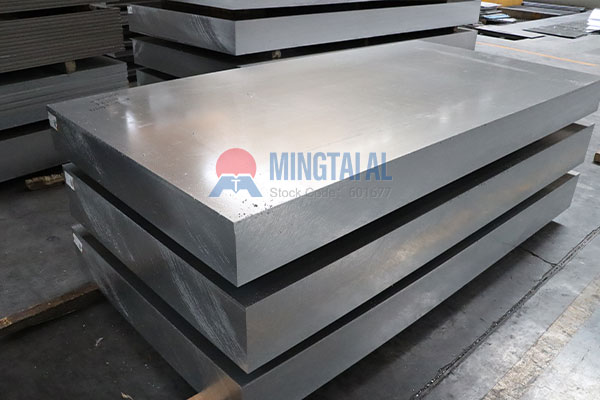
When a part needs high strength and dependable dimensions after CNC machining, 7075-T651 aluminium plate is often the specified material. It belongs to the 7000-series Al-Zn-Mg-Cu family, a heat-treatable alloy widely associated with aircraft-grade applications. The T651 temper is not just a label; it signals a stress-relieved condition designed to reduce movement during and after machining. That difference matters most in precision work, where a flat plate must stay flat after milling, drilling, and profiling.
Why 7075 Is Chosen for Demanding Parts
7075 aluminum is valued for its high strength-to-weight ratio and machinability. It is not the right answer for every project, but it earns its place where strength and dimensional control are both important.
Common uses include:
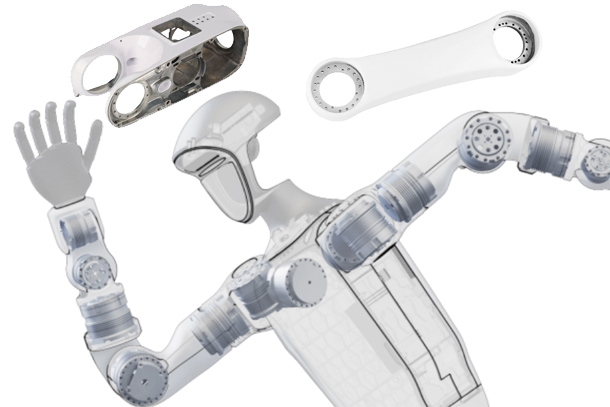
- Aircraft structural parts and wing components
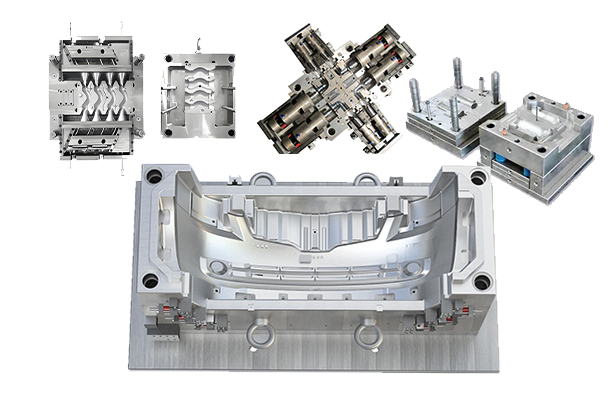
- Blow molds, injection molds, and semiconductor tooling
- Precision jigs, fixtures, and inspection gauges
- High-end bicycle frames and sports components
- Automation structures and mechanical parts with demanding loads
In these applications, the material must do more than meet a strength number. It must hold shape through cutting, drilling, tapping, and surface treatment.
T6 and T651: Same Alloy, Different Machining Behavior
The base strength of 7075-T6 and 7075-T651 is close. The practical difference is residual stress.
|
Temper |
Process focus |
Residual stress |
Best fit |
|
7075-T6 |
Solution heat treatment, quenching, and artificial aging |
Higher stress from quenching |
Simple parts, low material removal, or parts with later straightening |
|
7075-T651 |
Quenching, pre-stretching to relieve stress, then aging |
Reduced stress and better dimensional stability |
Precision CNC machining, molds, jigs, and inspection tooling |
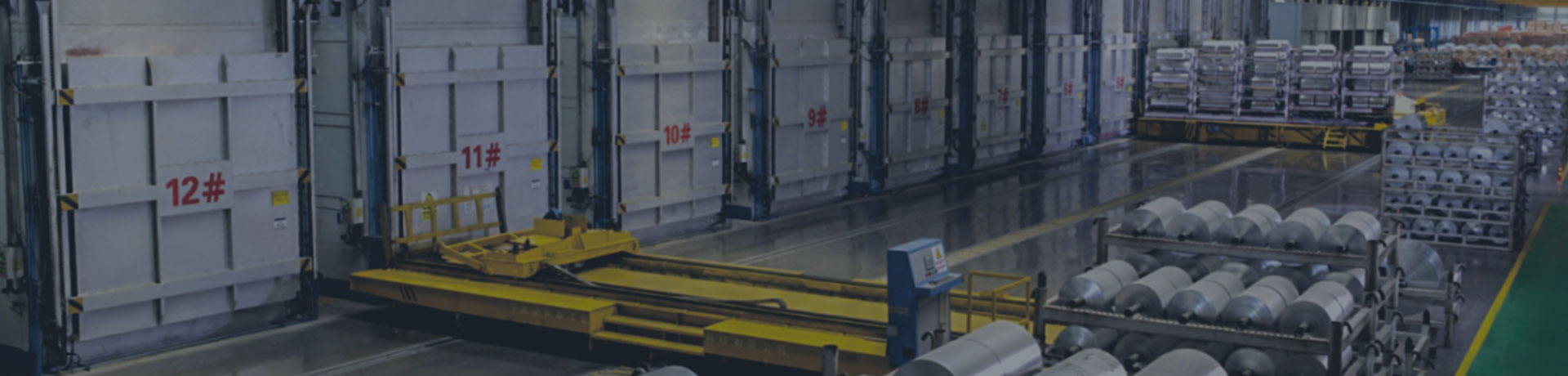
T651 is a plate temper. After quenching, the plate is stretched before aging to release a large share of quenching stress. This is why T651 behaves more predictably when a lot of material is removed.
> A low price can hide a temper problem. If a plate is actually T6 but sold as T651, distortion may only appear after the part is nearly finished.
Why Precision Machining Favors T651
For precision parts, strength alone is not enough. The material must remain stable when machining removes material and changes the balance of internal stress.
That is why 7075-T651 aluminum plate is often preferred for CNC work:
1. Less movement after milling. When pockets, slots, and profiles are cut, a stress-relieved plate is less likely to warp or twist.
2. Better stability through secondary steps. Drilling, tapping, and anodizing are less likely to cause unwanted dimensional drift.
3. Strength close to T6. The mechanical performance remains suitable for many high-strength structural parts, while machining stability improves.
These benefits do not make T651 a magic material. Good programming, proper clamping, and sensible cutting strategy still matter. But starting with a stress-relieved plate removes a major source of variation.
When T6 May Be Enough
T6 can still be a practical choice in some cases:
- Simple profiles or forgings
- Parts with limited machining allowance
- Projects with relaxed tolerances
- Parts that will be straightened or corrected after machining
For precision fixtures, inspection gauges, automated equipment structures, and molds with tight dimensional expectations, T651 is usually the safer specification. For general structural parts where minor movement can be accepted, T6 may be sufficient.
What to Check Before the First Cut
Material selection should be confirmed before machining starts, not after a part has already distorted. A flat plate is easier to fixture, but hidden stress can still cause movement when clamps are released. That is why temper verification and plate quality checks belong at the beginning of the project.
- Temper confirmation. The mill certificate should state T651 clearly, not just 7075.
- Mechanical properties. Tensile strength, yield strength, and hardness should match the required condition.
- Plate surface and internal quality. Look for scratches, blisters, inclusions, porosity, or lamination; ultrasonic inspection may be requested where internal quality is critical.
- Flatness and tolerances. Thickness, length, width, and flatness should fit the machining plan.
- Supply consistency. Repeat orders need stable plate quality and reliable delivery, especially for production programs.
- Standard compliance. Manufacturing to recognized standards such as ASTM B209 helps keep expectations clear.
FAQ
Q: Is 7075-T651 aluminum plate suitable for CNC machining?
A: Yes, its stress-relieved temper supports stable dimensions after machining.
Q: Is T651 stronger than T6?
A: Their base strength is similar; the main difference is residual stress and machining stability.
Q: Can T6 replace T651?
A: Yes, for simple parts with low material removal and relaxed tolerances.
Q: What should be confirmed before ordering?
A: Confirm temper, mill certificate, flatness, thickness tolerance, and internal quality.
Q: Does pre-stretching replace aging?
A: No, pre-stretching relieves stress, while aging develops strength.
Before the First Cut
Choose the temper that matches the job. If the part will lose a lot of material and must stay flat, specify T651 and verify the documentation before cutting. For reliable supply of stress-relieved 7075 aluminium plate, Henan Mingtai Al Industry manufactures to recognized standards and supports precision manufacturing projects. Its team can help match plate size, temper, and documentation to your machining plan.