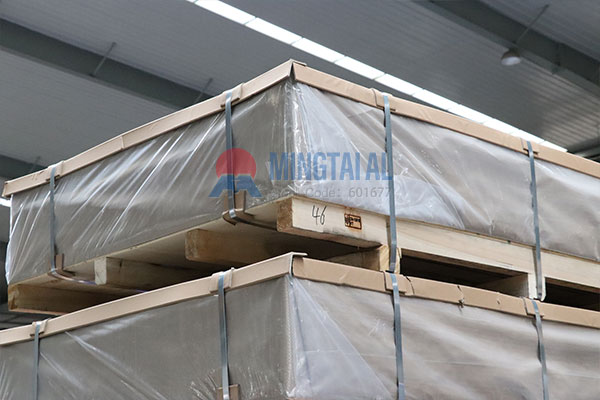
6082 Aluminum Plate
6082 Aluminum Plate: A Structural Alloy for Demanding Work
When a component has to carry real load, resist weather, and still machine cleanly, 6082 aluminum plate is often the practical choice. It belongs to the 6xxx heat-treatable Al-Mg-Si family and is widely used in Europe for structural, transport, marine, and precision engineering. In the UK, Australia, and other markets, it may be called 6082 aluminium plate. It is not just a simple alternative to 6061; it is selected when higher strength, better fatigue behavior, and stronger resistance to stress-corrosion cracking matter.
Why Engineers Specify 6082
The alloy uses magnesium and silicon to form Mg₂Si strengthening precipitates. Manganese helps refine the grain structure, which supports weldability and reduces cracking risk. Low copper content helps the material resist humid, coastal, and mildly marine conditions. Heat treatment—solution treatment followed by artificial aging—develops the strength that makes it a structural material.
Temper Choice Changes Everything
Temper is not a small detail. It affects formability, strength, machining stability, and final cost.
|
Temper |
Best For |
Why It Matters |
|
O |
Bending, stamping, formed sheet parts |
Soft and highly formable |
|
T4 |
Welded parts and moderate-load components |
Good toughness after natural aging |
|
T6 |
General heavy-duty structures |
High strength after artificial aging |
|
T651 |
Precision machining and low-distortion parts |
Stress-relieved for greater dimensional stability |
For critical parts, confirm temper, thickness, flatness, and inspection requirements before ordering. A plate that is strong but unstable after machining can cost far more than the material itself.
Fabrication Performance That Matters
Welding
6082 welds well and is less prone to hot cracking than some structural alloys. The heat-affected zone can lose some strength after welding. If the finished part must meet very high strength demands, post-weld heat treatment may be considered. Many ordinary structural parts, however, perform well in the welded condition.
CNC Machining
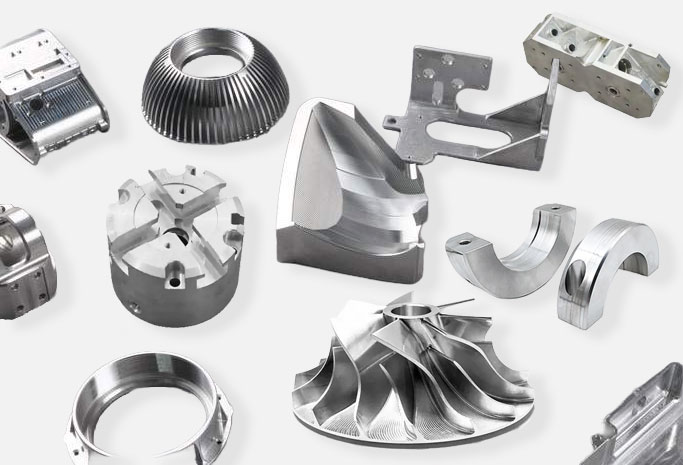
In T6 and T651 tempers, 6082 offers excellent machinability, smooth chip flow, and a clean surface finish. T651 is especially useful for jigs, fixtures, mold backing plates, automation frames, guide rail bases, and robot arms. Because it is stress-relieved, it resists warping during heavy milling and drilling.
Corrosion Resistance and Finishing
The low-copper chemistry and manganese grain refinement help 6082 resist atmospheric, freshwater, and mild marine corrosion. It also performs better than 6061 in resistance to stress-corrosion cracking, which matters in coastal and outdoor equipment. Anodizing, painting, and other surface treatments work well, giving a uniform appearance without sacrificing structural performance.
Where 6082 Aluminum Plate Is Used
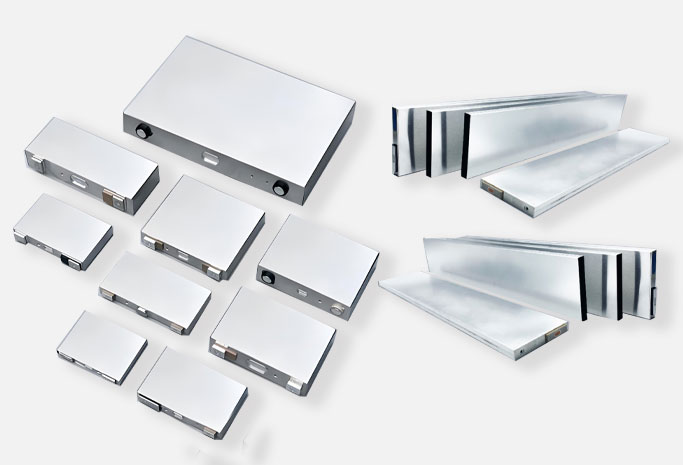
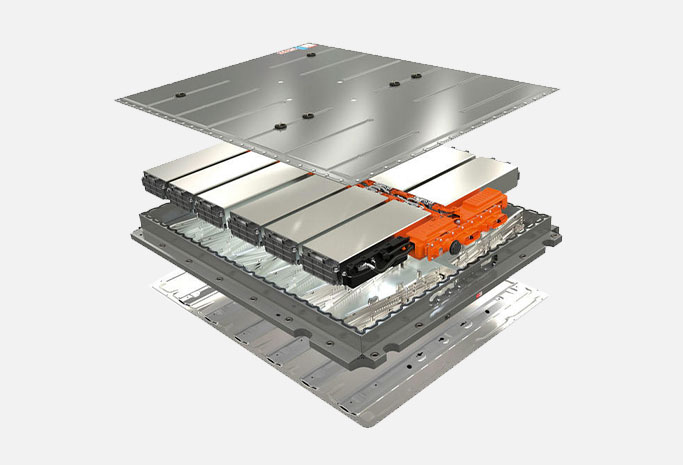
- Transportation: EV battery trays, chassis brackets, truck frames, bus body structures, railcar floor panels, ship superstructures, and deck fittings.
- Heavy equipment and construction: crane booms, equipment frames, bridge trusses, lifting components, and heavy platforms.
- Precision equipment: jigs, fixtures, mold backing plates, automation frames, guide rail bases, and robot arms.
- Industrial equipment: chemical processing equipment components, hydraulic supports, replacements for outdoor steel structures, and pressure equipment components where code allows.
6082 vs 6061: A Simple Selection Guide
Both are heat-treatable Al-Mg-Si alloys, and they can overlap in many jobs. The decision usually comes down to load, forming, and environment.
- Choose 6061 when complex bending, general fabrication, moderate strength, and cost control are the main priorities.
- Choose 6082 aluminum plate when the part faces heavy load, fatigue, vibration, coastal humidity, or stress-corrosion risk.
What to Confirm Before Ordering
1. Temper and thickness: Match them to the final load and machining process.
2. Internal stress control: For precision parts, ask whether the plate is stress-relieved.
3. Flatness and surface condition: These affect cutting, clamping, and finished appearance.
4. Certification and traceability: Confirm mill test certificates and alloy identification.
5. Fabrication route: Tell the supplier if the part will be welded, bent, anodized, or heavily machined.
FAQ
Q: Is 6082 easy to weld?
A: Yes, it welds well, but the heat-affected zone may lose some strength.
Q: What is the difference between T6 and T651?
A: T651 is stress-relieved, so it is more stable during CNC machining.
Q: Can 6082 be anodized?
A: Yes, it responds well to anodizing, painting, and other finishes.
Q: Is 6082 better than 6061 for marine environments?
A: It is often preferred for coastal and marine use because of its corrosion resistance.
Q: Which temper should I choose for precision parts?
A: T651 is usually the safest choice when low distortion matters.
Q: Does 6082 require post-weld heat treatment?
A: Not always; it depends on the strength demands of the finished part.
Getting the Right Plate for the Job
The right alloy only performs when it arrives in the right temper, flatness, and condition. For structural, marine, or precision machining projects, Henan Mingtai offers reliable manufacturing capability and export support. Share your drawings and performance needs, and we will help match the alloy and temper to the job.