aluminum sheet for battery tray
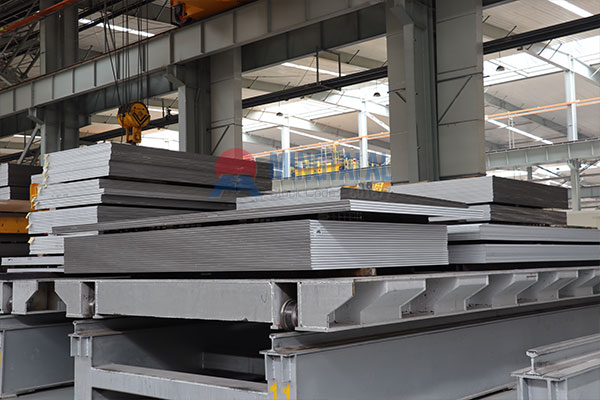
The material used for a battery tray bottom can affect more than just the weight of the finished component. It also needs to provide suitable strength, heat transfer, corrosion resistance, and processing performance. For this reason, aluminum sheet for battery tray applications has become an important material option for electric vehicles, battery systems, and energy storage equipment.
For purchasing teams, choosing the right material usually comes down to a few practical questions: Which alloy is suitable? What thickness is needed? Will the sheet be easy to form and fabricate? And can the supplier provide consistent material for ongoing production?
Why Is Aluminum Used for Battery Tray Bottoms?
Aluminum offers a useful combination of low weight, strength, corrosion resistance, and thermal conductivity. These properties make it suitable for components where weight reduction and structural performance need to be considered together.
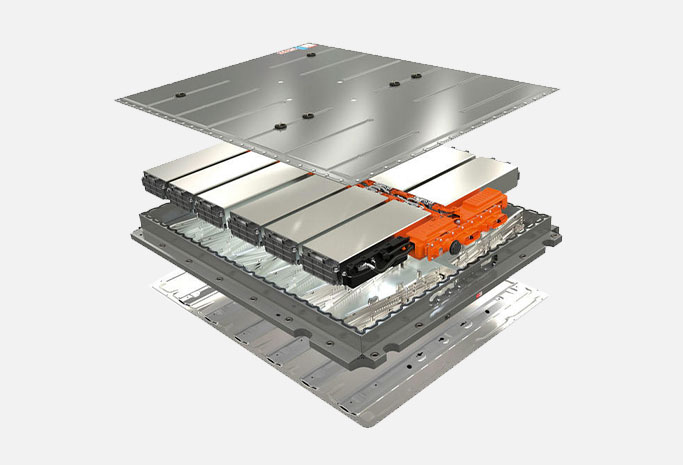
For example, aluminum plate for battery trays can provide a solid base for battery modules while helping keep the overall enclosure relatively lightweight. Aluminum is also easier to process into different shapes and sizes, giving manufacturers flexibility when designing tray structures.
This makes aluminum alloy sheet relevant to a wide range of applications, including:
* Electric vehicle battery trays
* Energy storage systems
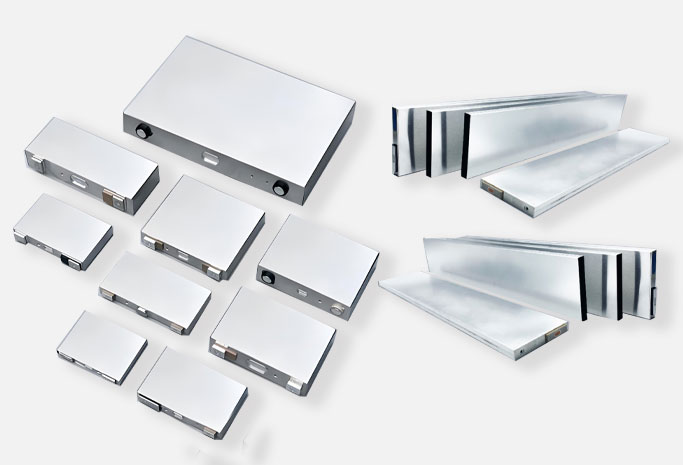
* Battery pack components
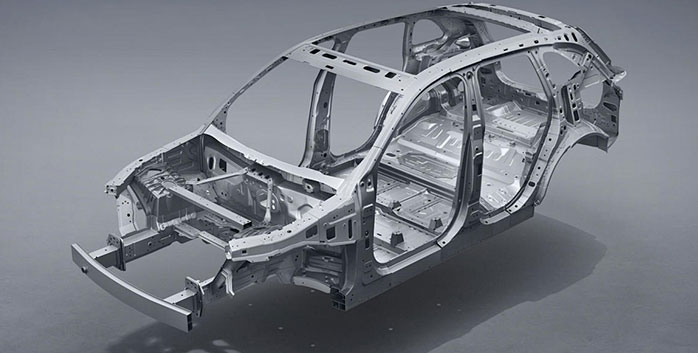
* Lightweight automotive structures
What Should You Look for in Battery Tray Aluminum Sheet?
Not every aluminum sheet is automatically suitable for a battery tray. The material specification should match the design and manufacturing process.
|
What to check |
Why it matters |
|
Alloy |
Influences strength, formability, and corrosion resistance |
|
Temper |
Helps determine the balance between strength and forming performance |
|
Thickness |
Affects weight, stiffness, and structural requirements |
|
Sheet size |
Should match cutting and production requirements |
|
Surface quality |
Helps maintain a consistent condition during fabrication |
|
Material consistency |
Supports stable production over repeated orders |
When comparing battery tray aluminum sheet, looking at the complete specification is more useful than choosing an alloy based on the grade alone.
Lightweight Design Without Sacrificing Strength
Weight is an important consideration in electric vehicles and other battery-powered equipment. Reducing unnecessary weight can help support the overall lightweight design of the system.
However, using a thinner sheet simply to reduce weight is not always the right approach. The battery tray still needs to provide adequate support and maintain its shape during handling, assembly, and operation.
This is where the balance between aluminum sheet thickness, alloy, and temper becomes important.
The right material is not necessarily the thickest or thinnest option. It is the one that provides the required performance while fitting the weight and manufacturing requirements of the application.
Battery Tray, Battery Enclosure, or EV Battery Pack?
The required aluminum material can vary depending on where the sheet will be used.
|
Application |
Main material considerations |
|
Battery tray bottom |
Weight, strength, thermal performance, and forming |
|
Battery enclosure |
Strength, corrosion resistance, sealing, and fabrication |
|
EV battery pack |
Lightweight design, structural performance, and durability |
|
Energy storage system |
Strength, dimensional stability, and long-term service |
For example, aluminum sheet for battery enclosure applications may require different specifications from a simple tray bottom. Likewise, aluminum sheet for EV battery packs needs to match the specific structure and manufacturing process.
Understanding the final application before requesting a quotation makes it easier to select the right material.
What About Forming and Fabrication?
Battery trays are often designed with bends, openings, mounting points, and other structural features. The aluminum sheet therefore needs to be compatible with the intended fabrication process.
Depending on the design, downstream processing may include:
Cutting → Bending → Drilling or punching → Joining → Assembly
A suitable aluminum sheet for forming can help support these operations while maintaining the required dimensions and surface condition.
For more complex structures, it is worth confirming the required alloy, temper, thickness, and forming method with the aluminum supplier before placing a larger order.
How to Prepare an Aluminum Sheet Specification
A clear specification can make the quotation and material selection process much more efficient.
When requesting automotive aluminum sheet or material for battery applications, it is useful to provide:
1. Alloy and temper
2. Required thickness
3. Sheet width and length
4. Application or battery tray design
5. Forming and fabrication requirements
6. Estimated order quantity
If the exact alloy or temper has not yet been finalized, providing the application and processing requirements can still help narrow down suitable options.
Aluminum Sheet for Battery Tray Applications
The right aluminum sheet should fit the complete application rather than one isolated requirement. Weight, strength, thermal performance, formability, corrosion resistance, and dimensions all need to work together.
For aluminum sheet for battery tray applications, Henan Mingtai Aluminum supplies aluminum sheet in different alloys, tempers, sizes, and thicknesses for battery, automotive, and industrial applications. Share your required specifications and application details to discuss a suitable material option for your project.
FAQ
Why is aluminum suitable for battery trays?
Aluminum combines low weight, strength, corrosion resistance, and good thermal conductivity.
What aluminum sheet is used for battery trays?
The suitable alloy, temper, and thickness depend on the tray design and manufacturing requirements.
Is thicker aluminum sheet better for a battery tray?
Not necessarily; thickness should balance structural requirements, weight, and forming needs.
Can aluminum sheet be used for EV battery enclosures?
Yes, suitable aluminum alloys can be used for battery trays, enclosures, and other EV battery components.