5052 aluminum sheet for sheet metal fabrication
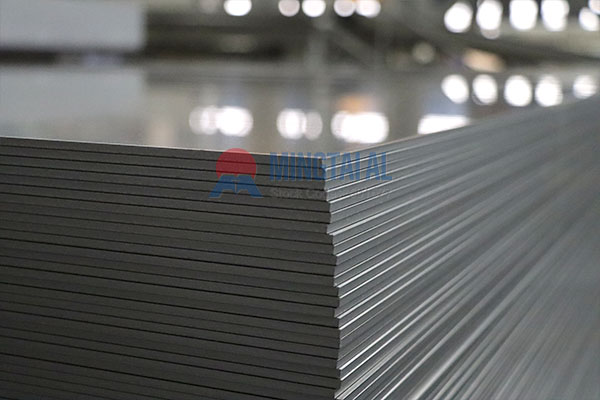
Sheet metal fabrication turns flat metal into enclosures, brackets, cabinets, panels, and protective covers through cutting, punching, bending, welding, and finishing. When the job calls for a material that bends cleanly, resists corrosion, and welds with confidence, 5052 aluminum sheet for sheet metal fabrication is a practical place to start. It is an aluminum-magnesium alloy, often described as a rustproof grade. It is stronger than pure aluminum, yet easier to form than harder alloys such as 5083.
Why 5052 Performs Well on the Shop Floor
5052 is not chosen by accident. It offers a balance that suits many fabrication departments.
- Bending and forming: It handles common fabrication operations such as laser cutting, punching, bending, rolling, and riveting. In the right temper, it resists cracking during tight bends.
- Corrosion resistance: The magnesium content helps it stand up to moisture, outdoor weather, and many industrial environments.
- Welding: It welds reliably, which makes it useful for cabinets, tanks, and welded enclosures.
- Moderate strength: It provides useful stiffness without the weight of steel, making it a good fit for covers, panels, and housings.
- Surface finishing: It accepts painting, brushing, anodizing, and other finishes, so it works for both visible and structural parts.
- Availability: It is a common alloy with broad supply, making it easier to source for both small custom runs and repeat production.
5052 vs. Stamping: Different Processes, Different Needs
Sheet metal fabrication is flexible. It is well suited to low and medium volumes, custom sizes, and designs that may change. Stamping, by contrast, depends on dedicated dies and is usually reserved for high-volume, repeated parts.
For fabrication work, 5052 offers room to adjust. A shop can cut, bend, punch, and weld without committing to expensive hard tooling. That flexibility is one reason it appears in so many enclosure and housing projects.
Common Tempers of 5052 Aluminum Sheet
Temper affects how the sheet behaves. The same alloy can feel soft and highly formable in one condition and much stiffer in another.
|
Temper |
Fabrication Behavior |
Typical Use |
|
O |
Fully annealed, very formable |
Deep drawing, complex flanges, severe forming |
|
H24 |
Half-hard, balanced strength and formability |
General fabrication, panels, brackets |
|
H32 |
Stabilized, good for welded structures |
Cabinets, tanks, vibration-prone housings |
|
H38 |
Full hard, strong but less formable |
Flat covers, trim, simple bends |
O Temper
O temper is the softest condition. It is chosen when the part needs deep drawing, complex flanging, or large-radius forming. Its lower strength means it may need added support in the final assembly.
H24 Temper
H24 is a common choice for general sheet metal work. It offers a useful mix of strength and formability, and it behaves predictably during routine bending, punching, and folding.
H32 Temper
H32 is stabilized, which helps it resist creep and distortion after welding. It is often selected for welded cabinets, fuel tanks, and parts exposed to vibration.
H38 Temper
H38 is much harder. It resists deformation well, but it is not the best choice for deep drawing or very tight bends. It suits flat panels, covers, and simple fabricated shapes.
Where 5052 Aluminum Sheet Is Used
5052 appears in many industries because it solves a common problem: how to make a lightweight part that will not rust away.
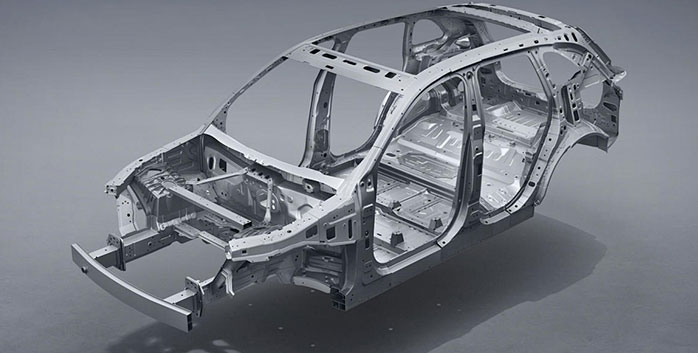
- Automotive fuel tanks: The alloy resists fuel exposure and welds into sealed shapes.
- Industrial cabinets and enclosures: It cuts, bends, and punches into equipment housings that remain stable in damp workshops.
- Inverter and electrical enclosures: It supports lightweight, welded housings that need protection from moisture and dust.
- Communication equipment: It forms shielded boxes, amplifier housings, and outdoor protective covers.
- Rail interiors: It creates lightweight panels, access covers, and support brackets.
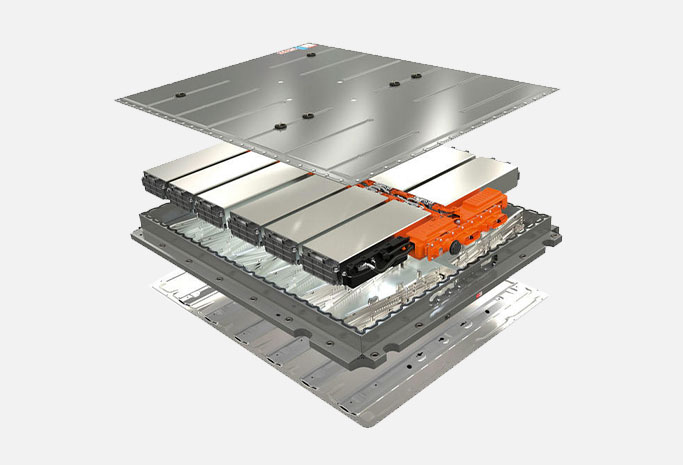
- Energy storage systems: It is used for cabinet doors, battery guards, module retainers, and heat shields.
- Security equipment: It forms camera housings, access control boxes, and outdoor control cabinets.
In many of these applications, 5052 reduces the need for constant repainting. It also gives designers a material that can be formed into complex protective shapes without becoming difficult to weld or finish.
Matching Temper to the Fabrication Method
Choosing the right temper before production can prevent cracking, distortion, and extra rework.
- Deep drawing or complex forming: Choose O temper.
- General bending, punching, and folding: Choose H24 or H32.
- Welded assemblies with vibration: Consider H32 for better stability.
- Flat covers and simple bends: H38 can work well when strength matters more than formability.
- Appearance-critical parts: Confirm the finishing route before selecting the temper.
When specifying 5052 aluminum sheet for sheet metal fabrication, it also helps to discuss flatness, surface quality, and temper consistency. These details affect cutting, bending, and final assembly more than many people expect.
Quality Details That Reduce Rework
A good sheet metal part starts with consistent material. Flatness helps laser cutting and bending stay accurate. Uniform temper helps bends behave the same way across the sheet. A clean surface helps welding, painting, and anodizing produce reliable results.
For welded housings, material stability after welding is important. For visible panels, surface appearance matters. For parts that will be anodized or painted, the alloy and temper should be confirmed early. Small material decisions often decide whether a fabrication run goes smoothly.
FAQ
Q: Is 5052 good for bending?
A: Yes, especially in O, H24, and H32 tempers.
Q: Can 5052 aluminum sheet be welded?
A: Yes, it welds well and is common in cabinets and tanks.
Q: Is 5052 stronger than pure aluminum?
A: Yes, it offers moderate strength while remaining formable.
Q: Can 5052 be anodized?
A: Yes, it accepts anodizing, painting, and brushing.
Q: Should I choose 5052 or 6061 for sheet metal?
A: Choose 5052 for bending and corrosion resistance; choose 6061 when higher strength and machining matter more.
Q: Does 5052 work outdoors?
A: Yes, it resists moisture and atmospheric corrosion well.
Where 5052 Fits in Your Fabrication Line
From fuel tanks and cabinets to inverter housings and energy storage parts, 5052 gives fabricators a dependable balance of formability, corrosion resistance, weldability, and finish quality. Henan Mingtai supplies 5052 aluminum sheet for sheet metal fabrication with stable quality and export support. Share your part drawings and working conditions, and we will help match the right temper and sheet specification to your project.