5083 Aluminum Coil for Power Battery Enclosures
As electric vehicles continue to pursue longer range, higher safety, and lower weight, the power battery enclosure has become more than a protective box. It is a structural and safety-critical part of the battery pack. Material choice directly affects pack efficiency, durability, and manufacturing cost. That is why 5083 Aluminum Coil for Power Battery Enclosures has become a practical option for engineers working on EV battery boxes, bottom plates, and module frames.
Steel once dominated battery enclosure design, but it is heavy and prone to corrosion. That weight reduces energy density and limits range. Aluminum changes the balance.
Why 5083 Aluminum Coil Fits Battery Enclosure Manufacturing
Steel is heavy. It corrodes. Both work against EV range and long-term reliability.
5083 aluminum offers a better balance.
Key benefits for battery enclosure manufacturing:
- Lightweight — helps improve energy density and range.
- Corrosion-resistant — performs well in humid, salt-spray, and coastal conditions.
- Weldable — supports sealed, durable battery boxes.
- Formable — especially in O temper for stamping, deep drawing, and complex shapes.
- No post-forming heat treatment — simplifies production.
It is not just light. It is practical to form, weld, and mass-produce.
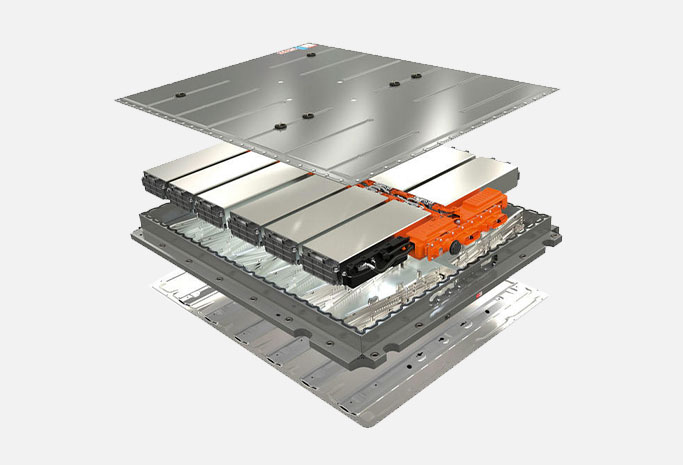
Where It Is Used in a Power Battery Pack
5083 Aluminum Coil for Power Battery Enclosures can be processed into several key parts inside a battery pack.
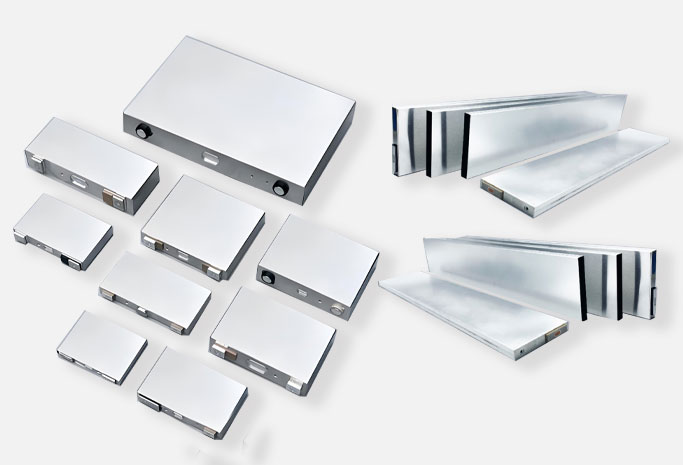
- Battery pack bottom plates and underbody shields
Good impact toughness helps protect battery cells during underbody impacts or road debris impact.
- Module side plates and partition plates
These parts can replace traditional steel, reducing weight while maintaining structural strength.
- Battery shells and enclosure frames
Excellent stamping formability supports complex structures, while reliable welding helps create sealed enclosures.
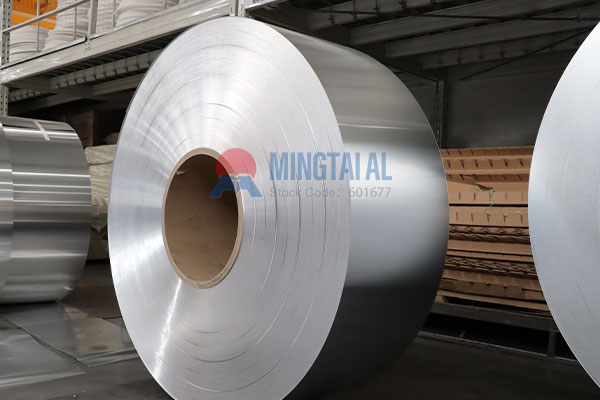
Supply Formats and Surface Quality
For battery enclosure production, coil supply is often chosen based on practical processing needs:
- Thickness: thin to medium gauges suitable for power battery enclosures.
- Width: custom widths to improve material utilization and reduce blanking waste.
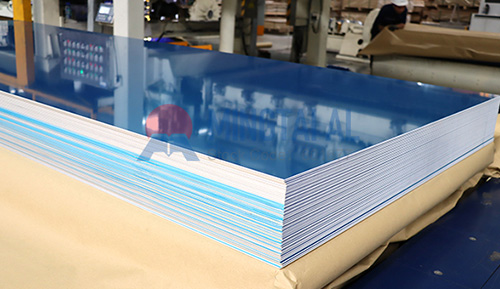
- Surface: single- or double-sided protective film, with strict control of flatness, scratches, and oil residue.
These details matter because battery pack parts need consistent forming and clean welding. A stable coil surface helps reduce defects and improve production efficiency.
What Makes 5083-O Coil Different?
5083-O is the fully annealed soft temper of 5083 aluminum. Through high-temperature recrystallization annealing, residual stress and work hardening from cold rolling are removed. The result is a uniform, fine, equiaxed grain structure. Among 5083 tempers, O temper offers the best ductility and toughness.
Lower yield strength, higher elongation
5083-O has relatively lower yield strength and hardness, but its elongation is significantly higher. This gives it strong cold deformation capacity. It can handle deep drawing, large-angle bending, and complex curved stamping.
For battery enclosure production, this means fewer defects such as cracking, wrinkling, and springback. The result is a higher production yield rate and more stable quality.
Forming first, strength after
After forming, battery enclosure shells, bottom plates, and protective structures gain useful strength. They can meet chassis load-bearing and impact resistance requirements. This creates a practical advantage: easy forming during production, and reliable strength in the finished part.
Core Advantages in Power Battery Enclosures
A battery enclosure lives a hard life.
Gravel impact. Road bottoming. Rain. Salt. Constant vibration. The material has to take all of it.
5083 aluminum coil handles these conditions in three ways:
1. Corrosion protection
A dense oxide film helps resist chloride, moisture, and acid and alkali attack. This reduces rust, leaks, and short-circuit risks.
2. Impact energy absorption
During underbody impacts or collisions, the material deforms instead of cracking. That helps protect cells and wiring.
3. Welding and sealing
5083 works with common automotive welding processes. Dense, sealed welds help meet waterproof and dustproof requirements.
The result is a lighter enclosure that still protects what matters.
Keeping Pace with CTP and CTC Trends
Battery packs are moving toward:
- Thinner walls
- Larger enclosures
- Higher integration
- Tighter forming precision
- More consistent welding
These trends require a material that forms accurately and welds reliably. 5083-O aluminum coil meets that need.
It is also used in:
- Energy storage battery boxes
- Precision protective components for automotive applications
- Other lightweight structural components
As rolling technology improves, grain refinement and cleaner surfaces help reduce defects. That supports high-quality mass production for the new energy sector.
FAQ
Q: Is 5083 aluminum coil suitable for power battery enclosures?
A: Yes, it combines lightweight strength, corrosion resistance, and reliable welding.
Q: Which temper is best for deep drawing?
A: 5083-O is preferred for deep drawing and complex forming.
Q: Can 5083 aluminum coil be welded?
A: Yes, it works with common automotive welding methods.
Q: What parts can it be used for?
A: Bottom plates, side plates, partition plates, and enclosure frames.
Q: Does it require heat treatment after forming?
A: No, it is a non-heat-treatable alloy and gains strength through work hardening.
A Supply Partner for Battery Enclosure Programs
Mingtai Al Industry supplies 5083 Aluminum Coil for Power Battery Enclosures with stable quality, custom specifications, and responsive support for EV and energy storage projects. For battery enclosure programs that need reliable material and consistent supply, Mingtai Al Industry is ready to help.