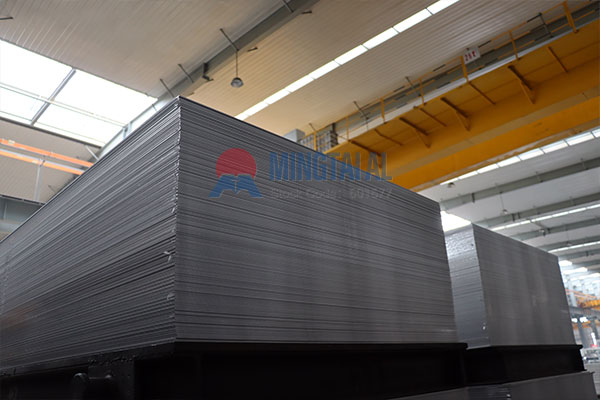
5083 Aluminum Sheet H321/H116
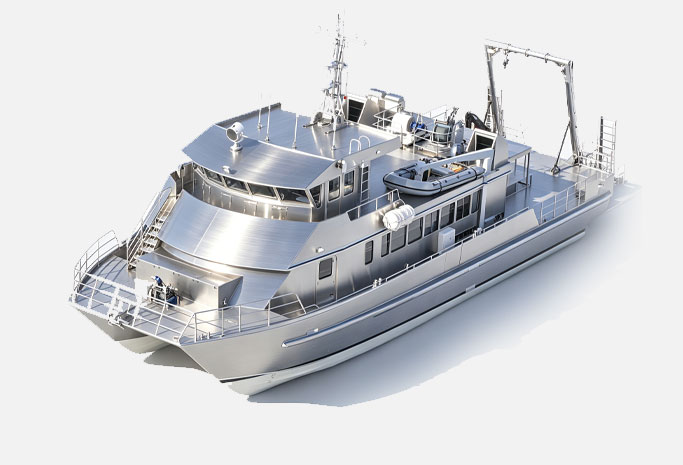
For hulls, decks, bulkheads, and other seawater-exposed structures, 5083 aluminum sheet h321/h116 is a practical and widely recognized marine aluminum choice. It combines seawater corrosion resistance, weldability, low-temperature toughness, and structural reliability in a balanced way that suits demanding shipbuilding work.
Why Marine Builders Choose 5083
5083 is an aluminum-magnesium alloy in the 5xxx series. It is non-heat-treatable, so its strength comes from controlled processing rather than post-weld heat treatment. For marine service, that matters because fabrication involves welding, cutting, forming, and assembly on a large scale.
Its main advantages are straightforward:
- Good resistance to seawater, salt spray, and chloride-bearing environments
- Reliable welding performance with suitable filler metals
- Good toughness in low-temperature service
- Lower density than steel for lightweight vessel design
- Stable performance in hull, deck, and tank structures when the correct temper is used
Short version: 5083 is not selected because of a single headline property. It is selected because it performs well across the whole marine fabrication and service chain.
H116 and H321 Tempers in 5083 Aluminum Sheet H321/H116
Temper selection is important. H116 and H321 are controlled tempers developed for marine service, especially where resistance to exfoliation corrosion and stress corrosion cracking matters.
H116
H116 is commonly specified for marine plate exposed to seawater. It is intended to provide stable corrosion performance in splash zones, hull areas, and other demanding locations.
H321
H321 is also used in marine applications where controlled processing and corrosion resistance are required. It supports reliable mechanical performance while maintaining the alloy’s marine advantages.
For formed or bent parts, softer tempers such as O or H111 may be more suitable. H112 should generally be limited to non-critical secondary applications and should not be used for underwater hull panels or splash-zone structures.
Marine Performance at a Glance
|
Marine Requirement |
How 5083 H116/H321 Supports It |
|
Seawater exposure |
Good resistance to chloride environments and marine corrosion |
|
Welded construction |
Suitable for MIG/TIG welding with appropriate filler |
|
Low-temperature service |
Retains toughness for cold-region and tank applications |
|
Weight reduction |
Lower density than steel for lighter vessel structures |
|
Classification |
Available with classification society approval depending on mill and project |
Matching Shipbuilding Requirements
Marine aluminum is not judged by ordinary industrial standards. It must support safety, durability, fabrication efficiency, and traceability.
Corrosion performance
- Resistance to seawater and salt spray
- Resistance to exfoliation corrosion
- Resistance to intergranular attack and stress corrosion cracking
- Suitability for ballast tanks, hull outer plating, and splash zones when the correct temper is specified
Weldinga nd fabrication
5083 is well suited to MIG and TIG welding. Fabricators should select the correct filler wire, control heat input, and follow qualified welding procedures. Because the alloy is non-heat-treatable, post-weld heat treatment is generally not required.
Forming and flatness
Marine plate must be cut, machined, and assembled into large panels. Good flatness, consistent thickness tolerance, and clean surfaces help reduce fit-up problems. Plate should be free from cracks, peeling, pressure marks, and other surface defects that could affect fabrication or service performance.
Where 5083 H116/H321 Is Commonly Used
- Hull outer plating
- Decks and bulkheads
- Superstructures
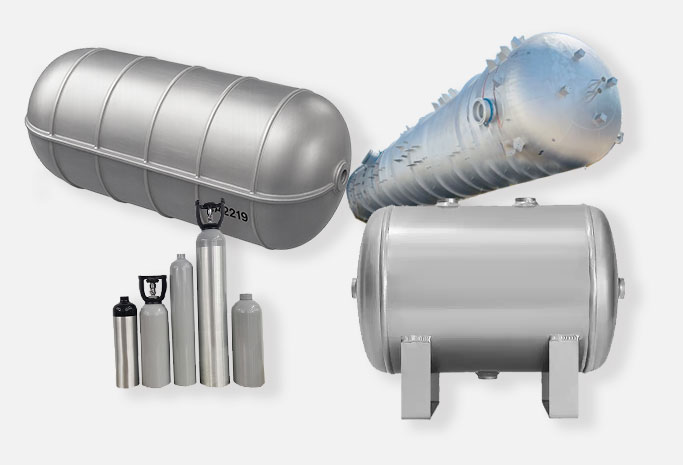
- Ballast water tanks
- High-speed craft, workboats, patrol vessels, and yachts
- Offshore and marine auxiliary structures
For splash zones and underwater hull areas, H116 or H321 is generally preferred. For curved or heavily formed components, softer tempers may be more suitable.
How 5083 Compares with 5086 and 6xxx Alloys
5086 is also used in marine work and can offer good formability, but its strength and seawater corrosion performance are generally considered lower than those of 5083. It is often used in smaller craft and superstructures.
6xxx alloys may offer extrusion flexibility and machinability, but their seawater corrosion resistance is not usually sufficient for submerged hull structures. For a balanced combination of strength, corrosion resistance, welding, and low-temperature toughness, 5083 remains a common specification for marine designs.
What Stable Marine Sheet Supply Requires
Producing marine-grade aluminum sheet is more demanding than supplying general industrial plate. The difference is not only the alloy grade. It is the process control, approval, traceability, and delivery consistency behind it.
Equipment and process control
Marine plate requires suitable hot rolling, wide rolling capability, controlled thermal treatment, and flatness correction. H116 and H321 tempers depend on precise process control. Chemistry must be tightly managed, while melting and casting must control hydrogen content to avoid porosity and delamination.
Classification society approval and traceability
Marine plate is normally supplied under classification society approval such as CCS, ABS, BV, or LR, depending on the project. Each batch should be traceable by heat number and batch number, with material certificates available. Mills must also maintain consistent quality across repeated production runs.
Batch delivery and specification range
Shipbuilding projects often require mixed specifications: thin deck plate, thicker hull plate, wide panels, and long cut-to-length sheets. A reliable supplier needs coordinated production, inventory, and scheduling to support shipyard timelines.
FAQ
Q: Is 5083 Aluminum Sheet H321/H116 used for hulls and decks?
A: Yes, it is commonly specified for hull, deck, bulkhead, and superstructure applications.
Q: Can 5083 H116/H321 be welded?
A: Yes, it is commonly welded with suitable filler metal and qualified procedures.
Q: Is 5083 suitable for splash-zone structures?
A: Yes, H116 and H321 are appropriate when specified for seawater-exposed splash zones.
Q: Can 5083 be used in low-temperature marine service?
A: Yes, it retains good toughness for cold-region and low-temperature tank applications.
Matching the Alloy to the Marine Application
The right alloy and temper should be selected together with the service location, welding procedure, forming method, and classification requirements. Henan Mingtai Al Industry supplies marine aluminum sheet with a focus on stable quality and project-ready service; the team can help match the right 5083 plate specification to the vessel design.