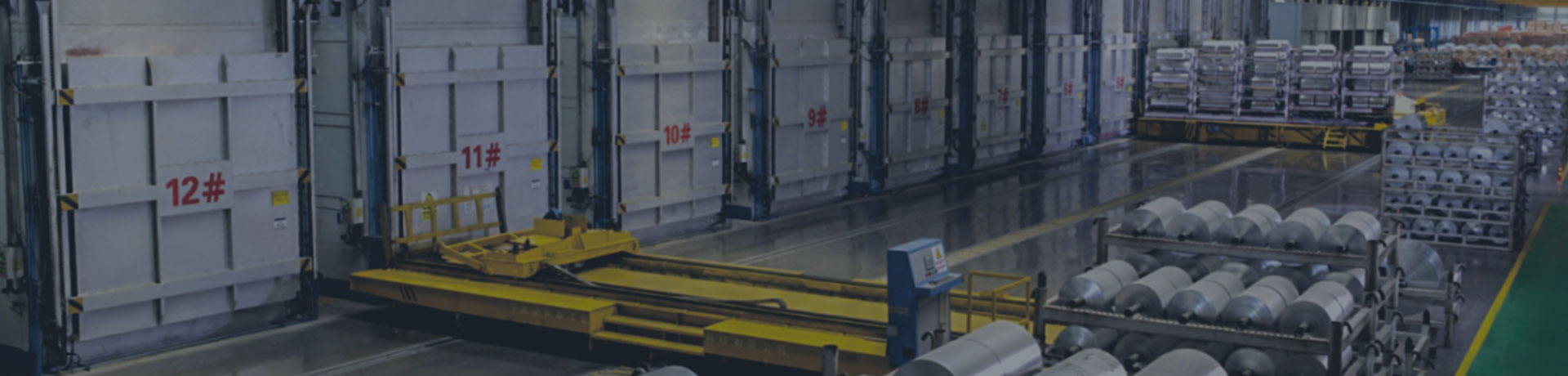
6061 aluminum sheet
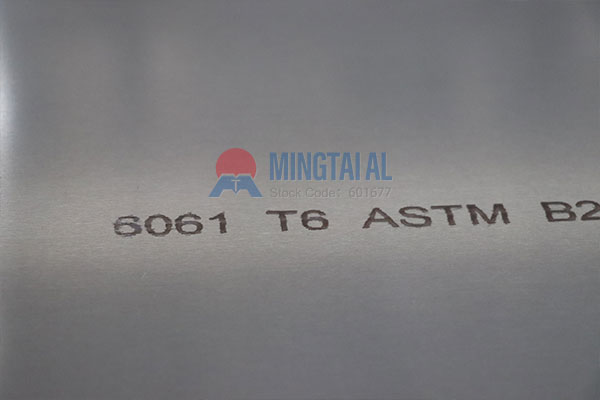
A 6061 aluminum sheet is a heat-treatable magnesium-silicon alloy that balances strength, machinability, corrosion resistance, and weldability. It is not the hardest aluminum grade, nor the lightest, but that middle ground is why it appears in machine frames, transport parts, tooling, and general industrial components. It suits projects that need a stable metal that can be cut, drilled, welded, and finished without unnecessary complexity.
What the Alloy Offers
6061 belongs to the aluminum-magnesium-silicon family. Magnesium and silicon form strengthening phases during heat treatment, so the material can move from soft forming conditions to higher-strength tempers.
In industrial work, T6 is often chosen for structural parts, T651 for parts that will be heavily machined, and O temper for bending or forming. The final choice should follow the part’s load requirements, machining plan, and surface treatment.
Mechanical behavior
In T6 condition, the sheet offers moderate strength with useful yield and tensile performance. It is stronger than pure aluminum grades and easier to weld than many ultra-high-strength aluminum alloys.
Formability is adequate for common fabrication, and the alloy holds dimensions well after cutting and milling. For many mechanical parts, this balance reduces the need to choose between strength and workshop practicality.
Fabrication and Workshop Behavior
Fabricators value 6061 for predictable handling. It can be welded, bent, drilled, milled, turned, and finished with familiar equipment. Cutting tools should match the temper, and heat input during welding should be controlled because the heat-affected zone can lose strength.
Useful characteristics include:
- Good machinability and clean cuts
- Stable dimensions after machining in suitable tempers
- Takes anodizing, painting, and powder coating well
- Lower density than steel, helping reduce part weight
- Good thermal and electrical conductivity for general industrial use
Corrosion resistance is another practical advantage. The alloy performs well in normal atmospheric conditions, and anodizing creates a uniform film that supports both protection and appearance.
For coastal or high-salt environments, review the actual exposure and consider a suitable coating system or an alloy with higher corrosion resistance.
Tempers and Their Role
Temper is not a minor detail; it changes how the sheet behaves on the shop floor.
1. T6: A common choice for structural components, brackets, frames, and parts that need strength after machining.
2. T651: Stretched and stress-relieved to reduce internal stress, making it a sensible option for extensive cutting, milling, or high-precision work where distortion is a concern.
3. O temper: Soft and highly formable, suited to deep bending and shaping before later heat treatment or forming steps.
Choosing the wrong temper can create avoidable problems. A strong condition may be difficult to form, while a soft condition may not hold the required shape or strength. The part drawing, machining sequence, and finishing route should guide the decision.
Where It Fits in Real Projects
The alloy’s balance makes it useful across several industrial categories.
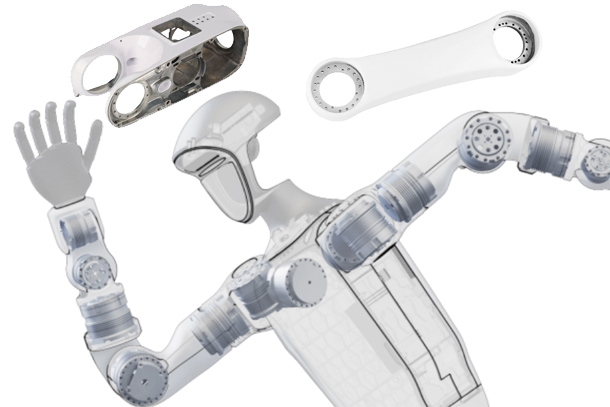
- Machine building and automation: Frames, base plates, worktable surfaces, guards, jigs, and fixture components. The sheet supports structural loads while helping reduce overall equipment weight.
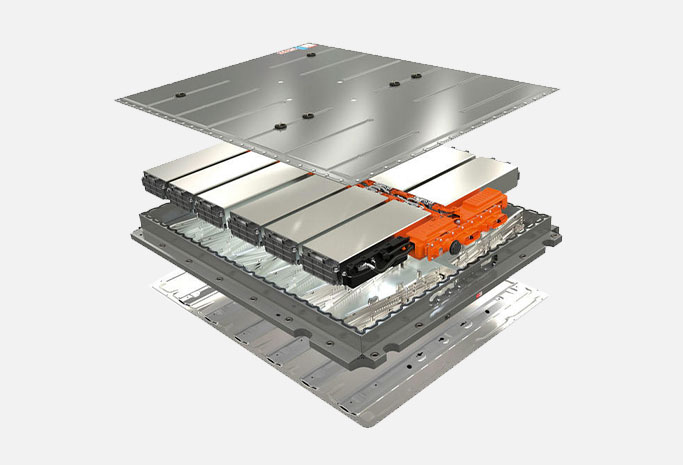
- Transport and equipment support: Rail interior parts, automotive components, chassis-related parts, renewable-energy equipment brackets, and lightweight trailer sections. Weldability and weight savings are often central here.
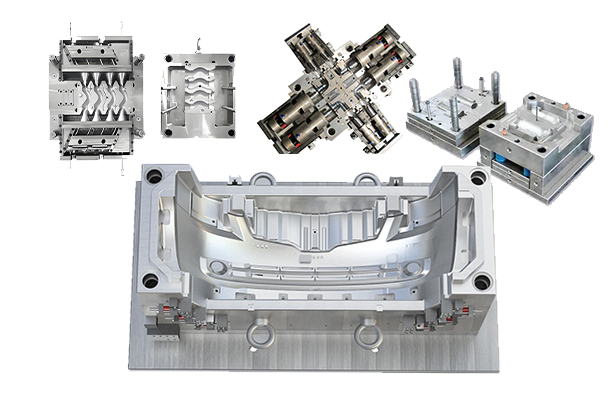
- Tooling and fixtures: Simple molds, inspection fixtures, jigs, foam molds, and tooling plates. Moderate hardness and easy cutting support short machining cycles, and the weight advantage over steel is clear in many workshop setups.
- Metalwork and building elements: Structural brackets, curtain-wall fittings, backing plates for industrial profiles, and outdoor equipment housings. Anodizing or coating can combine corrosion protection with a clean finished look.
- General industrial parts: Flanges, connectors, heat-sink bases, and mechanical fittings where conductivity and machinability matter.
Surface, Welding, and Stability Notes
Anodizing is one of the most common finishes for 6061. The oxide layer accepts dye well and provides a neat, durable surface for visible parts. Painting and powder coating also work well when the surface is properly prepared.
Welding is practical, but joint design and post-weld strength requirements should be considered early. For T651, stress relief helps lower the chance of movement after large cuts, which is why it is often preferred for precision machining sequences.
Choosing the Right Condition
When specifying a 6061 aluminum sheet, start with the function of the finished part.
If strength is the main requirement, T6 is usually the first condition to review. If the part will be cut into complex shapes or machined heavily, T651 may reduce distortion risk. If bending or forming comes before final strengthening, O temper may be more suitable.
For outdoor service, plan the surface treatment from the beginning. Anodizing or coating should be part of the drawing and process plan, not an afterthought. In coastal or aggressive environments, review the exposure with the supplier and decide whether a more corrosion-resistant grade is more appropriate.
FAQ
Q: Is 6061-T6 weldable?
A: It can be welded, but strength near the weld will be reduced.
Q: Should I choose T651 for heavy machining?
A: Yes, T651 is often selected when extensive cutting or milling is planned.
Q: Can 6061 be anodized?
A: Yes, it anodizes well and accepts color evenly.
Q: Is 6061 suitable outdoors?
A: It performs well in normal atmosphere, especially with anodizing or coating.
Before You Order
Confirm the temper, surface finish, machining route, and delivery requirements before placing an order. Henan Mingtai Al Industry supplies 6061 aluminum sheet direct from the mill with custom processing and manufacturer-backed quality assurance, supporting stable supply for industrial programs.