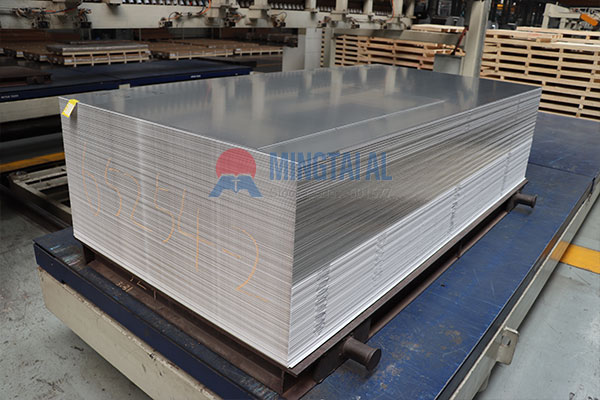
5052 aluminum sheet
5052 aluminum sheet is the workhorse of the aluminum-magnesium family: it won't heat-treat to high strength, but it resists corrosion, forms well, and welds cleanly. That combination is why it turns up in fuel tanks, bus skins, boat parts, pressure vessels, and electronic enclosures.
Magnesium sits in the 2.2–2.8% range, with a small chromium addition to control grain size — the basis of its balance between strength, formability, and cost.
What makes 5052 corrosion resistant?
It comes down to what's kept out: copper is capped at 0.10% max, and that single limit does most of the work.
Magnesium is the strengthening element. It dissolves into the aluminum and strain-hardens during rolling, rather than forming brittle intermetallic phases. Chromium is a minor addition with a specific job — refining grain structure and helping the material resist stress-corrosion cracking.
The rest is housekeeping. Iron and silicon are treated as impurities and kept low, since iron in particular can drag down corrosion resistance if it climbs.
Which temper should you specify?
Match the temper to the forming operation: O for deep drawing, H32 for bending, H34 or H38 for flat panels that need stiffness.
This is where most specification mistakes happen. 5052 hardens only by cold work, so the temper designation is the real specification — same chemistry, different temper, different material on the shop floor.
- O (annealed): softest condition, elongation above 20%. For deep drawing, complex stretching, fuel tanks, reflectors.
- H32: quarter-hard. Bends well, carries useful strength. The default for most bent sheet-metal work.
- H34: half-hard. Stiffer than H32, still workable. Good for general panels.
- H38: full hard. Highest strength of the common tempers, limited ductility. Flat panels, not tight bends.
- H112: hot-worked condition, more common in plate than thin sheet.
What is 5052 aluminum sheet good for?
Corrosion resistance, forming, welding, and weight savings — four properties that rarely come together at this price point.
- Forming. In O temper, elongation above 20% allows deep drawing with limited springback. Even H32 bends well: keep the inside radius at about 1.5× thickness or more, and bend across the rolling direction rather than with it to reduce cracking risk.
- Welding. TIG and MIG both work, with ER5356 filler as the usual match. Welded joints retain a useful share of parent-metal strength.
- Weight. At a density of 2.68 g/cm³, the sheet weighs about one-third of steel for the same volume.
- Finishing. Anodizing, painting, and laminating all work. One caveat: anodized 5052 reads as a light grey with a slightly muted tone rather than the bright clear finish of 1xxx grades like 1060. For appearance-critical parts, sample first.
Where it's used
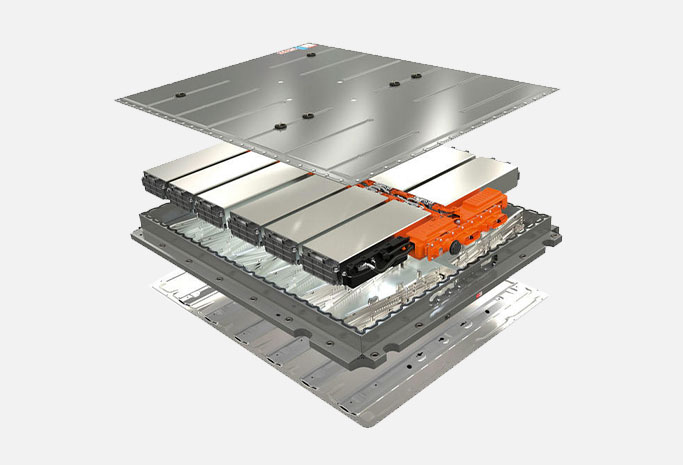
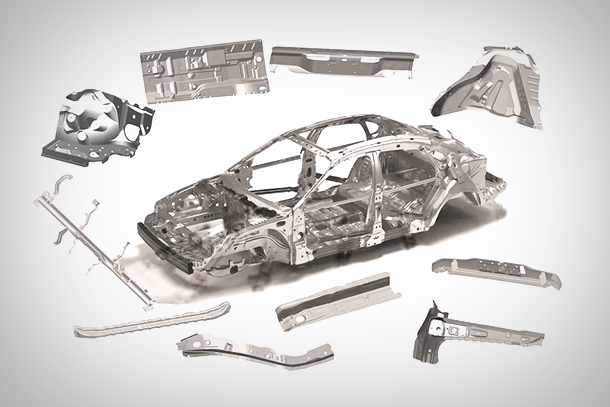
- Automotive and transport: fuel tanks, tanker shells, bus body skins, EV battery enclosures, truck cab parts
- Marine: superstructures, deck fittings, oil and water tanks, outboard brackets
- Pressure vessels: LNG and chemical storage liners, gas cylinders, liquid containers
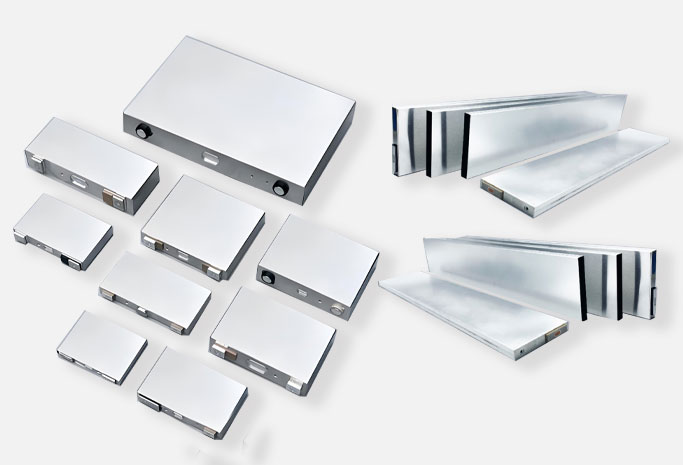
- Electronics: chassis, enclosures, heat-dissipation parts, stamped structural components
- Architectural: coastal facades, canopies, traffic signs, light poles
5052 vs 6061 vs 5083 — which one?
5052 for corrosion and forming, 6061-T6 for load-bearing structure, 5083 for heavier welded marine work.
- vs. 6061: high strength and machining point to 6061; rust resistance and complex shapes point to 5052.
- vs. 3003: 3003 is the lower-cost general-purpose corrosion-resistant sheet; 5052 buys more strength and better marine performance.
- vs. 5083: 5083 is the step up for heavier welded structures and higher strength demands; 5052 stays the more economical marine-grade sheet for skins and components.
FAQ
Q: 5052 or 6061 — which should I pick?
A: 5052 for corrosion resistance and forming, 6061 for higher-strength structural parts.
Q: Does 5052 crack when bent?
A: Not in H32 or softer, if the inside radius is at least 1.5× thickness and the bend runs across the rolling direction.
Q: What thicknesses are available?
A: Thin sheet from about 0.3 mm upward is standard, with heavier plate for welded structures and machining.
Q: Can 5052 be anodized?
A: Yes, though the finish reads light grey rather than bright clear — sample appearance-critical parts first.
Q: What filler wire for 5052?
A: ER5356 for both TIG and MIG.
Temper first, then grade
The grade name alone doesn't tell a mill what to supply — the temper does. Deep-drawn parts belong in O, bent sheet metal in H32, flat panels in H34 or H38.
In marine service, 5052 is a sound first choice. If the structure is heavier and more highly stressed, 5083 is the next conversation.
Henan Mingtai Al Industry supplies 5052 aluminum sheet and coil across multiple tempers and specifications, including wide and heavy-gauge formats for large components that would otherwise need extra seams.