Diamond-Patterned Aluminum Plate
When you need a lightweight, clean-looking anti-slip sheet with one-way traction, a diamond-patterned aluminum plate can be a practical choice. In the aluminum tread plate family, this name usually refers to the single-rib or pointer-pattern product: a sheet with one continuous raised rib running across the surface. It is different from five-bar, three-bar, lentil, and orange-peel patterns.
What Is a Diamond-Patterned Aluminum Plate?
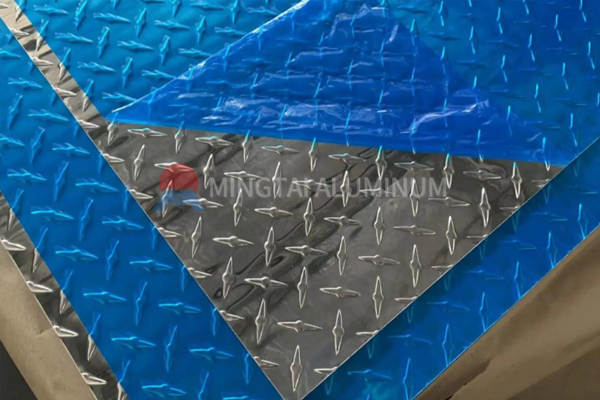
Also known as pointer-pattern or gem-pattern aluminum plate, this product is made by hot rolling or roll embossing a single raised rib into the aluminum surface. The rib runs in long, parallel lines, giving the sheet a simple, industrial look and a clear direction of slip resistance.
Surface Pattern at a Glance
- One continuous raised rib, running in long parallel lines
- Rounded edges that help reduce scratches on people and rubber pads
- Pattern formed on one side; the back stays smooth for welding, adhesive bonding, and bending
- Rib height and sheet thickness can be produced to order within normal rolling capabilities
- Open, simple surface that resists dust and water build-up
- Rib is formed into the metal, so it does not peel or shed like applied anti-slip tape
The slip resistance comes from that single rib. It works best when force moves across the rib direction. For multi-directional foot traffic, five-bar tread plate is usually the better choice.
Main Applications
Single-rib tread plate is often chosen for directional slip resistance, lightweight decoration, and equipment guards.
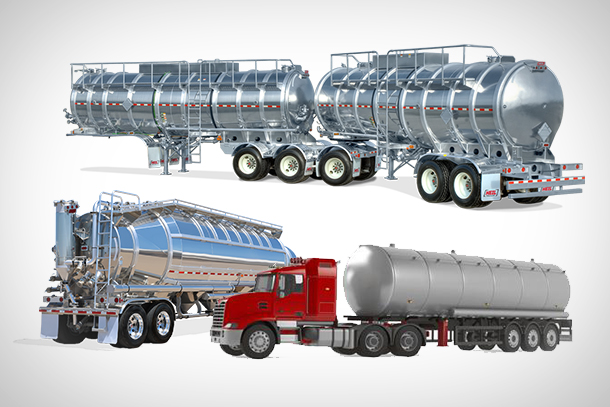
- Vehicle manufacturing: truck cabin steps, RV steps, bus entry steps, and one-side ladders on construction machinery. These parts often need lower weight and traction in one direction.
- Buildings and stairs: simple ramps, maintenance walkways, steel stair side treads, and anti-slip thresholds in workshops.
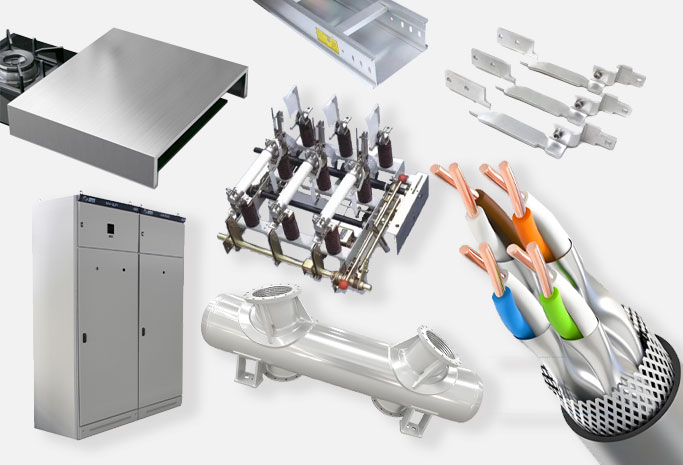
- Equipment housings: protective covers for electrical and mechanical equipment, generator base guards, and side guards on production lines.
- Marine and container accessories: local walkways in ship cabins and simple steps inside containers. Aluminum resists moisture and keeps weight down.
- Decorative use: industrial showroom walls, equipment room panels, and minimalist interior features.
Alloy Options and Performance
Base alloy choice changes strength, corrosion resistance, and forming. For single-rib tread plate, 1xxx, 3xxx, and 5xxx alloys are common; 6xxx is used for special machined parts.
1xxx Pure Aluminum (1060)
Good formability, bending, stamping, welding, and surface oxidation. Lower strength and hardness. Best for indoor decorative guards and light equipment covers, not heavy foot traffic.
3xxx Aluminum-Manganese (3003)
Manganese improves rust resistance. Stronger than 1xxx, still easy to bend and stamp. Good weather resistance in damp air. Common for outdoor light steps, RV steps, and wet workshop walkways.
5xxx Aluminum-Magnesium (5052 / 5083)
Magnesium raises strength, tensile performance, impact resistance, and marine corrosion resistance. Excellent toughness. Preferred for ship steps, heavy truck treads, offshore equipment platforms, and construction machinery ladders.
6xxx Aluminum-Magnesium-Silicon (6061)
Heat-treatable and machinable. Welding is acceptable. Rolling the pattern is more difficult and cost is higher. Used for high-strength equipment pads that need later machining.
How to Choose the Right Plate
1. Check the environment: indoor, outdoor, or marine.
2. Define the load: light foot traffic, heavy steps, or equipment support.
3. Confirm the process: bending, welding, adhesive bonding, or machining.
4. Match the alloy: 1060 for indoor light use; 3003 for damp outdoor conditions; 5052 or 5083 for heavy loads and marine work; 6061 for machined, high-strength parts.
5. Consider the pattern direction: single-rib is for one-way slip resistance; five-bar is better for open platforms with traffic from many directions.
Stock sizes may be limited. Large or special orders can be custom produced. This is where a mill with pattern and alloy experience helps.
Single-Rib vs Five-Bar
Five-bar tread plate is the general-purpose choice for platforms, truck beds, and factory floors because it grips in multiple directions. Single-rib plate is more focused. It gives one-way traction, a cleaner look, and often a lighter feel. That makes it a good fit for steps, equipment guards, and decorative panels where the traffic direction is predictable.
Price matters, but it should not be the only factor. Look at force direction, load, corrosion, and fabrication. The wrong pattern can create a safety risk or add unnecessary weight.
FAQ
Is this the same as five-bar tread plate?
No, it has one raised rib for one-way slip resistance.
What other names does it use?
It is also called single-rib, pointer-pattern, or gem-pattern aluminum plate.
Which alloy suits outdoor use?
3003 is a common choice for damp outdoor conditions.
Which alloy suits heavy loads?
5052 or 5083 is often chosen for heavy-duty and marine use.
Can it be custom produced?
Yes, patterns, alloys, and sizes can be made to order.
Choose the Right Surface for the Job
When you choose a Diamond-Patterned Aluminum Plate, match the rib direction, alloy, and thickness to the actual use. Do not select by price alone. For a reliable supply of tread and decorative aluminum sheets, Henan Mingtai Aluminum offers multiple patterns and alloys with export-ready service.