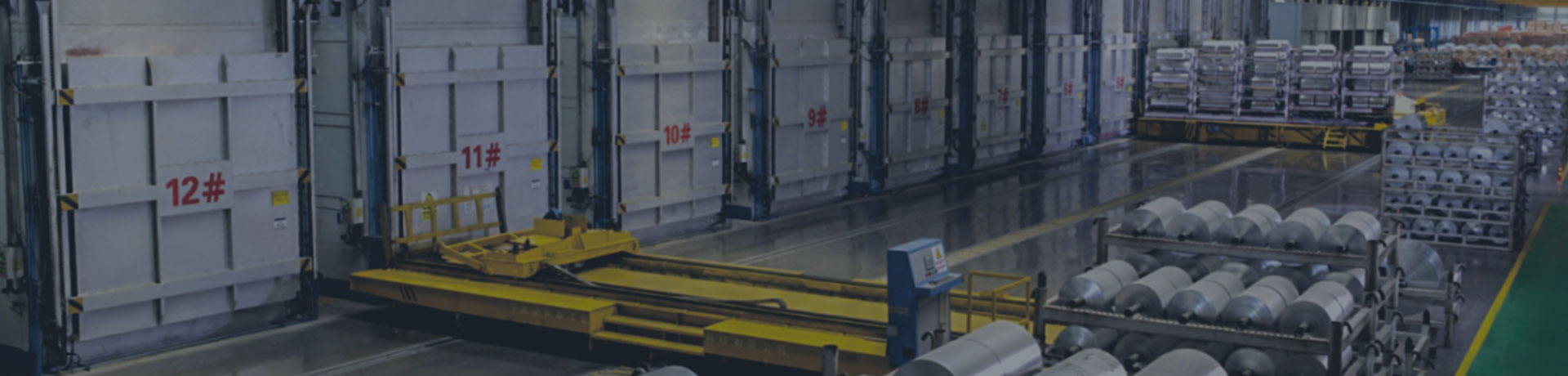
bare aluminum coils for architectural color coating
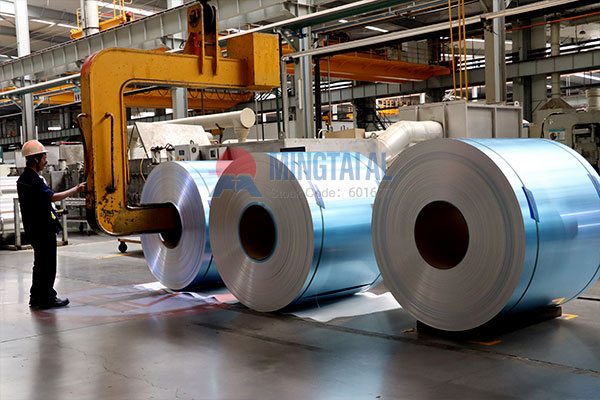
When a coating line needs a reliable substrate for painted architectural panels, bare aluminum coils for architectural color coating are where the process begins. The coil itself is not yet painted. It is the clean, flat aluminum base that will be pretreated, roll-coated, and cured into a color-coated coil. The choice of base alloy affects formability, strength, corrosion resistance, and how well the final coating performs. For architectural work, 3003 and 3004 are the two most practical choices.
What Is Color Coated Aluminum Coil?
Color coated aluminum coil is also called prepainted aluminum coil. It is made in a continuous roll-coating process.
1. Start with an aluminum or aluminum alloy coil.
2. Pretreat the surface.
3. Apply one or more coating layers.
4. Cure the coating in an oven.
The aluminum core keeps the material light and corrosion-resistant. The coating adds color, weather resistance, stain resistance, and self-cleaning performance.
In architecture, it is widely used for curtain walls, roofing, and ceilings. Unlike color coated steel, aluminum does not rust, so it can last longer and need less maintenance. That makes it a practical choice for public buildings, factories, logistics parks, and prefabricated construction.
Common Base Alloys
When selecting bare aluminum coils for architectural color coating, the base alloy is the first decision. The base metal usually comes from 1xxx pure aluminum, 3xxx aluminum-manganese alloys, or 5xxx aluminum-magnesium alloys. Each family behaves differently.
- 1060 pure aluminum coil: high purity, good plasticity, easy bending, good corrosion resistance, but lower strength. Common for indoor ceilings and decorative panels, not for long-span roofs or load-bearing parts.
- 3003 aluminum-manganese coil: the most widely used architectural coating substrate. Manganese improves strength, corrosion resistance is excellent, and formability is balanced. It is a standard choice for roofs and exterior wall panels.
- 3004 aluminum-manganese-magnesium coil: adds magnesium to the 3003 formula. It offers higher strength, better dent resistance, and better fatigue performance, making it suitable for long-span roofs and standing seam systems.
- 5052 aluminum-magnesium coil: higher strength and strong resistance to marine atmosphere. It is often used for coastal facades and roofs, though it costs more than 3xxx substrates.
3003 Color Coated Aluminum Coil Substrate
Alloy type: aluminum-manganese rustproof alloy.
What it does well
- Strong rust resistance
- Good bending and roll forming
- Medium strength for standard architectural use
- Good welding performance
- Better atmospheric corrosion resistance than pure aluminum
- Stable adhesion with polyester and fluorocarbon coatings
Where to watch out
- Lower strength than 3004
- Weaker dent resistance in high-wind or long-span roof conditions
Best fit: interior ceilings, exterior decorative panels, and cost-sensitive architectural projects.
3004 Color Coated Aluminum Coil Substrate
3004 adds magnesium to the aluminum-manganese base. That makes it a high-strength rustproof aluminum.
|
At a glance |
3004 |
|
Strength |
Higher than 3003 |
|
Wind and hail impact |
Better |
|
Fatigue performance |
Strong |
|
Formability |
Good, but slightly below 3003 |
|
Deep drawing |
A little harder |
|
Cost |
Higher than 3003 |
|
Best use |
Long-span roofs, standing seam systems, airports, rail stations, large factories |
It handles wind pressure, hail impact, and long-term temperature changes well. For profiled roofing, it is often the safer choice. For simple decorative panels, 3003 may be more cost-effective.
A simple way to choose: for standard indoor ceilings and exterior decorative panels, 3003 is usually enough. For profiled roofs and standing seam roofs, 3004 is often the better fit.
Typical Specifications and Supply Conditions
|
Item |
Common architectural supply |
|
Thickness |
0.7–2.0 mm |
|
Width |
1000 mm, 1200 mm, 1250 mm, 1500 mm |
|
Custom slitting |
Available |
|
Coil weight |
Often 2–5 tons per coil, subject to order |
|
Temper |
H24 most common; H26 also available |
|
Surface |
Clean and flat, suitable for coating lines |
These are common ranges, not fixed limits. Final specs depend on the project, coating line, and end use.
H24 balances strength and formability, so bending and roll forming are less likely to crack. It also helps finished panels stay flat and resist warping.
Main Applications of 3003 and 3004 Aluminum Coils
- Metal roofing: standing seam roofs for high-speed rail stations, airports, exhibition centers, large factories, and warehouse logistics parks.
- Architectural facades: aluminum panel substrates for office buildings and commercial complexes, with long-term resistance to fading and chalking.
- Interior decoration: ceilings, interior wall panels, and access panels in public spaces. Lightweight, fire-resistant, and easy to install.
- Prefabricated buildings: prefab wall panels and insulation composite panel faces.
- Other uses: eaves, rainwater downpipes, sunshades, and exterior door and window trim.
For architecture, 3003 and 3004 aluminum-manganese alloys cover most needs. 3003 leans toward decoration and cost efficiency. 3004 leans toward high-strength, impact-resistant roofing. With lightweight, long-life, and recyclable advantages, color coated aluminum coil has become a core material in modern metal envelope systems for large public and prefabricated buildings.
Note: The base supplier usually provides bare aluminum substrate, not the final coating. Coating is applied later by qualified color coating lines.
What to Confirm Before Ordering
Before placing an order, confirm alloy, temper, thickness, width, coil weight, surface quality, and delivery schedule. Ask for sample coils if your coating line is testing a new substrate. The cleaner and flatter the bare coil, the more consistent the final color coating will be.
Mingtai Aluminum Industry focuses on bare aluminum substrate production and does not apply coatings. For coating lines that need clean, flat 3003 and 3004 bare aluminum coils for architectural color coating, Mingtai Aluminum Industry can supply H24/H26 coils in common architectural sizes.
FAQ
Q: What is the best base alloy for architectural color coating?
A: 3003 and 3004 are the most common choices.
Q: Which is stronger, 3003 or 3004?
A: 3004 is stronger.
Q: Which alloy is better for standing seam roofs?
A: 3004 is usually preferred.
Q: What temper is common for architectural use?
A: H24 is widely used.
Q: Can the coil be slit to a custom width?
A: Yes, custom slitting is generally available.