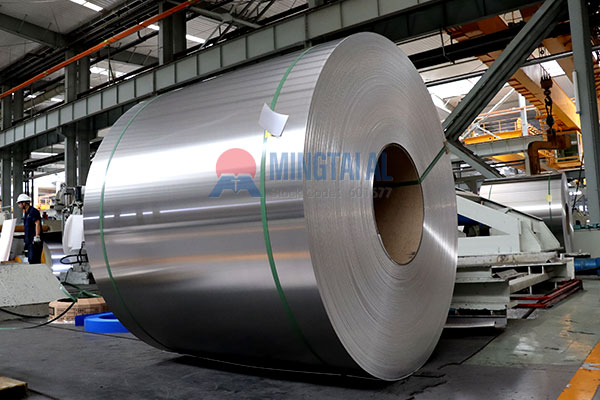
5182 Aluminum Coil
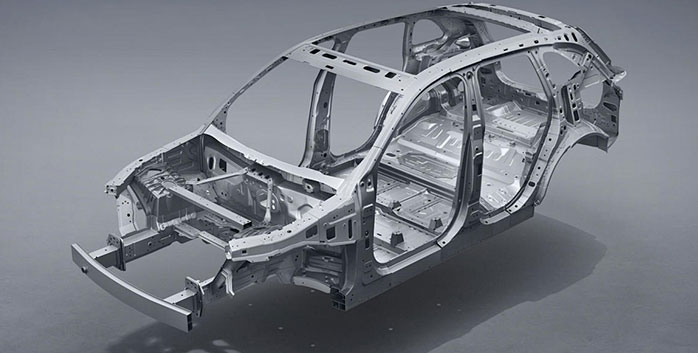
Automotive lightweighting is not simply about using less metal. It is a systematic effort to reduce vehicle weight while maintaining strength, stiffness, crash safety, and durability. Among the materials that support this goal, 5182 Aluminum Coil has become a practical choice for passenger vehicle inner panels and components that require formability, corrosion resistance, and reliable energy absorption.
Why Lightweighting Matters
Lower vehicle weight can reduce fuel consumption and improve range for electric vehicles. It also supports better handling, braking performance, and tire life. For new energy vehicles, lightweighting is especially important because battery systems add significant weight.
Three paths to lighter vehicles
- Structural lightweighting — optimizing geometry and load paths.
- Process lightweighting — using advanced forming, joining, and manufacturing methods.
- Material lightweighting — replacing heavier materials with lighter alternatives.
Aluminum sits at the center of material lightweighting for many passenger car programs.
Why Aluminum Alloys Are Preferred
Aluminum has a lower density than steel, so properly designed aluminum components can reduce weight significantly. It also offers a balanced mix of properties that matter in vehicle production.
- Good formability — aluminum can be rolled into coil and sheet, then stamped into complex shapes. It can also be cast into housings and structural parts.
- Corrosion resistance — aluminum naturally forms a dense oxide film that helps resist moisture and salt spray.
- Energy absorption — in a crash, aluminum can deform plastically and absorb impact energy.
- Recyclability — aluminum has strong recycling value and supports circular manufacturing goals.
Compared with magnesium, aluminum is generally more stable in real-world automotive conditions. Compared with carbon fiber, aluminum has a more mature supply chain and more predictable mass-production economics. That is why it remains a leading choice for lightweight vehicle programs.
What Is 5182 Aluminum Coil?
5182 Aluminum Coil is a 5xxx Al-Mg alloy made for parts that need formability, corrosion resistance, and reliable strength.
Quick profile
- Alloy family: 5xxx Al-Mg
- Main alloying elements: Magnesium, with a small amount of manganese
- Strengthening: Work hardening — not heat treatment
- Common tempers: O, H111, H19
- Standout properties: Anti-rust, deep drawing, welding, surface quality
Temper guide
|
Temper |
What it gives you |
Where it fits |
|
O |
Highest ductility |
Deep drawing and complex shapes |
|
H111 |
Moderate work hardening |
General forming |
|
H19 |
Higher strength, lower elongation |
Strength-critical inner parts |
In practice: If the part needs to be stamped into a complex shape and resist moisture, this alloy is a strong candidate.
Performance Characteristics of 5182 Aluminum
1. Excellent formability
In O temper, the alloy offers high elongation and good deep-drawing performance. It can form complex door inner geometries, reinforcing ribs, and mounting bosses without easy cracking.
2. Moderate strength with energy absorption
After cold working, 5182 provides moderate tensile strength. Under impact, it deforms in a stable way and helps absorb crash energy.
3. Reliable corrosion resistance
The Al-Mg composition gives it good resistance to moisture, salt spray, and typical road environments. This makes it suitable for inner panels and semi-exposed parts.
4. Stable weldability
5182 can be joined using common automotive welding methods. With proper process control, welded joints maintain dependable performance.
5. High surface quality
Automotive-grade 5182 is produced with strict surface control. It resists scratches, bubbles, and inclusions, helping paints and coatings adhere evenly.
Typical Applications in Passenger Vehicles
You will usually find 5182 in parts that need forming, corrosion resistance, and energy absorption — not a mirror-like exterior finish.
Door Inner Panels
- The most common application.
- Stamped into ribs, bosses, and mounting points.
- Supports locks, window regulators, and inner reinforcement.
- Helps cut weight without giving up assembly strength.
Hood, Tailgate & Fender Inner Panels
- Hood inner panels: designed to deform in a collision and help with pedestrian protection.
- Tailgate inner panels: lightweight inner structure with good corrosion resistance.
- Fender inner panels: used in some vehicle programs.
New Energy Vehicle Parts
- Battery pack protection plates.
- Engine bay mudguards.
- Chosen for anti-rust performance and lightweighting.
Visible Exterior Panels?
- 5182 is not the typical first choice.
- Visible outer skins often use 6xxx-series aluminum.
- 5182 remains a strong fit for inner coverings, where appearance demands are lower.
Application at a glance
|
Application |
Why 5182 fits |
|
Door inner panel |
Deep drawing + weight reduction |
|
Hood inner panel |
Crash energy absorption |
|
Tailgate / fender inner |
Corrosion resistance |
|
Battery protection / mudguard |
Anti-rust + lightweight |
|
Visible outer panel |
Usually better with 6xxx alloys |
In short: 5182 Aluminum Coil works best where formability, durability, and crash performance matter more than a showroom exterior finish.
Selection Checklist for Vehicle Programs
Before choosing this alloy, it helps to review the full production picture:
- Confirm the required temper for forming and strength.
- Check surface and coating requirements.
- Validate welding, riveting, or adhesive joining.
- Consider the service environment, especially moisture and salt exposure.
- Run forming simulations or trial stamping before mass production.
Where 5182 Fits in a Vehicle Program
Automotive lightweighting is a system-level task. It combines material choice, structural design, forming, joining, and long-term durability. 5182 aluminum is a mature Al-Mg alloy for inner panels because it balances deep-drawing formability, corrosion resistance, and crash energy absorption. As forming and joining technologies continue to improve, its role in passenger vehicle lightweighting is likely to grow.
For dependable supply and practical technical support, Mingtai Al Industry can help move 5182 coil projects from design to production.
FAQ
Q: What is 5182 aluminum mainly used for?
A: It is mainly used for automotive inner panels such as door inner panels, hood inner panels, and tailgate inner panels.
Q: Is 5182 aluminum heat treatable?
A: No, it is a non-heat-treatable Al-Mg alloy strengthened by work hardening.
Q: Which temper is best for deep drawing?
A: O temper is typically chosen for deep drawing because of its high ductility.
Q: Does 5182 resist corrosion?
A: Yes, its Al-Mg composition provides good resistance to moisture and salt spray.
Q: Can 5182 be welded?
A: Yes, it is generally weldable with common automotive joining methods.
Q: Is 5182 suitable for exterior body panels?
A: It is less common for exterior skin; 6xxx alloys are often preferred for visible outer panels.