anodizing quality 5052 aluminum sheet
Base Material Selection Determines Anodizing Yield
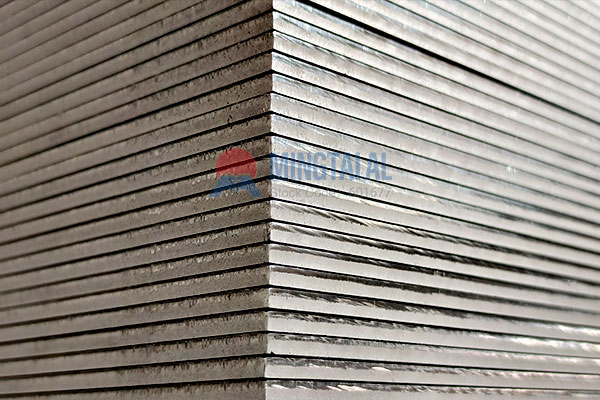
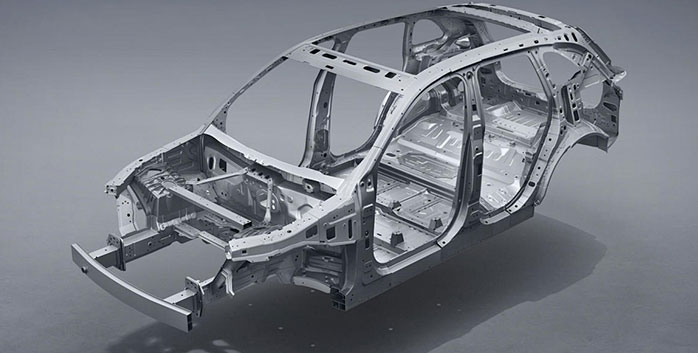
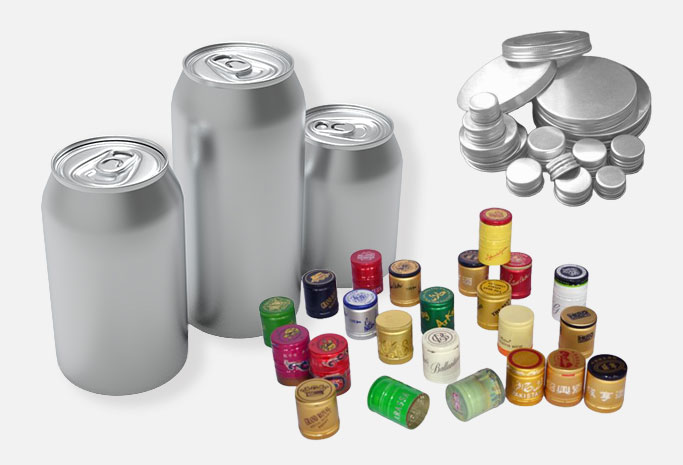
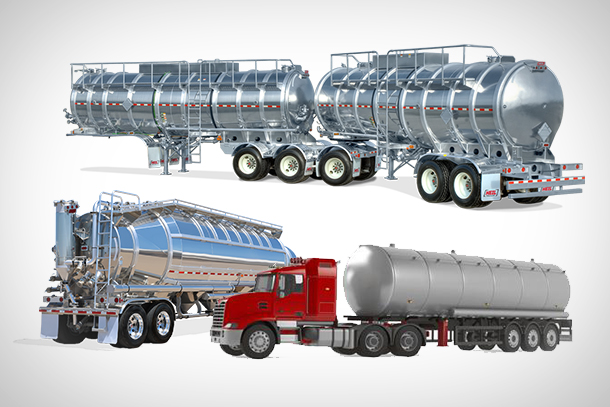
An anodizing quality 5052 aluminum sheet is often chosen for its silver-gray finish and good corrosion resistance, making it suitable for consumer electronics, automotive interiors, and marine environments where appearance and durability matter. But the term “anodizing quality” is not guaranteed by the alloy designation alone. Anodizing makes surface cleanliness, grain structure, and rolling defects more visible. A consistent anodized finish begins with the base material.
5052 Anodizes Well, but Uneven Structure Is Its Weak Point
- It produces a uniform color after anodizing, which is ideal for visible parts.
- Magnesium improves corrosion resistance, but when it is not evenly distributed, grain boundary issues can appear after anodizing, causing color variation or localized corrosion.
- That is why temper, annealed structure, and surface cleanliness matter more than the alloy designation alone.
Three Surface Factors That Shape the Anodized Result
- Residual oil blocks a uniform oxide film. Incomplete degreasing often causes streaks or patches after dyeing. Ask how cleanliness is controlled, and run a small wetting test: an evenly spreading water film is better than one that beads up.
- Grain structure strongly influences orange peel. Coarse or uneven grains, especially on flat visible parts, lead to orange peel after anodizing. Annealing should target fine, uniform grains—not just soft material. Mixed grain structures are harder to control and more likely to cause color variation.
- Rolling defects are magnified, not hidden. Black streaks, scratches, roll marks, and pickup may look minor on bare sheet but become white lines or dark spots after anodizing. Control starts with roll surface, online inspection, and packaging. Note: We supply the aluminum sheet base material only; anodizing and further processing are done by professional anodizing lines.
Putting Requirements in the Order Works Better Than Sorting Defects Later
Many anodizing problems are not caused by the anodizing line doing a poor job. They happen because the base material requirements were never clearly stated in the order. When requesting a quote or placing an order, include the following:
1. State the end use: Write “for anodizing” clearly, and provide an acceptable surface quality sample or limiting sample so the supplier knows the visible-surface standard.
2. Agree on cleanliness: Require surfaces free of residual oil, suitable for direct entry into degreasing and etching, to reduce patches and uneven dyeing caused by oil film.
3. Agree on structure: Require fine, uniform grains and avoid coarse or mixed grains, especially for flat panels, frames, and covers.
4. Define defect limits: Clearly reject black streaks, scratches, roll marks, and pickup that are visible after anodizing, rather than accepting bare sheet that only looks “close enough.”
5. Require batch consistency: Composition, temper and delivery condition, and surface quality should be stable to avoid obvious color variation between batches of the same product.
6. Packaging and transport: Require interleaving protection, moisture protection, and scratch prevention, because minor handling marks can become visible defects after anodizing.
When these points are clear, anodizing yield becomes more controllable, and there is less back-and-forth sorting and rework.
Quick Reference: Common Anodizing Defects and Base Material Causes
|
Common issue after anodizing |
More likely base material cause |
What to control at the base material stage |
|
Orange peel |
Coarse or uneven grains |
Annealed structure, grain uniformity |
|
Dye streaks or patches |
Residual oil or localized oil |
Surface cleanliness, degreasing compatibility |
|
Batch color variation |
Composition or delivery condition drift |
Batch stability, structure consistency |
|
Grain boundary corrosion or localized nodules |
Magnesium segregation, improper heat treatment |
Delivery condition, annealing practice |
|
White lines or dark spots |
Scratches, roll marks, pickup |
Rolled surface, packaging protection |
|
Local dullness |
Surface contamination or uneven structure |
Combined control of cleanliness and structure |
The purpose of this table is simple: when a defect appears after anodizing, you can first check whether the cause is the base material or the anodizing process, instead of adjusting the bath blindly. When residual oil, grain structure, and rolling defects are controlled at the base material stage, the anodizing line has a stable starting point.
Base Material Supply for Anodizing Lines
If you are looking for an anodizing quality 5052 aluminum sheet, Henan Mingtai Aluminium Industrial Co., Ltd. supplies 5052 base material with clean surfaces, uniform grain, and controlled rolling defects. Request a sample for anodizing validation.
FAQ
Q: Can 5052 aluminum sheet be clear anodized?
A: Yes, it usually turns silver-gray, and final color variation depends mainly on base material uniformity and surface cleanliness.
Q: What matters most for 5052 used in anodizing?
A: Residual oil, grain structure, and rolling surface defects matter most, because they are magnified in the anodized finish.
Q: Do you provide anodizing services?
A: No, we focus on 5052 base material supply; anodizing and further processing are done by professional anodizing lines.
Q: How can I judge whether the base material is suitable for anodizing?
A: Check surface cleanliness and defect control first, then run a small anodizing sample to verify color and texture.