aluminum plate for mold base
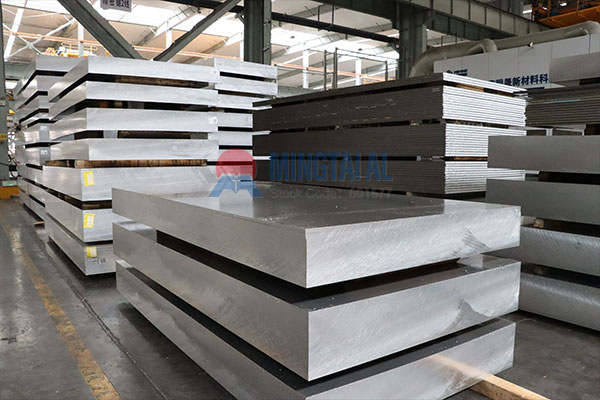
An aluminum plate for mold base can arrive flat and still warp after milling. The usual cause is residual stress inside the plate, not the machine or the operator. When a mold base requires deep pockets and heavy material removal, the temper of the aluminum matters as much as the alloy.
Where Residual Stress Comes From
During hot rolling and quenching, the surface and core of an aluminum plate cool at different rates. That difference creates internal stress. Thick plates tend to carry more of it, and mold base thicknesses often fall into this range.
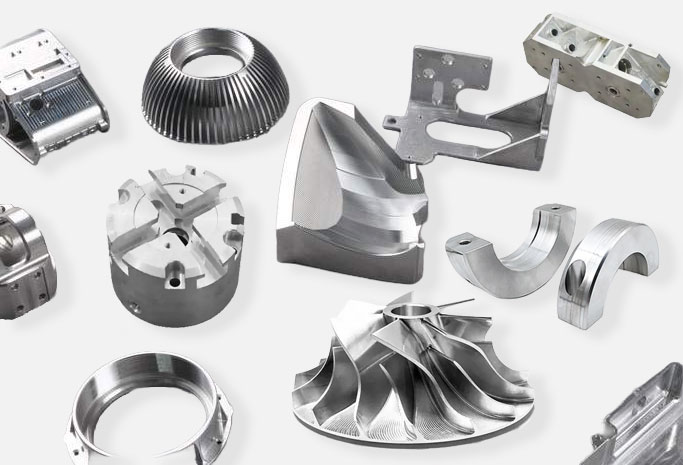
As CNC machining removes material from one side, the old stress balance breaks. The remaining metal moves toward a new balance. This shows up as bowing, twisting, or tool push-off.
How T651 Relieves Stress
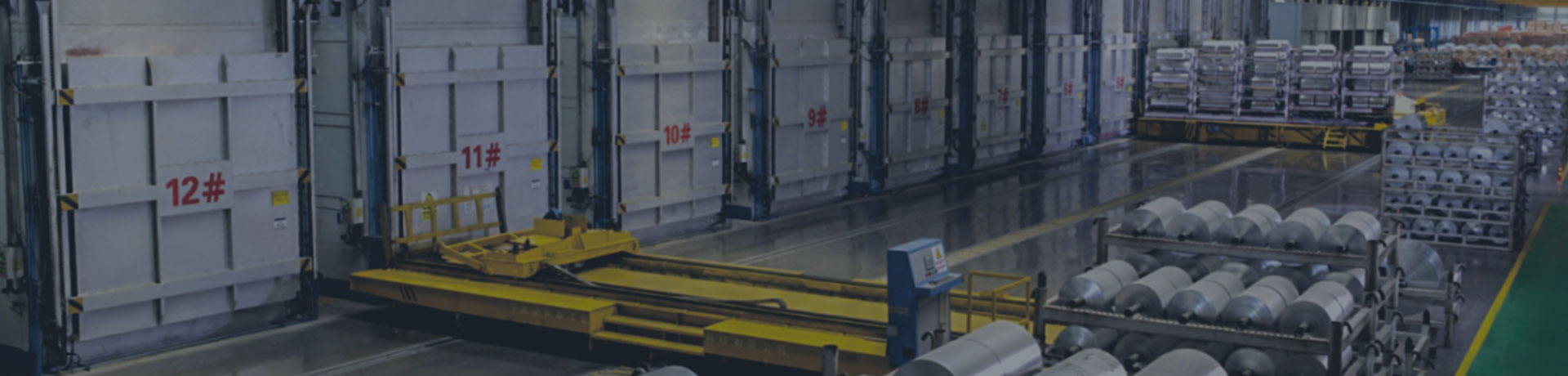
T651 is not just a label. It adds a controlled stretching step between solution heat treatment and artificial aging. This step redistributes internal stress and lowers the amount that can be released during machining.
A simple comparison:
- T6: solution treatment + artificial aging. Higher distortion risk after heavy milling.
- T651: solution treatment + controlled stretch + artificial aging. Lower distortion risk for mold bases and heavy-milled parts.
Pre-stretching does not remove every bit of stress. It brings stress down to a manageable level. Machining practice still matters.
Shop Practices That Reduce Distortion
Even with T651, setup and toolpath choices affect final flatness. A few practical steps:
1. Remove material from both sides in rotation when possible, instead of cutting one side to final depth.
2. Use staged machining: rough, unclamp, let the plate settle, semi-finish, then finish.
3. Avoid forcing the plate flat with heavy clamping. When clamps release, the plate may spring back.
4. Put the temper and flatness tolerance on the drawing. The state code on the order tells the supplier what process to run.
We supply rolled, stress-relieved aluminum plate ready for machining. Finish milling, drilling, surface treatment, and other reworking steps are handled by the machine shop.
Aluminum vs. Steel Mold Bases
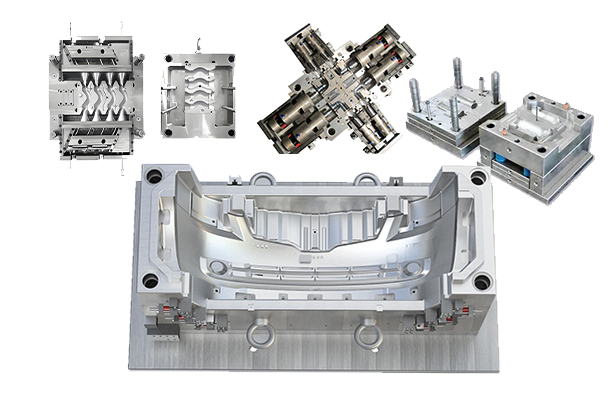
Aluminum conducts heat much faster than steel, which can help shorten cooling cycles and improve temperature uniformity in injection molds. It is also much lighter, making large bases easier to lift, install, and change.
Aluminum cuts faster than tool steel, so machining time can drop. For small to medium runs, prototypes, or projects where cooling efficiency matters, aluminum bases are often a strong fit. Steel still holds an edge in high-wear, high-pressure applications where long service life is critical.
Checking Stress-Relief Quality Before You Buy
- Ask for a material certificate that shows T651 or an equivalent pre-stretched temper, with traceable heat numbers.
- Review the flatness inspection report. A serious supplier checks plates before shipment.
- For large projects, test-machine one standard plate and record distortion after roughing. Use that as a baseline for later batches.
- Remember: incoming flatness and finished flatness are different. The final result also depends on machining process and clamping.
What This Means for Your Mold Base Build
For an aluminum plate for mold base project, Mingtai Al supplies 6061-T651 stress-relieved plate to ASTM B209 and supports mold makers worldwide. Contact our technical team to match a specification to your build.
FAQ
Q1: Can 6061-T651 completely eliminate distortion?
A: No, but it reduces the risk to a controllable level.
Q2: Is T651 more expensive than T6?
A: It usually costs a little more, but less rework often outweighs the difference.
Q3: Is aluminum suitable for high-volume molds?
A: It fits small to medium runs; long-life high-volume molds often still use steel.