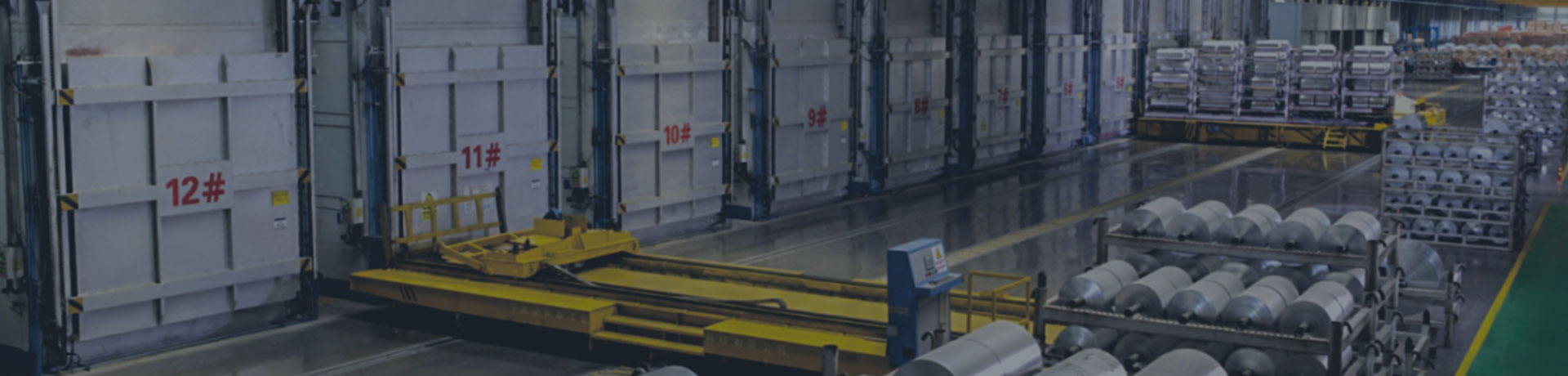
3003 aluminum coil for power battery casings
When production teams evaluate base materials for prismatic power battery casings, 3003 aluminum coil for power battery casings stands out as one of the most mature and practical options. It balances deep-draw formability, corrosion resistance, thermal conductivity, surface quality, and supply stability—qualities that matter from coil blanking to final sealing.
Why Prismatic Battery Casings Are Moving Toward Aluminum
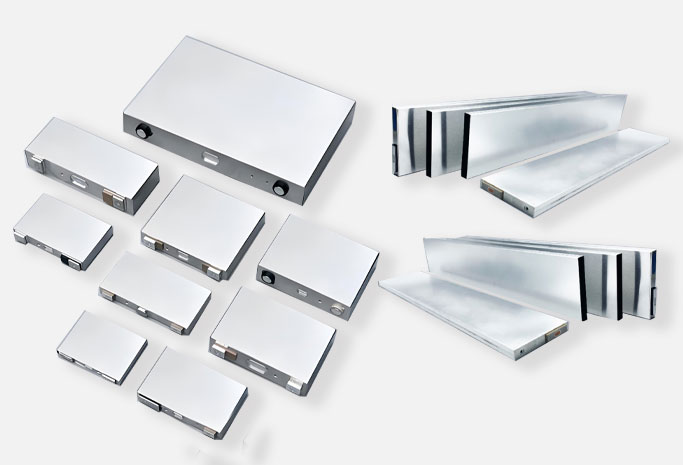
Prismatic cells are widely used in electric vehicles and energy storage because of their stable structure, efficient integration, and strong heat dissipation. As battery energy density and vehicle lightweighting targets rise, the housing material becomes more than a simple container. It affects range, thermal safety, sealing reliability, and long-term durability.
Aluminum has gradually replaced cold-rolled steel in many power battery housing applications. This shift is not a short-term trend. It reflects a practical balance of weight reduction, heat management, forming efficiency, and lifecycle cost.
Material Profile: 3003 Alloy in H14 Temper
Alloy 3003 is an aluminum-manganese rust-proof alloy. It gains mechanical strength through cold working, which makes it suitable for battery housing production. H14 is a commonly used temper for this application because it offers a practical balance of strength and formability.
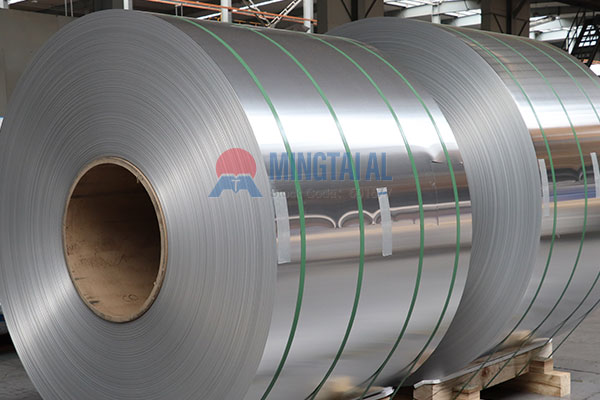
Typical supply options include:
- Alloy: 3003
- Temper: H14
- Thickness: customized to stamping and design requirements
- Width: slit according to production needs
- Surface: controlled roughness, free from scratches, peeling, pinholes, and press marks
Thickness tolerance is especially important. If thickness fluctuates too much, deep drawing may lead to uneven wall thickness, cracking, or bulging. Surface quality also matters because it affects stamping appearance and later surface treatment.
Core Advantages of 3003 Aluminum Coil
1. Excellent deep-draw formability
3003 aluminum has good plasticity and elongation. In cold-worked condition, it can handle large deformation during deep drawing. This supports integrated stamping of prismatic battery shells, including shells with greater sidewall height. The result is stable stamping yield and suitability for large-scale production.
2. Good corrosion resistance
Manganese helps refine grains and improves the material’s resistance to corrosion. In humid conditions or environments affected by electrolyte vapor, 3003 performs better than pure aluminum in electrochemical corrosion resistance. This helps reduce the risk of corrosion perforation over the battery’s service life.
3. Strong thermal conductivity
Aluminum conducts heat efficiently. Heat generated by battery cells can move through the shell and dissipate faster, reducing heat accumulation and supporting thermal safety.
4. Good processing and surface compatibility
3003 aluminum housings can be cleaned, passivated, coated, and anodized. The material also welds well, which supports sealing between the shell and cover plate. It is easy to cut and stamp, and aluminum coil supply is mature and stable.
Process Fit: From Coil to Prismatic Shell
The mainstream production route for prismatic battery shells usually includes:
1. Coil blanking
2. Deep drawing and stamping
3. Edge trimming
4. Cleaning and surface treatment
5. Sealing and laser welding with the cover plate
This process places high demands on material plasticity. 3003 aluminum coil is well matched to this route because it supports deep drawing, stable forming, and balanced production cost.
Surface treatment is another key stage. A clean, uniform surface helps passivation, spraying, and anodizing perform consistently. Good welding performance also supports long-term sealing requirements.
Quality Details That Influence Stamping Yield
Battery casing production is sensitive to material consistency. Several quality points deserve attention:
- Tight thickness tolerance control
- Clean surface without scratches, peeling, pinholes, or press marks
- Controlled surface roughness
- Stable mechanical properties
- Low earing behavior to reduce cracking and wrinkling
These factors may not always be visible in a specification sheet, but they directly affect deep-drawing yield and final shell reliability.
Aluminum vs Steel in Power Battery Housings
Aluminum has become a leading choice for power battery housings for several practical reasons.
1. Lightweighting
Aluminum has a much lower density than steel. Under comparable structural strength, an aluminum housing can reduce weight, helping lower vehicle mass and improve energy efficiency.
2. Thermal management and safety
Aluminum conducts heat quickly. This helps reduce temperature differences inside the battery pack and supports better cell consistency. In abnormal conditions, good heat conduction can also delay heat accumulation.
3. Forming and sealing
Aluminum can be deep drawn into integrated shapes, reducing welded seams and lowering leakage risk. It also matches laser welding processes for cover plates, supporting long-term sealing.
4. Corrosion resistance and reliability
Vehicles face temperature changes, humidity, and salt-spray exposure. After proper surface treatment, aluminum housings resist corrosion well and avoid the rust problems associated with steel.
5. Lifecycle cost advantage
Although aluminum raw material may cost more than steel, lightweighting can reduce the need for structural and cooling components. Aluminum is also recyclable, and stamping yields continue to improve. From a full lifecycle view, aluminum housings offer increasing cost advantages.
Where 3003 Aluminum Coil Fits Best
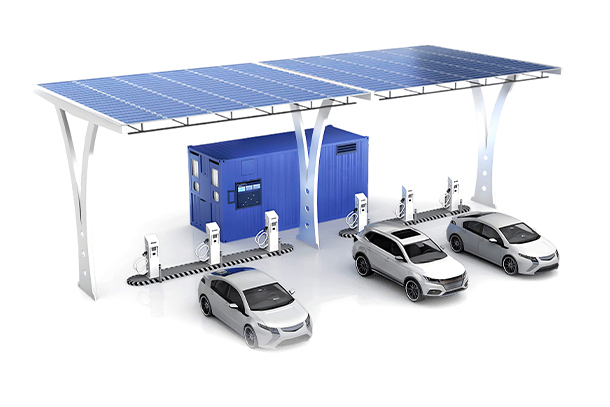
For prismatic lithium iron phosphate cells, some ternary prismatic cells, and energy storage batteries, 3003 aluminum coil for power battery casings offers a reliable balance of strength, corrosion resistance, thermal conductivity, and formability.
The supply chain is another strength. 3003 aluminum coil has a mature industrial production route. Domestic aluminum processors can supply it in large volumes with consistent sheet properties, which supports the scale and repeatability required by the power battery industry.
In energy storage and conventional passenger vehicle prismatic battery applications, 3003 aluminum coil provides a strong cost-performance advantage.
FAQ
Q: Is 3003 aluminum coil suitable for deep-drawn prismatic battery casings?
A: Yes, its good elongation and cold-work strength make it well suited to deep drawing.
Q: Which temper is commonly used for battery casings?
A: H14 is a common choice for a balance of strength and formability.
Q: Can thickness and width be customized?
A: Yes, coil thickness and slit width can be produced to match stamping requirements.
Q: Does 3003 resist corrosion in battery environments?
A: Yes, its aluminum-manganese composition offers good resistance to moisture and electrochemical corrosion.
Q: Why is aluminum preferred over steel for power battery housings?
A: Aluminum reduces weight, improves heat dissipation, and supports integrated sealing processes.
Q: Is 3003 aluminum coil stable for mass production?
A: Yes, its mature production route supports consistent properties and large-volume supply.
A Stable Supply Partner Matters
For prismatic power battery casings, 3003 aluminum coil offers a practical balance of formability, durability, thermal performance, and scalable supply. Mingtai Al Industry supplies 3003 aluminum coil for power battery casings with stable quality and customized specifications for battery casing production.