Aluminum Coils for Cosmetic Bottle Caps
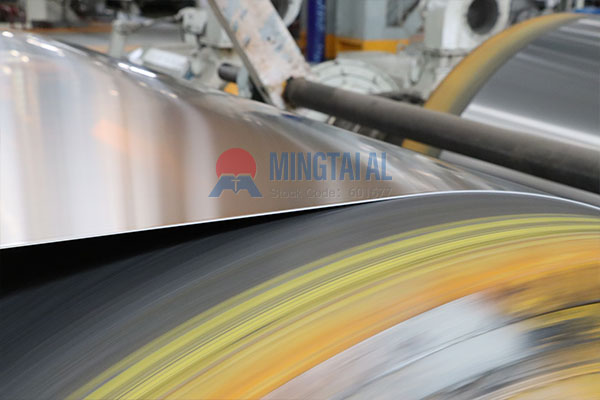
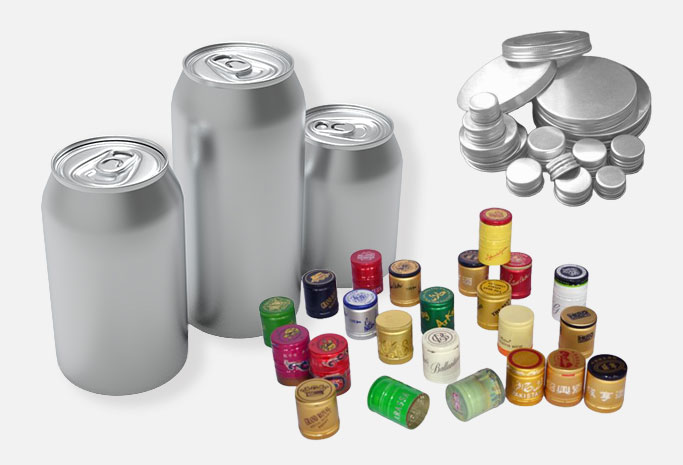
Cosmetic packaging has moved beyond simple sealing and protection. A bottle cap now contributes to shelf presence, hand feel, and brand perception. When brands source aluminum coils for cosmetic bottle caps, they are choosing the base that will shape surface brightness, forming yield, anodizing consistency, and long-term appearance. In many cap designs, the metal itself is the quiet foundation behind the finished look.
Why the Alloy Matters More Than Many Realize
Aluminum is light, recyclable, and naturally suited to decorative finishing. But not every aluminum coil behaves the same on a stamping line or in an anodizing bath.
The alloy, temper, and rolling route affect how the cap forms, polishes, anodizes, and survives handling. For cosmetic caps, the goal is a balance: a clean surface, stable dimensions, and a finish that matches the brand’s visual language.
> A good cap starts with a coil that can repeat the same result, batch after batch.
1070 Aluminum Coils: High-Purity and Cost-Effective
1070 is a 1xxx pure aluminum grade. It is widely used for cosmetic bottle caps because it offers high purity, good surface cleanliness, and predictable forming behavior. It is often selected for caps that will be polished, brushed, anodized, painted, or laser-marked.
What 1070 does well:
- Clean, bright surface after polishing and anodizing
- Soft, ductile behavior that suits stamping, spinning, and deep drawing
- Good color uniformity after dyeing, with less risk of mottling or streaks
- Strong compatibility with common decorative finishing processes
- Attractive cost position for many decorative cap projects
Pure aluminum is not known for high strength. If a cap has very thin walls or must resist rough handling, 1070 may not be the best fit. It is usually a better match for medium-to-thicker decorative caps rather than thin, high-impact structural parts. This is not a defect; it is a material trade-off that should be matched to the cap design.
3105 Aluminum Coils: Strength with Decorative Capability
3105 is a 3xxx aluminum-manganese alloy. It sits in a useful middle ground for cosmetic caps: stronger than pure aluminum, still formable enough for deep drawing, and compatible with anodizing and coating. For caps that need a bit more rigidity without stepping up to a more expensive 5xxx alloy, 3105 is often the practical answer.
Key advantages:
1. Better strength than 1xxx grades: The manganese addition raises tensile strength and hardness, helping caps resist dents during assembly, transport, and storage.
2. Good deep-drawing performance: 3105 handles the forming demands of screw caps and decorative closures without excessive cracking risk.
3. Anodizing and coating compatibility: It takes anodizing well and also works with protective lacquers and printed finishes.
4. Corrosion resistance: The oxide film formed during anodizing provides solid atmospheric corrosion protection.
5. Cost positioned between 1070 and 5xxx alloys: It offers more strength than 1070 without the cost premium of magnesium-rich grades.
3105 is not a mirror-finish alloy in the same way high-purity 1070 is. If the cap requires a near-lens-grade bright anodized surface, 1070 remains the stronger choice. But for many painted, brushed, satin, or moderately anodized caps, 3105 delivers a reliable combination of strength and finish quality.
Hot-Rolled vs. Cast-Rolled Stock
For aluminum coils for cosmetic bottle caps, the rolling route matters. Hot-rolled stock is produced with high-temperature reduction, which helps create a uniform, dense grain structure and fewer internal defects. During stamping and spinning, this can reduce localized orange peel, cracking, and uneven flow. After anodizing, the finished caps tend to show more consistent color across the batch.
Cast-rolled material can be economical, but its grain structure is less stable. In large-volume production, it may be more likely to show anodizing clouds or surface variation. For caps that must meet strict visual standards, hot-rolled substrate is often the safer starting point.
Why Aluminum Is a Natural Fit for Cosmetic Caps
- Premium metallic appearance that supports luxury positioning
- Lightweight construction that helps reduce packaging weight
- Good processing compatibility for diverse cap geometries
- Corrosion and chemical stability for everyday cosmetic conditions
- Recyclability aligned with sustainability goals
- Dimensional accuracy for reliable assembly
Choosing Between 1070 and 3105
The choice is not about one alloy being universally better. It is about matching the material to the cap’s appearance target, wall thickness, forming method, and service environment
- Choose 1070 when high purity, bright finishing, easy forming, and cost control are the main priorities.
- Choose 3105 when the cap needs better rigidity, dent resistance, and a more balanced strength-to-formability profile.
- Choose hot-rolled coil when batch-to-batch surface consistency is important.
- Confirm temper and surface requirements with the coil supplier before mass production.
What Matters for Your Next Bottle Cap Project
Start with the finish. Then look at the forming route, wall thickness, and handling requirements. A coil that looks good in a sample may behave differently in full production, so surface consistency, temper control, and supplier experience matter just as much as the alloy name. For aluminum coils for cosmetic bottle Caps, the best result comes from matching material, tooling, and finishing from the beginning.
Henan Mingtai supplies aluminum coils for cosmetic packaging and can help match the right alloy and temper to your cap design. For stable surface quality and reliable supply, it is worth discussing your project with Henan Mingtai.
FAQ
Q: Which alloy is better for bright anodized caps?
A: 1070 is usually preferred when a high-purity, mirror-like anodized surface is the priority.
Q: Which alloy offers better strength?
A: 3105 is stronger than 1070 and better suited to caps that need more dent resistance.
Q: Why choose hot-rolled aluminum instead of cast-rolled?
A: Hot-rolled material offers more consistent grain structure and surface appearance after finishing.
Q: Can 3105 be anodized?
A: Yes, 3105 anodizes well and also works with lacquers and printed finishes.
Q: Are these alloys suitable for perfume caps?
A: 1070 suits decorative and bright-finish caps; 3105 suits caps needing more rigidity.
Q: Does temper affect bottle cap forming?
A: Yes, the right temper helps balance formability, springback, and final rigidity.