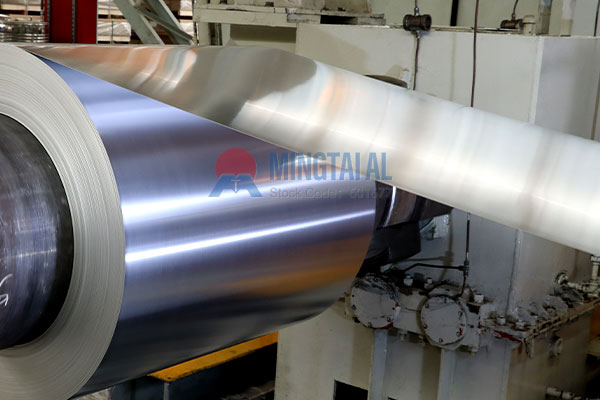
3003H14 Aluminum Coil
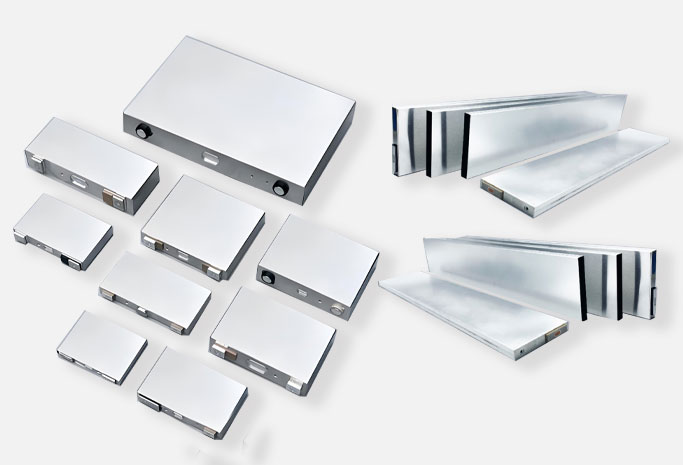
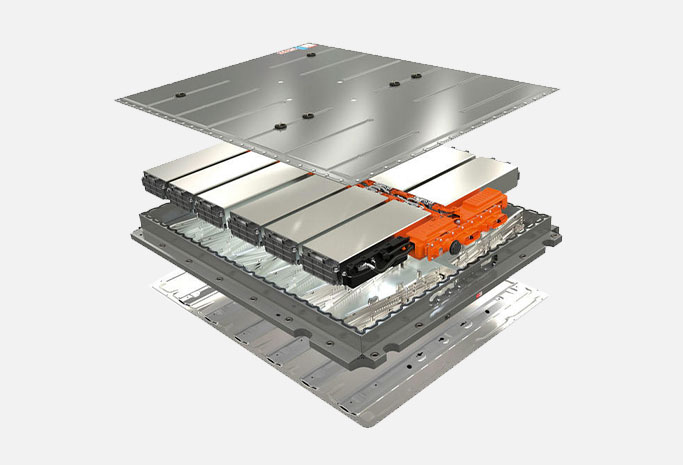
Electric vehicle power batteries rely on an outer protective shell that does far more than contain internal cells. A well-designed battery casing must resist severe mechanical impact, dissipate heat quickly during high-current charging, and withstand long-term exposure to harsh chemical environments. Among all candidate materials, 3003H14 Aluminum Coil stands out as the ultimate substrate for deep-drawn prismatic lithium-ion battery enclosures, delivering an exceptional blend of formability, corrosion resistance, and structural integrity.
Key Takeaway for Engineers: Selecting the right enclosure metal directly dictates overall pack energy density, automated stamping yield rates, and safety under thermal stress.
Technical Performance Criteria for Battery Enclosure Base Metals
Manufacturing modern battery enclosures requires raw materials that balance aggressive mechanical processing with reliable long-term safety.
1. Mechanical Balance for Deep Drawing
Battery shell stamping demands significant plastic deformation. Base metals must feature optimized tensile strength, yield strength, and high elongation. Materials that lack uniform ductility will crack, wrinkle, or develop wall-thickness variations during deep-drawing operations.
2. Resistance to Internal & External Corrosion
Batteries operate in tough conditions. Internally, the casing comes into direct contact with reactive electrolyte chemistries. Externally, it faces atmospheric moisture, road salt, and dirt. Superior corrosion resistance prevents wall perforation, fluid leaks, and dangerous electrical short circuits.
3. Lightweighting & Heat Dissipation
Reducing dead weight directly improves total driving range. At the same time, high thermal conductivity allows the casing to rapidly draw heat away from the cell core, lowering thermal runaway risks and stabilizing daily operating temperatures.
4. High-Volume Stamping Compatibility
Mass production calls for consistent substrate quality. Clean surfaces without scratches, inclusions, or pinholes eliminate tooling wear and reduce defect rates in fast automated stamping lines.
Deep Dive into 3003 Alloy Specifications
The 3003 series belongs to the aluminum-manganese rust-proof alloy family. Manganese serves as the key strengthening element, elevating overall mechanical properties through work hardening rather than thermal treatment.
Temper Designation (H14): Represents a strain-hardened state that offers moderate strength paired with high elongation percentage. This balance makes it highly responsive to deep prismatic shell formation without tearing at high-draw corners.
Supply Specifications:
Gauge Range: Typically supplied in 0.8 mm to 1.5 mm thicknesses.
Width Availability: Custom-slit widths ranging from 800 mm to 1,600 mm.
Packaging Form: Continuous large master coils suitable for uncoiling and automatic blanking systems.
Surface Integrity Standards: Strict flatness tolerances are maintained to avoid uneven feeding during stamping. Surfaces are rigorously inspected to guarantee zero oil spots, gouges, pinholes, or non-metallic inclusions.
Comparing Enclosure Substrates: 3003 Aluminum vs. Steel
Selecting between aluminum alloys and traditional steel shapes the overall architecture of modern battery packs.
|
Evaluation Metric |
3003 Aluminum Alloy Substrate |
Traditional Steel Substrate |
|
Material Density |
Low (~2.7 g/cm³) |
High (~7.85 g/cm³) |
|
Corrosion Resistance |
Excellent native resistance to electrolytes |
Poor raw resistance; requires pre-plating |
|
Formability Profile |
Superior flexibility for deep prismatic shells |
High hardness; limited to smaller cylindrical forms |
|
Laser Weldability |
Clean, ductile laser welds |
Mature process, but sensitive to zinc/nickel plating |
|
Vehicle Pack Impact |
Maximum weight reduction & range extension |
Adds significant dead weight to the pack |
|
Target Application |
Prismatic EV cells, blade batteries, ESS packs |
Small cylindrical cells, consumer electronics |
Strategic Manufacturing Benefits for Battery Applications
Rapid Thermal Management
High thermal conductivity helps passive and active heat exchange systems manage internal core temperatures during fast-charging cycles.
High Precision Assembly
Controlled mechanical tolerances ensure consistent springback after drawing, producing precise dimensional consistency for seamless top-cap laser welding.
Structural Safety & Impact Absorption
Under sudden mechanical compression or vehicle collision, ductile aluminum deforms predictably to absorb kinetic energy before the internal cell casing ruptures.
Sustainable Lifecycle Alignment
Aluminum is fully recyclable with high scrap recovery value, meeting global automotive standards for sustainable supply chains and reduced carbon footprints.
FAQ
Q: Why is the H14 temper better than full-hard tempers for prismatic casing?
A: The H14 condition provides the exact balance of ductility and tensile strength required for deep drawing without corner cracking.
Q: Does 3003 aluminum react with lithium battery electrolyte compounds?
A: No, its manganese-alloyed composition offers natural resistance to chemical corrosion from common electrolyte solutions.
Q: Can coil dimensions be tailored for automated continuous stamping lines?
A: Yes, custom master coil weights and precision slit widths are configured to match specific line uncoilers.
Q: How does switching from steel to aluminum impact overall battery pack weight?
A: Substituting aluminum enclosures reduces total casing weight significantly, directly enhancing pack energy density and vehicle driving range.
Sourcing Substrates for Growing Energy Storage Demand
As global demand for electric passenger vehicles, commercial fleets, and large-scale grid energy storage systems continues to accelerate, choosing dependable raw materials becomes vital. The balanced strength, deep-drawing capability, and thermal safety of 3003H14 Aluminum Coil make it an indispensable foundation for modern battery enclosure manufacturing.
For reliable supply and high-precision coil processing tailored to strict battery enclosure standards, Henan Mingtai supplies premium 3003 aluminum coils engineered for continuous high-speed production. Contact our technical team today to request custom product specifications or material test samples.