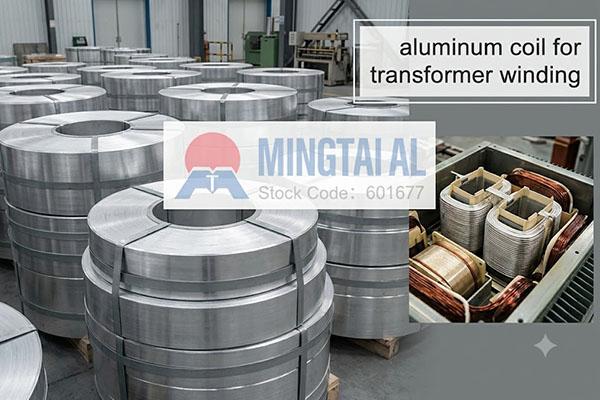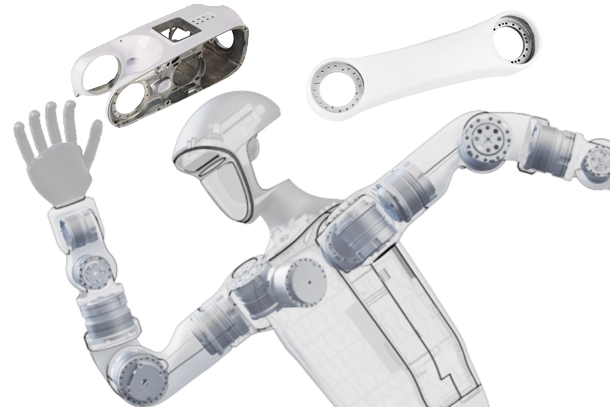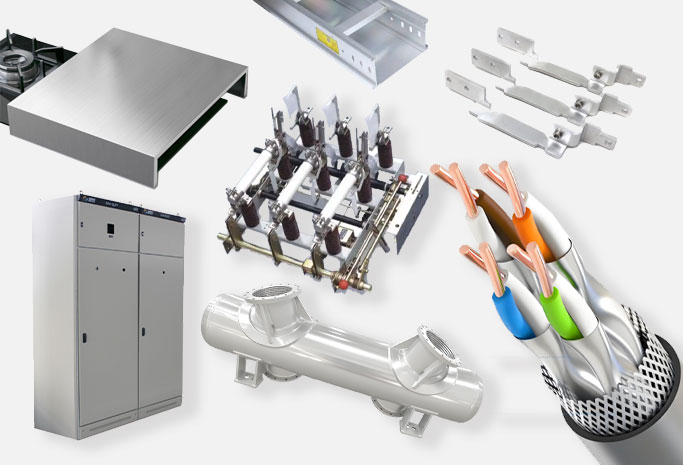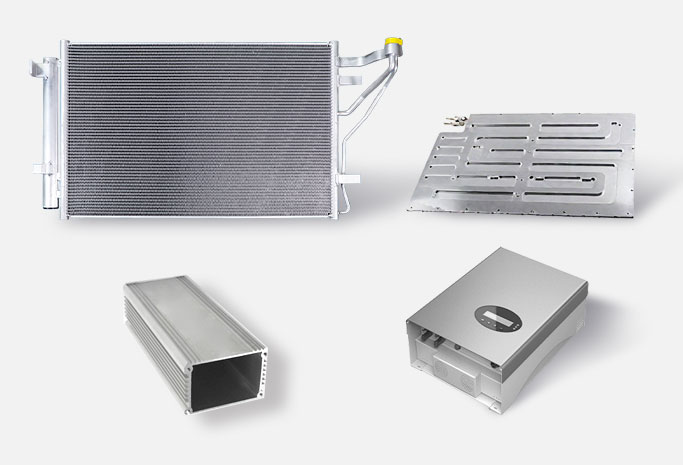
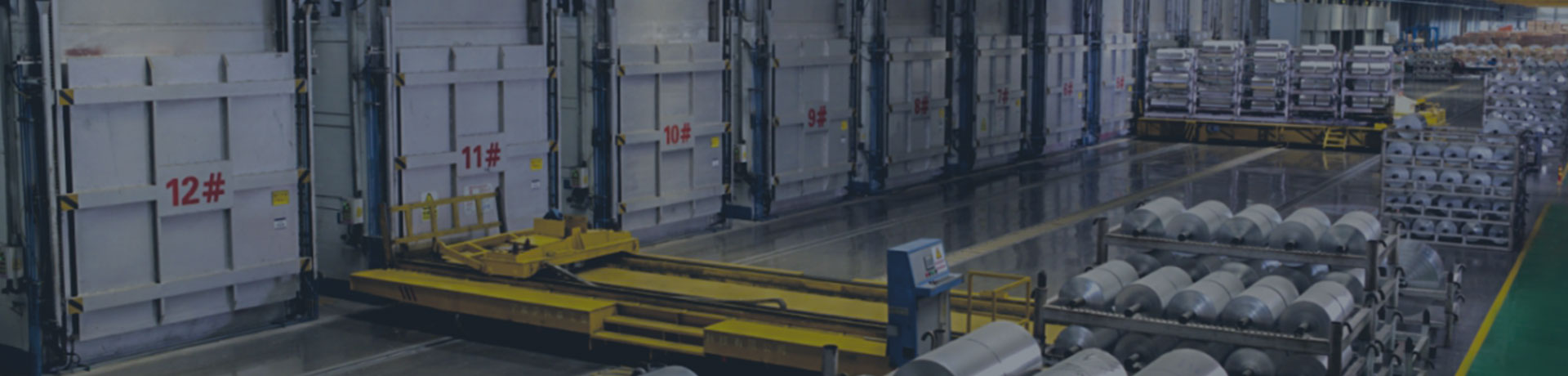
aluminum coil for transformer winding
When sourcing an aluminum coil for transformer winding, understanding the material choices and key specifications is critical to balancing cost and performance. Copper prices have remained high—by late 2025, the copper‑to‑aluminium price ratio reached 4.38, significantly above the historical average. With copper above USD 10,000/tonne and aluminium around USD 2,500/tonne, the cost gap makes aluminium‑wound transformers increasingly attractive for manufacturers.
In North America, aluminium is already the dominant winding material for low‑voltage dry‑type transformers (>15 kVA). In Europe, up to 90% of transformers use aluminium windings. China has also issued its national standard NB/T 42066‑2016, covering dry‑type aluminium‑wound power transformers from 6 kV to 35 kV. Aluminium is not a “cheap substitute” for copper—it is an engineered choice that works well in many medium‑ and low‑voltage applications.
Aluminium vs. Copper – Key Data
To decide whether aluminium suits your project, look at these numbers:
|
Property |
Aluminium |
Copper |
|
Conductivity (IACS) |
~61% |
100% |
|
Cross‑section needed for same resistance |
1.66× copper |
— |
|
Density |
2.71 g/cm³ |
8.96 g/cm³ |
|
Weight for same capacity winding |
~48% of copper |
— |
|
Material cost (approx.) |
~USD 2,500/t |
~USD 10,000/t |
Bottom line: Aluminium windings are slightly larger in volume, but much lighter and significantly cheaper. For medium‑ and low‑voltage distribution and dry‑type transformers, aluminium can meet all standards while cutting material costs by 15‑20%.
Which Alloy Should You Choose?
Common alloys for transformer windings include 1060, 1050, 1070, and 1350.
- 1070 / 1350 – Purity ≥99.7%, conductivity reaches 61.2% IACS or higher. These are electrical‑grade aluminiums with the most reliable performance. They are the first choice for most distribution transformers.
- 1060 – Purity ≥99.6%, good cost‑effectiveness. Consider this if your budget is tight and performance requirements are moderate.
- 1050 – Falls in between, also widely used.
- 3003 – Manganese added for better corrosion resistance. Suitable for outdoor transformers in humid or salty environments.
Temper: Transformer winding coils are typically supplied in O‑temper (soft), which makes them easy to wind.
Thickness, Width, and Critical Quality Indicators
Typical dimensions:
- Thickness: 0.2 mm – 3.5 mm (some ultra‑thin foils go down to 0.08 mm)
- Width: 10 mm – 1650 mm
When purchasing, pay close attention to these three quality factors:
1. Dimensional tolerances – Thickness ±0.02 mm, width ±0.1 mm directly affect winding compactness and insulation consistency.
2. Edge quality – No burrs or wavy edges, to avoid damaging insulation during winding.
3. Surface flatness – This impacts the efficiency of automated winding equipment.
Application Scenarios for Aluminium‑Wound Transformers
Dry‑type transformers – Aluminium foil windings are widely used here because they are flame‑retardant, pollution‑free, and have low partial discharge. The Chinese standard covers three‑phase dry‑type transformers from 6 kV, 10 kV, 20 kV to 35 kV, with ratings from 30 kVA up to 25,000 kVA.
Oil‑immersed transformers – Paper‑covered rectangular aluminium winding wire is commonly used in these designs.
Renewable energy facilities – Solar farm step‑up substations, EV charging stations, and data centres are all cost‑ and weight‑sensitive, and aluminium windings are rapidly gaining ground.
What to Look for When Sourcing Aluminium Winding Coils
First, purity and conductivity consistency across batches. High‑purity aluminum coils should comply with standards like GB/T 3190 and maintain stable conductivity from one batch to the next.
Second, full‑process quality control. From casting to slitting, end‑to‑end quality management is the foundation of stable product performance.
Third, customisation capability. Can the supplier tailor thickness, width, and alloy to your specific transformer design?
Fourth, supply stability. Large‑scale projects need a partner who can guarantee long‑term, reliable delivery.
FAQ
Q: Can aluminium winding really replace copper in transformers?
A: Yes – with properly increased cross‑section and optimised design, aluminium windings fully meet IEC and national standards for medium‑ and low‑voltage applications.
Q: Which alloy is most commonly used for transformer windings?
A: 1070 and 1350 – they offer high purity (≥99.7%) and excellent conductivity, making them the industry favourites.
Q: How much cost can I save with aluminium instead of copper?
A: Material costs typically drop by 15‑20%, and the savings grow as the copper‑aluminium price gap widens.
Q: What thickness range is typical for aluminium winding coils?
A: Usually 0.2 mm to 3.5 mm, depending on the transformer rating and design.
Q: Can aluminium‑wound transformers be used outdoors?
A: Yes – choose alloy 3003 for better corrosion resistance in humid or salty environments.
Q: Does aluminium affect transformer efficiency?
A: With adequate cross‑section design, aluminium windings achieve efficiency comparable to copper in medium‑ and low‑voltage applications.
Q: What is the most important factor when sourcing aluminium coils?
A: Focus on alloy purity, dimensional tolerances, edge quality, surface flatness, and the supplier’s full‑process quality control.
Henan Mingtai Aluminum supplies high‑quality aluminum coil for transformer winding in alloys 1050, 1060, 1070, and 1350, with thicknesses from 0.2 mm to 3.0 mm and widths up to 1650 mm. Contact us to discuss your exact specification needs.