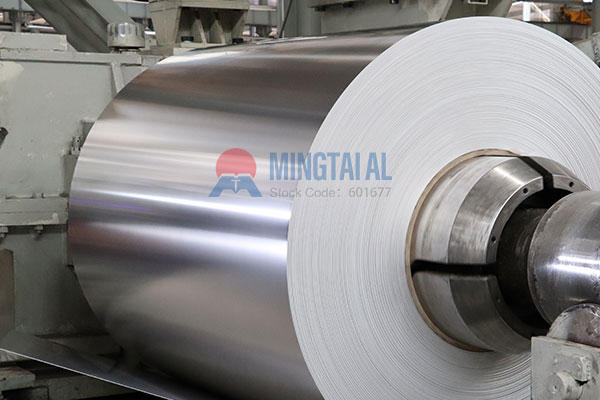
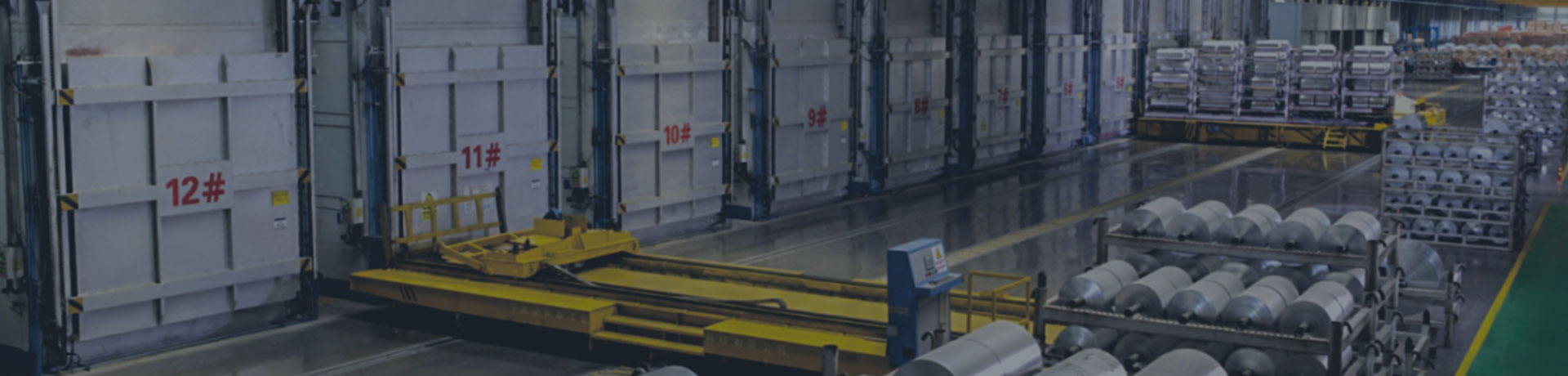
aluminum coil for acp
When it comes to aluminum coil for ACP, the most frustrating problems—coating peeling, blistering, and cracking at bends—often trace back to one root: the substrate itself.
Coating adhesion is a relay race, and the substrate runs the first leg. Alloy choice, surface cleanliness, roughness, flatness, and thickness tolerance—each factor sets the stage for how well the coating will bond. If the foundation is weak, even the best paint and application line cannot fix it.
Four critical factors that determine whether a coil is “paint‑ready”
① Alloy and temper – balancing strength and formability
Common alloys for ACP include:
- 1100 series (pure aluminum) – excellent ductility and a clean surface, ideal for interior panels and complex bending
- 3003 (Al‑Mn alloy) – about 20% stronger than 1100, with better wind‑load resistance, making it the go‑to choice for high‑rise curtain walls
Temper matters just as much. H14 (half‑hard) and H16 (hard) are typical for ACP coils. If the temper is too hard, internal stress release during bending can cause micro‑cracks in the coating. If it’s too soft, the coil may deform during lamination or slitting. Matching the temper to your forming equipment is essential for reliable adhesion.
② Surface cleanliness – oil is the #1 enemy of adhesion
Rolling oil, emulsions, and aluminum fines remain on the coil surface after cold rolling. Excessive residue means the coating bonds to an oil film, not to the metal itself.
Two quick checks can reveal oil contamination:
- Solvent wipe test – wipe the surface with acetone and check the cloth for yellow or black stains
- Water break test – a water drop should spread into a continuous film on a clean surface; if it beads up, contaminants are present
Industry standards require that aluminum strip surfaces be well‑finished, smooth, and free of visible oil, corrosion, or indentation marks.
③ Surface roughness – too smooth is as bad as too rough
A coil surface should not be mirror‑smooth.
- Too low Ra – the coating lacks mechanical anchorage points and cannot “grip”
- Too high Ra – paint consumption rises and the final finish may show orange peel
A moderate micro‑roughness allows the primer to form a stronger mechanical bond with the substrate. Reliable suppliers provide roughness test data in their quality certificates, and you can verify it with a handheld profilometer upon arrival.
④ Flatness and thickness tolerance – straightness is non‑negotiable
Poor flatness (waves, warps, or edge waves) leads to uneven coating thickness during application, and heat stress during baking concentrates in weak spots, eventually causing delamination. Excessive thickness variation directly weakens the peel strength of the finished composite panel.
The Chinese standard YS/T 432‑2020 specifies permissible dimensional deviations, mechanical properties, and surface quality for aluminum strips used in ACP. Always request a mill certificate that confirms compliance with this standard.
Four simple checks to run on every incoming coil
Once a coil arrives, you don’t need complex instruments to catch most hidden issues. These four steps are enough:
- Visual inspection – look for oil spots, water stains, scratches, or discoloration; pay special attention to edges for burrs or cracks
- Solvent wipe – wipe with acetone and check the cloth for residues
- Roughness spot check – measure Ra with a handheld tester and compare with the certificate
- Bend test – cut a small sample, bend it at your production angle, and observe for cracks or powder flaking at the bend
Common substrate defects and their coating‑failure symptoms
|
Substrate issue |
Coating‑related symptom |
Root cause= |
|
Excessive residual oil |
Wide‑area peeling, with an oily appearance on the peeled surface |
Incomplete removal of rolling oil |
|
Loose surface oxide layer |
Blistering and poor tape‑test results |
Moisture damage during storage or excessive oxidation from annealing |
|
Roughness too low |
Coating detachment after impact testing |
Roll surface too smooth |
|
Roughness too high |
Orange‑peel finish and higher paint usage |
Roll surface too coarse |
|
Poor flatness (waves) |
Uneven coating thickness and wrinkling after baking |
Poor tension control during cold rolling |
Negative thickness tolerance | Low peel strength and delamination after lamination | Insufficient thickness or loose tolerance control
This table makes one point clear: most coating failures originate in the substrate, not the coating line.
The foundation of adhesion
Coating adhesion does not begin at the paint applicator—it begins with the coil itself. The right alloy, a clean surface, proper roughness, good flatness, and precise thickness are what give adhesion a real chance to perform.
Ultimately, the performance of any aluminum coil for ACP depends on the quality of the base material.
Mingtai Aluminum supplies ACP‑dedicated coils in 1050, 1060, 1100, and 3003 alloys, with strict control over surface quality and dimensional accuracy—building a solid foundation for every roll you process.
FAQ
Q: Which alloy is better for exterior ACP—1100 or 3003?
A: 3003 offers higher strength and better wind‑load resistance for high‑rise facades, while 1100 has superior ductility for interior panels and complex bends.
Q: How can I quickly tell if a coil surface has oil contamination?
A: Wipe with acetone and check the cloth for yellow/black stains, or do a water break test—beading indicates contamination.
Q: How does surface roughness affect coating adhesion?
A: Moderate roughness gives the primer mechanical grip; too smooth reduces anchorage, and too rough wastes paint and may cause orange peel.
Q: What problems can excessive thickness variation cause?
A: It leads to uneven peel strength in the composite panel because the bonding pressure between aluminum and core material becomes inconsistent.
Q: What are the most important checks when a coil arrives?
A: Visual inspection, solvent wipe, roughness spot check, and a bend test—these four quickly reveal whether the substrate is up to standard.