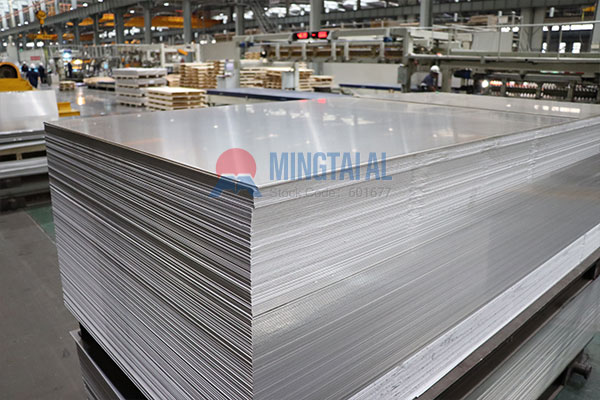
5052 o aluminum sheet
When it comes to bending performance, 5052 o aluminum sheet is a material that truly delivers. In many fabrication jobs, the real challenge isn't strength – it's cracking during forming. The O temper (fully annealed) solves that by offering the highest ductility and lowest hardness in the 5052 family, making it the go‑to choice for complex bends and deep draws.
What Exactly Is 5052‑O?
5052 belongs to the 5xxx series of aluminum‑magnesium alloys, with magnesium content between 2.2% and 2.8%. The “O” stands for fully annealed – the material is heated and slowly cooled to remove internal stresses and soften the grain structure. The result? A sheet that is at its most formable state. In plain terms: it bends beautifully.
How Good Is the Bending Performance?
The minimum inside bend radius for 5052‑O can be as low as 0.5× material thickness – meaning a 1 mm thick sheet can be bent to a 0.5 mm radius without cracking. For 0.064‑inch (about 1.6 mm) stock, a 90° cold bend can even achieve a radius close to zero.
Here is a quick comparison with the common H32 temper:
|
Property |
5052‑O |
5052‑H32 |
|
Elongation |
20% – 25% |
12% – 18% |
|
Min. bend radius (relative) |
~0.5× thickness |
~1.0 – 1.5× thickness |
|
Tensile strength |
~170 – 215 MPa |
~228 – 262 MPa |
|
Yield strength |
~65 – 90 MPa |
~193 MPa |
*Data based on ASM material references and industry standards.*
Elongation is the key figure – O temper gives you 20‑25% versus only about 12% for H32. Higher elongation means the material can stretch more on the outside of a bend without tearing.
> *This article focuses on bending performance and does not cover surface treatment or post‑processing.*
Why Does the O Temper Bend So Well?
Full annealing removes work‑hardening effects. There are no piled‑up dislocations or residual stresses inside the metal, so the plasticity is maximized. In simple words: the material is “softer,” so it flows easily.
The low yield strength brings two practical benefits:
- Less force needed for forming – reduces tool wear
- Less springback – gives better dimensional accuracy
Typical Applications That Require Bending
These industries rely on 5052‑O for its forming flexibility:
- Marine: hull panels, fuel tanks – corrosion resistance plus curved shapes
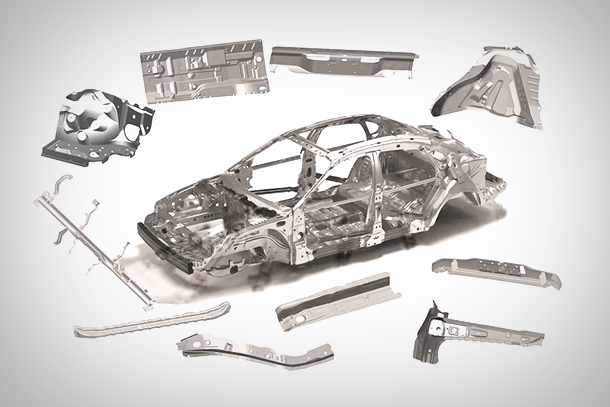
- Transport: truck body panels, commercial vehicle parts – large bent panels with light weight
- Architecture: curved facades, roofing systems – aesthetic contours
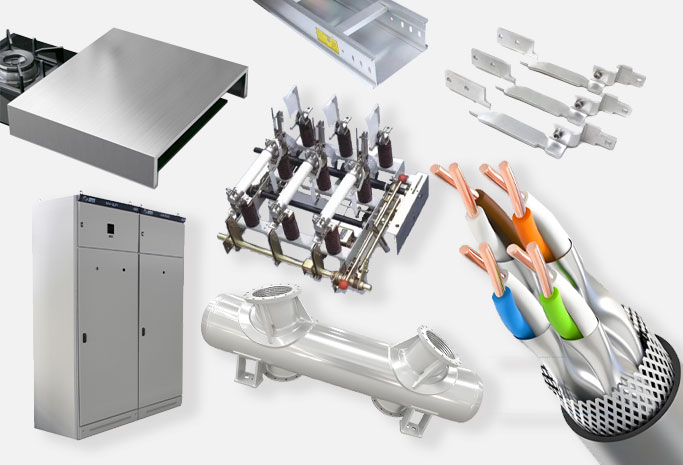
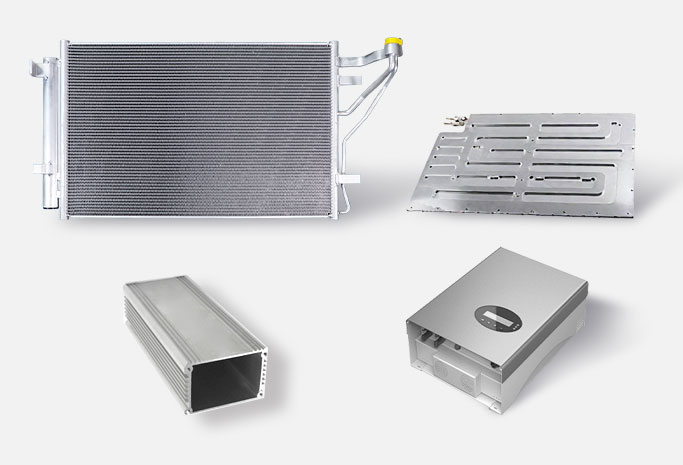
- Industrial: pressure vessels, commercial kitchen equipment, electrical enclosures – functional bends
- Electronics: tablet frames, smartphone mid‑frames – deep draws and tight bends for 3C products
Key Points for Successful Bending
Bend direction – Aluminum sheet has a rolling (grain) direction. For best results, place the bend axis perpendicular to the grain. Bending parallel to the grain significantly increases the risk of cracking.
Springback control – Aluminum’s elastic modulus is about one‑third that of steel, so springback is larger. For bend radii between 0.4 and 2 times thickness, springback for 5052 is roughly 2° – 5°. Compensate by overbending – bend a few degrees past the target angle so that after springback, you hit the required dimension.
Tooling and surface protection – Use a punch radius that matches the material to avoid stress concentration. Also protect the sheet surface from scratches – a scratch can become a starting point for cracks.
Choosing the Right Temper for Your Job
- Need complex bends, deep draws, or very tight radii? → Choose 5052‑O.
- Doing simple 90° bends and need higher strength? → Choose 5052‑H32.
There is no “best” temper – only the one that fits your forming process. For projects where formability comes first, 5052 o aluminum sheet offers the reliability you need.
As a manufacturer with nearly 30 years of experience in aluminum sheet production, Mingtai Aluminum supplies high‑quality 5052‑O material with stable properties and precise dimensions. We welcome your inquiries.
FAQ
Q1: What is the minimum bend radius for 5052‑O?
A: It can be as low as 0.5× material thickness, much tighter than the 1.0–1.5× required for H32.
Q2: Which is better for bending – 5052‑O or H32?
A: O temper has higher elongation (20‑25% vs 12‑18%) and is superior for complex forming; H32 is better for standard bends where strength matters more.
Q3: Does 5052‑O crack easily during bending?
A: No – it is the most ductile temper, but always bend across the grain direction to minimize risk.
Q4: Does 5052‑O need heat treatment after bending?
A: No – it is already fully annealed and ready to use after forming.
Q5: What are the main applications for 5052‑O that require bending?
A: Marine panels, automotive body parts, architectural curved cladding, pressure vessels, and electronic device enclosures.