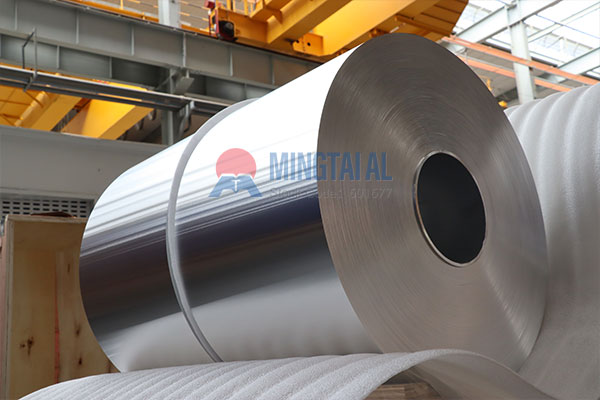
8021 o aluminum foil
Does the barrier performance of 8021 O aluminum foil remain intact after cold forming? This is a question frequently raised by those who work with formed packaging. The answer is not complicated, but it helps to break it down into a few clear aspects.
Defining Barrier Performance: Three Components
When we talk about barrier performance, we are actually referring to three distinct capabilities:
- Moisture barrier – prevents humidity from penetrating, protecting hygroscopic products like pharmaceuticals or battery electrolytes.
- Oxygen barrier – avoids oxidation of active ingredients, extending product shelf life.
- Light block – completely blocks ultraviolet rays, safeguarding light-sensitive materials.
The 8021 alloy (Al‑Fe‑Si, with 1.2–1.7% iron and ≤0.15% silicon) naturally has a dense metallic structure with minimal pinholes. The “O” temper (fully annealed) adds the required softness and formability without compromising that dense structure.
> Barrier is in the genes; formability is the added capability – they coexist in this material.
Does Cold Forming Damage the Barrier? A Three‑Step Look
This is the most common concern. Here is what happens during the process:
1. Before forming – The O temper ensures uniform grain structure and low internal stress, providing sufficient elongation reserve.
2. During forming – The foil is stretched into blister cavities or battery shell shapes. Plastic deformation occurs, but no through‑wall micro‑cracks appear – because the elongation and cupping values are adequate for typical drawing depths.
3. After forming – The structure remains intact, no new pinholes are generated, and barrier performance stays the same as before forming.
Additionally, cold forming requires no heating, so there is no heat‑affected zone that could alter the microstructure. This is a fundamental difference from thermoforming processes.
The clear takeaway: forming does not sacrifice barrier performance – it carries over completely.
Comparing with Plastic Blister Packaging
One sentence sums it up: plastics slow down permeation; aluminum foil blocks it entirely.
|
Aspect |
Plastic (PVC/PVDC) |
8021 O Aluminum Foil (Alu‑Alu structure) |
|
Moisture path |
Permeates through polymer free volume |
Metal crystal lattice – molecules cannot pass |
|
Oxygen barrier |
Relies on coatings or co‑extruded layers |
Physical block by aluminum layer |
|
Light protection |
Needs added pigments |
Fully opaque by nature |
|
Shelf‑life impact |
Relatively shorter |
Significantly extended |
For products that are moisture‑sensitive, oxygen‑sensitive, or light‑sensitive, this difference directly affects whether the product remains effective throughout its shelf life.
Two Proven Applications
The cold‑forming barrier performance of this foil has been validated in two major fields:
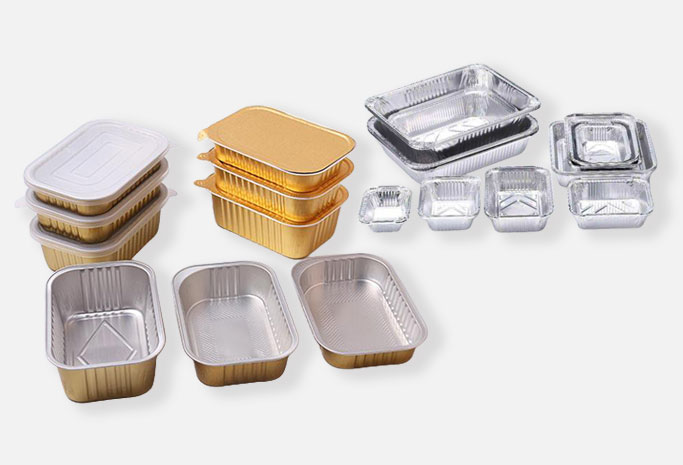
- Used for cold‑formed blisters (tropical blisters) for tablets and capsules.
- Typical thickness: 0.04 – 0.065 mm.
- Complies with FDA, EU, and GB standards, suitable for direct contact with drugs.
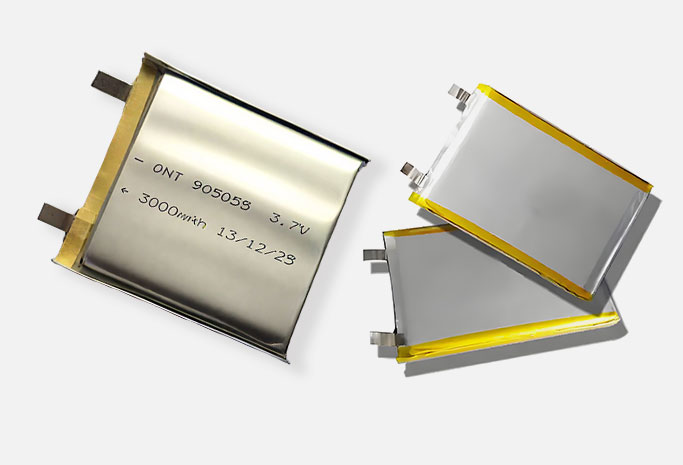
Soft‑pack batteries
- Serves as the middle barrier layer in lithium‑ion battery aluminium laminate film.
- Typical thickness: 0.025 – 0.045 mm.
- Role: blocks external moisture and oxygen from entering the battery, while retaining internal electrolyte, preventing swelling and short circuits.
> Note that in both applications, the foil is supplied in the as‑rolled O temper, without surface treatment or further processing – those subsequent steps (laminating, printing, or bag‑making) are handled by downstream converters.
8021 vs. 8079 – Which One Fits Better?
Both are common alloys for cold forming, but they lean toward different priorities. This table offers a quick reference:
|
Dimension |
8021 |
8079 |
|
Formability |
Better plasticity, suited for complex multi‑cavity or irregular shapes |
Performs more consistently in ultra‑thin gauges (≤0.03 mm) |
|
Typical thickness range |
0.04 – 0.065 mm (pharmaceutical) |
0.025 – 0.08 mm (broader range) |
|
Recommended use |
Complex geometries, deep‑drawn blisters |
Extremely thin requirements, highly sensitive products |
In short: 8021 excels at forming complex shapes; 8079 excels at thinner gauges. Choose based on cavity depth and shape.
Three Practical Takeaways
- The alloy composition provides a dense base, and the O temper ensures forming without cracking.
- The cold forming process itself is low‑temperature, with no thermal damage, so the barrier performance is fully transferred to the finished part.
- Both pharmaceutical and battery sectors have validated its reliability – these are not just theoretical figures.
When evaluating a packaging material, one useful question to ask is: *after forming, how much of its original performance remains?* For 8021 O aluminum foil, the answer is – all of it.
*Mingtai Aluminum supplies 8021 O temper cold‑forming foil base material in customizable specifications. Feel free to enquire about technical data and sample availability.*
FAQ
Q1: Does deep drawing create pinholes that cause leakage?
No – the elongation and cupping values meet standard deep‑draw requirements, and the structure remains intact without new pinholes.
Q2: For cold‑formed blisters, should I choose 8021 or 8079?
8021 offers better plasticity for complex cavities; 8079 suits ultra‑thin gauges – choose based on product thickness and shape.
Q3: Can this foil block UV light completely?
Yes – its metallic structure is fully opaque, providing total light blockage without any coating.