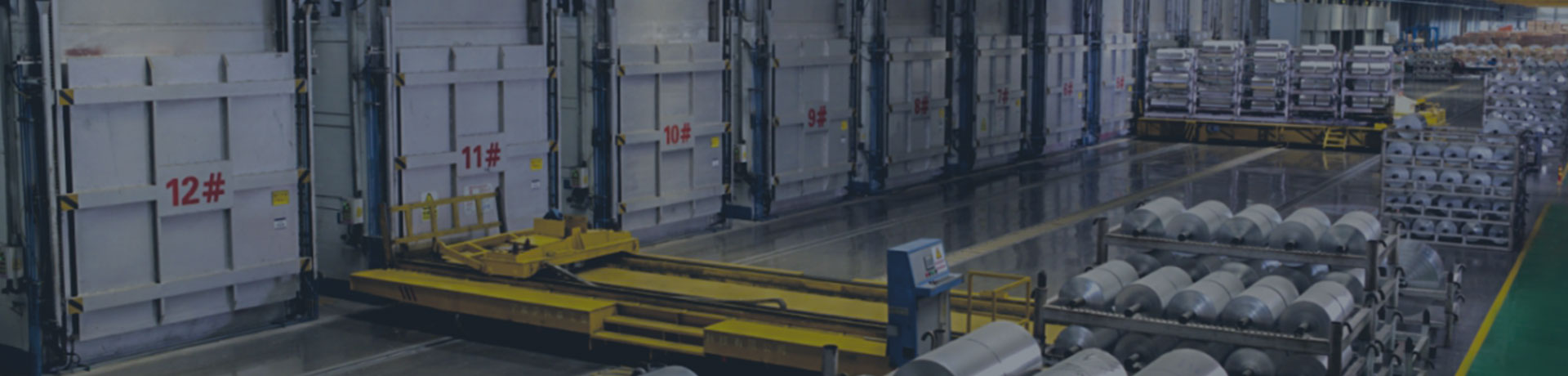
8011 aluminum foil thickness
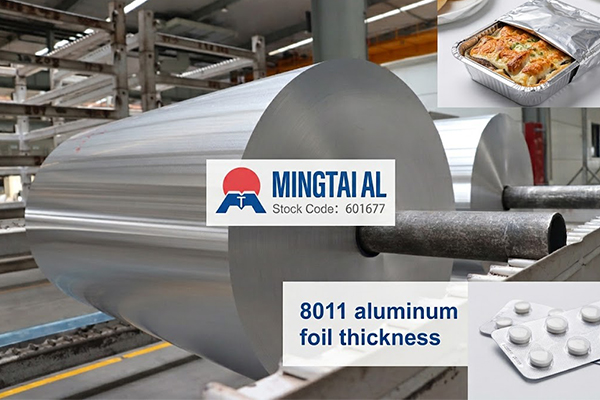
8011 aluminum foil thickness accuracy is often ranked third after price and delivery. Yet in real production, the losses caused by thickness deviation frequently outweigh the small savings gained from a cheaper quote. A tolerance of ±3% versus ±6% on the same packaging line can produce completely different results—poor seals, machine stoppages, scrap products, or even customer complaints. As the workhorse alloy for food packaging, pharmaceutical blister packs, and cable shielding, 8011 foil demands precision that has never been more critical than it is today.
Where Is 8011 Aluminum Foil Used—and at What Thicknesses?
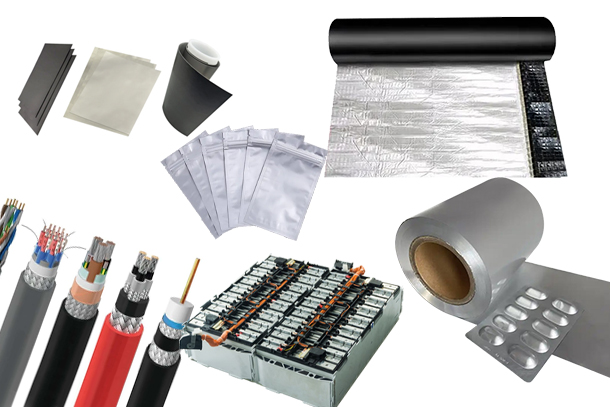
8011 belongs to the 8000 series aluminium alloys, with iron and silicon as its main alloying elements. Compared with pure aluminium foils like 1100 or 1235, it offers superior mechanical strength, better pinhole control, and excellent moisture barrier properties. Key applications include:
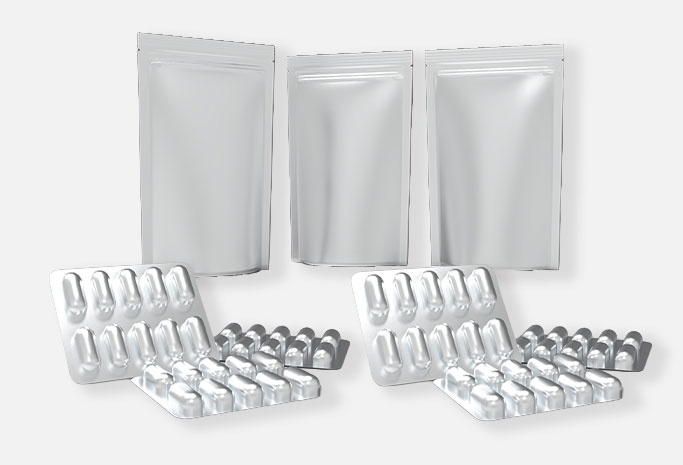
- Pharmaceutical blister packaging – thickness range: 0.016–0.04 mm (mainstream: 0.02, 0.022, 0.025, 0.03 mm). 8011-H18 foil is the standard choice for capsule and tablet blister packs, demanding the tightest tolerance and near‑zero pinholes.
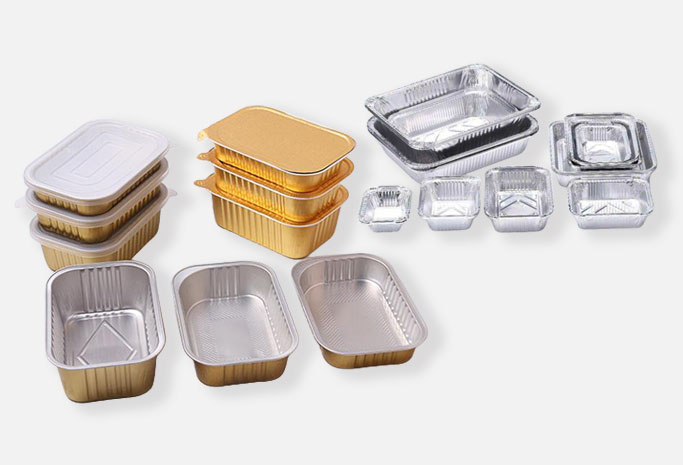
- Food packaging – thickness range: 0.03–0.20 mm for container trays, and thinner gauges for chocolate wrappers and yoghurt lids. This sector consumes the largest volume, relying on 8011’s moisture resistance, light barrier, and food‑safe properties.
- Cable shielding – thickness range: 0.1–0.2 mm for O‑temper foil. Uniform thickness is critical here because any variation directly affects the consistency of electrical shielding along the entire cable length.
What Goes Wrong When Thickness Is Off?
Thickness deviations cause a cascade of problems across production, performance, cost, and compliance:
- Production line disruptions – Inconsistent thickness creates tension fluctuations on high‑speed lines, leading to wrinkling, tearing, and web breaks. Uneven heat conduction also causes poor sealing in some areas and overheating in others, resulting in frequent stoppages and wasted material.
- Compromised end‑product performance – Thinner foil increases pinhole risk, allowing moisture and oxygen to penetrate—especially dangerous for pharmaceuticals, where shelf life can drop from 24 months to just a few. Thickness variation also affects coating uniformity and weakens heat‑seal strength.
- Hidden cost penalties – Oversized foil means paying for extra aluminium you do not need; undersized foil leads to rejects, complaints, or recalls. Industry experts note that a mere 0.001 mm difference can shift cost by thousands of yuan per tonne, making tight gauge control a real money‑saver.
- Regulatory non‑compliance – National and international standards (GB/T 3198, ASTM B479, EN 546, JIS H4160) define specific tolerances. Any deviation beyond the agreed limit makes the product non‑conforming—and in regulated sectors like pharmaceuticals, that is simply unacceptable.
How Is Thickness Precision Achieved and Controlled?
During rolling, foil thickness is influenced by rolling force, roll gap, thermal expansion of the rolls, and mill acceleration. Modern production lines use X‑ray or beta‑ray gauges for real‑time online measurement, coupled with automatic control systems to achieve micron‑level accuracy.
Typical commercial tolerances are around ±5%. For high‑end applications such as pharmaceutical foil, tighter tolerances of ±2% are available. When evaluating suppliers, buyers should consider:
- Whether the supplier uses online thickness gauging with closed‑loop control
- Whether the product datasheet clearly states the tolerance grade (ordinary / high / ultra‑high)
- Whether each coil comes with a thickness test report
Thickness Selection Guide by Application
|
Application |
Recommended Thickness Range |
Key Consideration |
|
Pharmaceutical blister packs |
0.016–0.04 mm |
Mainstream 0.02 mm; stringent pinhole limits |
|
Food container trays |
0.03–0.20 mm |
Balance formability with strength |
|
Yoghurt lids / lidding foil |
0.04–0.09 mm |
Uniformity affects heat‑seal performance |
|
Cable shielding |
0.1–0.2 mm |
Tolerance affects shielding consistency |
Choosing the right thickness is not about going thicker or thinner—it is about getting it precisely right for your process.
Why Precision Pays Off
In today’s market, controlling 8011 aluminum foil thickness is not just a technical specification—it is a competitive advantage. Whether you are packaging life‑saving drugs, preserving fresh food, or ensuring reliable cable performance, thickness accuracy directly determines product quality, regulatory compliance, and your bottom line. Selecting a supplier with proven gauge control is not merely a purchasing decision; it is a risk‑management strategy.
Henan Mingtai Al offers a comprehensive range of 8011 aluminium foil with precise thickness control for pharmaceutical, food, and industrial applications. Reach out to discuss your exact thickness requirements.
FAQ
Q: What is the standard thickness tolerance for 8011 aluminium foil?
A: Typically ±5%, with tighter ±2% available for pharmaceutical and other high‑precision uses.
Q: What happens if the thickness deviates too much?
A: It can cause poor sealing, web breaks, reduced barrier performance, and even regulatory non‑compliance.
Q: What thickness is used for pharmaceutical blister packaging?
A: Commonly 0.016–0.04 mm, with 0.02 mm being the most popular spec.
Q: How is foil thickness measured during production?
A: Using X‑ray or beta‑ray gauges with real‑time monitoring and automatic feedback control.
Q: Why choose 8011 over pure aluminium foils?
A: 8011 offers better strength, pinhole resistance, and moisture barrier than 1100 or 1235 grades.