8011 aluminum foil lamination
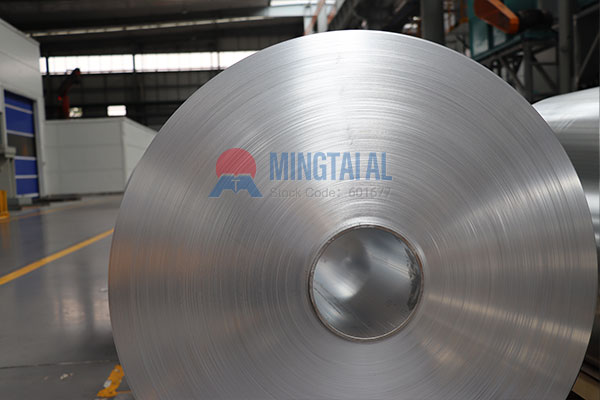
For barrier pouches, the quality of the aluminium layer directly determines whether oxygen, moisture, and light are effectively blocked out. That is why 8011 aluminum foil lamination has become a go‑to choice in the flexible packaging industry.
The 8011 alloy (Al‑Fe‑Si system) offers a strong balance between tensile strength, puncture resistance, and formability. Compared with pure aluminium foils like 1235, 8011 delivers higher strength and better tear resistance while remaining flexible enough for smooth bonding with PE, PP, or PET films. In the soft O temper condition, it runs well on high‑speed laminating lines.
Common Lamination Issues – Part One (Wrinkling & Bubbles)
Wrinkling – uneven surface or loose edges (like a “wave” edge) often appear during aluminium‑plastic or aluminium‑paper combining. Causes include poor incoming flatness, uneven roll pressure, or incorrect reduction schedules. The fix: choose foil rolls with tight flatness control and ensure the laminator rollers are perfectly parallel with uniform pressure.
Bubble defects – these usually show up along the foil edges as intermittent bubbles. Overly high annealing temperatures or excessive heating time are the main triggers. Foil with bubbles is not suitable for direct lamination because it tends to wrinkle. Pay extra attention when using wet lamination processes with paper.
Common Lamination Issues – Part Two (Delamination & Thickness Variation)
Delamination – poor bonding between layers destroys the barrier function. This is often linked to incompatible adhesives or insufficient surface cleanliness on the foil. 8011 foil typically achieves an A‑grade water‑break test result, which supports strong adhesion with PE and PET when using the right adhesive system.
Weak spots from thickness variation – uneven gauge creates thin areas that rupture under stress, compromising bag strength. The solution is to source 8011 foil with strict thickness tolerance (e.g., ±3% or better).
Typical Structure and Process Tips
A standard barrier pouch build‑up looks like this:
- Outer layer – PET or nylon for mechanical strength and printability
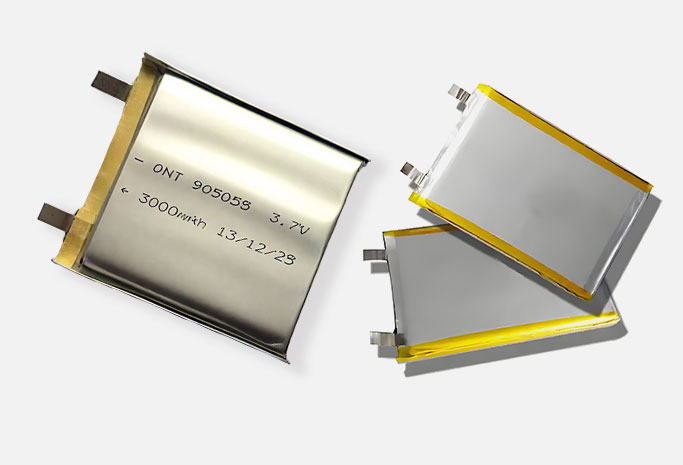
- Middle layer – 8011 aluminium foil – the core barrier
- Inner layer – PE or CPP for heat sealing
The foil is the critical barrier component, while the outer and inner layers provide protection and sealability. Dry lamination is widely used, and a two‑component polyurethane adhesive works well with both foil and film. Uniform tension control during lamination is essential – uneven tension is a leading cause of web breaks and wrinkling.
Choosing the Right Thickness
20 microns is a key threshold for barrier pouch lamination. Foils at or above this thickness have significantly fewer pinholes, ensuring reliable barrier integrity. Many consider 20 microns the “sweet spot” – thick enough to minimise pinholes, yet thin enough to keep material usage economical.
- 20–30 microns – the most common range for everyday barrier pouch applications
- Above 30 microns – for extreme barrier demands or harsh processing conditions (e.g., high‑temperature retort)
In the O temper, 8011 foil remains flexible and stable under both retort sterilisation (high heat/pressure) and frozen storage (very low temperatures), without becoming brittle.
Three Essentials for Success
Achieving perfect barrier pouches with 8011 aluminium foil comes down to three things: selecting the right alloy, controlling each lamination step, and picking the correct thickness. Start with quality foil and fine‑tune your process, and you will get consistent, reliable results. That is why 8011 aluminum foil lamination remains a trusted solution for demanding packaging lines.
As a dedicated producer of 8011 foil in thicknesses of 20 microns and above, Henan Mingtai Aluminum supplies stable, high‑quality material for your barrier pouch production.
FAQ
Q: Why choose 8011 instead of 1235 for barrier pouches?
A: 8011 provides higher tensile strength and better puncture resistance while staying formable.
Q: What thickness range is most practical for regular pouch orders?
A: 20–30 microns is the most common range, balancing barrier performance and cost.
Q: How can I tell if the foil surface is clean enough before laminating?
A: A water‑break test showing an A‑grade result confirms good surface cleanliness for adhesion.
Q: Can 8011 foil handle retort sterilisation without failing?
A: Yes, in O temper it maintains flexibility and integrity under retort heat and pressure.
Q: What causes pinholes in the final laminated pouch?
A: Pinholes usually come from foil thinner than 20 microns or from poor rolling quality – stick to 20‑micron‑plus foil from a reliable mill.