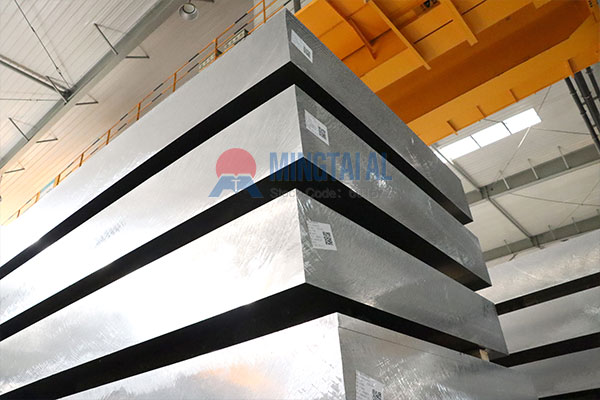
6061 t651 aluminum plate
If you are searching for “6061 t651 aluminum plate”, chances are you need more than just a data sheet. You want to know what this material can actually do for your project—and whether it is worth the extra cost over T6.
This article answers the real questions that come up most often, so you can decide quickly and confidently.
What Exactly Is 6061-T651?
It is a heat‑treated, prestretched aluminum product from the 6xxx series (Al‑Mg‑Si). The T651 temper means it has been solution heat‑treated, artificially aged, and then *stretched permanently* to relieve internal stress.
Key alloying elements (by mass fraction):
- Silicon: 0.40%–0.80%
- Magnesium: 0.80%–1.20%
- Copper: 0.15%–0.40%
- Iron: ≤0.70%
- Manganese: ≤0.15%
- Chromium: 0.04%–0.35%
- Zinc: ≤0.25%
- Titanium: ≤0.15%
Typical mechanical properties:
- Tensile strength: ≥290 MPa
- Yield strength: ≥240 MPa
- Brinell hardness: ≥90 HB
- Density: ~2.73 g/cm³ (about 60% lighter than steel)
The Most Common Question: T6 vs. T651 – What’s the Real Difference?
This is the #1 question people ask.
The only difference is internal stress.
T6 has high strength, but the quenching process locks in residual stress—like a twisted towel that looks fine until you cut into it. T651 adds a prestretching step (1%–3% permanent elongation) that releases that stress.
Strength is identical in both tempers. The difference is *stability during machining*.
So how do you choose?
- If you only need simple cutting or structural parts with loose tolerances → T6 is fine.
- If you are doing CNC milling, deep pocketing, mold making, or thin‑wall parts → you need T651.
Using T6 for precision work often leads to warping and scrap after material removal. T651 holds its shape, giving you much higher yield.
Yes, T651 costs more because of the extra step—but that extra cost pays back in reduced rejects and better accuracy.
Core Advantages of This Grade
Here is why so many shops rely on it:
- Excellent machinability – easy to cut, drill, and mill, with no built‑up edge issues.
- Stable dimensions after machining – the prestretched treatment keeps flatness even after heavy material removal.
- Good weldability – works well with both GTA‑W and GMA‑W processes.
- Strong corrosion resistance – performs reliably in industrial and outdoor environments.
- Balanced overall performance – a great combination of strength, workability, weldability, and durability.
Which Industries Use It Most?
You will find this alloy in a wide range of fields. Here are the main ones:
- Aerospace – aircraft fittings, structural parts, and fuselage panels
- Automotive – chassis components, body structures, and engine parts
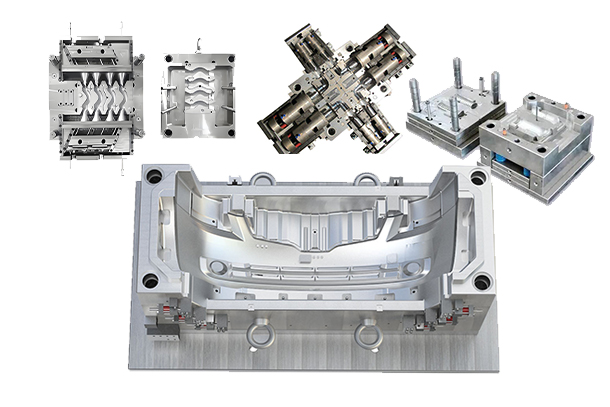
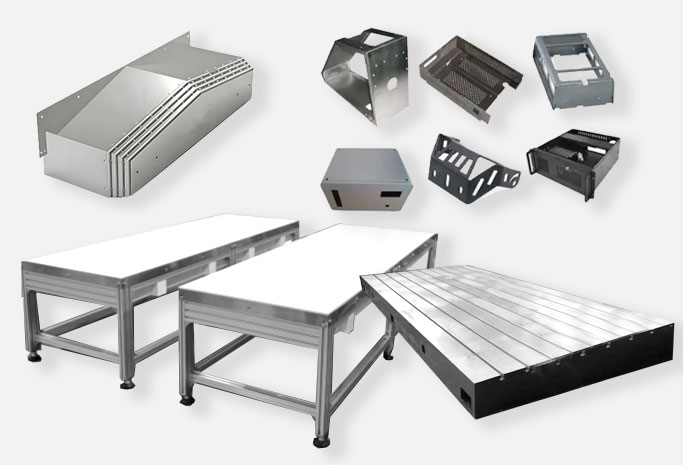
- Precision machining & mold making – CNC parts, mold plates, and automation components
- 3C electronics – phone card slots, electronic enclosures, and precision instrument bases
- Marine & construction – ship fittings, tower structures, piping, and hardware
- General industry – valve parts, brake pistons, electrical fittings, and bicycle frames
In short: if your project needs medium strength, good corrosion resistance, and tight dimensional control, this material is a strong candidate.
What to Clarify Before You Order
From experience, the biggest pitfalls are not about price—they are about details that are easy to overlook.
① Confirm the temper explicitly.
Saying “6061” is not enough. T6 and T651 perform very differently, and their prices differ too.
② Give full dimensions and tolerances.
Thickness, width, length, and flatness tolerance—the more precise you are, the more accurate the quote. Typical thickness ranges from 0.3 mm to 500 mm, and widths from 100 mm to 2650 mm.
③ Tell the supplier your intended process.
Are you making a mold? CNC parts? Structural beams? This helps them recommend the best specification.
④ State your flatness requirement up front.
If your machining demands a high level of flatness, mention it clearly when requesting a quote.
⑤ Understand the pricing structure.
Aluminum plate prices are usually “metal cost + processing fee.” Different tempers and sizes have different processing fees.
⑥ Check lead time and minimum order quantity.
Custom orders typically take a few weeks, while standard thicknesses are often available from stock.
When you evaluate your options for 6061 t651 aluminum plate, always compare the total cost of ownership—not just the upfront price—because the right temper can save you far more in scrap and rework.
FAQ
Q: Should I choose T6 or T651 for my project?
A: Choose T651 for precision machining and tight tolerances; choose T6 for basic structural parts where warping is not a concern.
Q: What thickness range is available for this plate?
A: Standard thicknesses range from 0.3 mm up to 500 mm, with widths up to 2650 mm.
Q: Is 6061-T651 strong enough for heavy‑duty applications?
A: With ≥290 MPa tensile and ≥240 MPa yield strength, it offers reliable performance for most medium‑strength industrial uses.
*Henan Mingtai Al supplies high‑quality 6061‑T651 aluminum plate in a full range of sizes. Feel free to reach out for more information.*