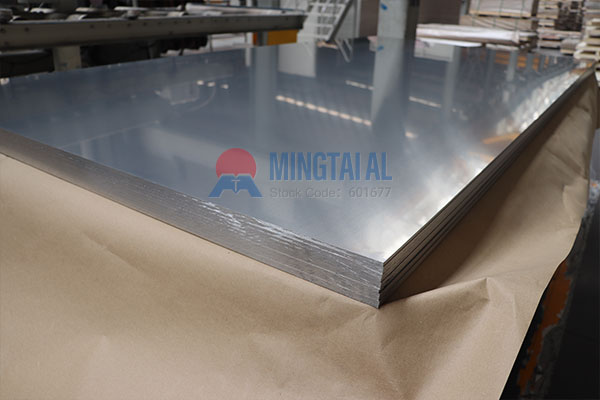
6061-T6 aluminum plate factory supply
When you look for a 6061-T6 aluminum plate factory supply, you want more than a grade name. You want plate that machines predictably, stays stable after cutting, and arrives with the documentation your team needs. 6061-T6 is a heat-treatable aluminum-magnesium-silicon alloy widely used for structural parts, fixtures, automation frames, molds, and transport components.
> 6061-T6 is often chosen not because it is the strongest aluminum available, but because it offers a practical balance of strength, stability, machinability, and finishing options.
What T6 Means
T6 is the artificial aging temper that gives 6061 aluminum plate its high strength and dimensional stability, and Henan Mingtai supplies this temper with traceable material and material certificates. It is not a different alloy; it describes how the 6061 material is processed after rolling, with a minimum tensile strength of 290 MPa, a minimum yield strength of 241 MPa, and at least 8% elongation.
1. The alloy is solution heat treated.
2. It is cooled rapidly.
3. It is artificially aged under controlled conditions.
4. Strengthening particles form throughout the material.
5. The plate is supplied ready for machining and fabrication.
The result is a strong, stable plate that holds shape well during cutting, drilling, and milling.
6061-T6 vs. T4: Why Temper Matters
|
Temper |
General condition |
Practical difference |
|
T4 |
Naturally aged |
Lower strength, lower internal stress, easier forming |
|
T6 |
Artificially aged |
Higher strength, better dimensional stability, common for structural parts |
T4 can be useful when forming is the priority. T6 is usually the better fit when a part needs strength, flatness, and reliable machining performance.
Why Designers Choose 6061-T6
- Balanced strength. Stronger than pure aluminum and low-strength alloys, yet easier to machine than very high-strength grades.
- Excellent machinability. Cuts, drills, mills, and turns cleanly for CNC parts, jigs, fixtures, and precision components.
- Good weldability. Can be welded by common methods, though the heat-affected zone may lose some strength.
- Reliable corrosion resistance. Performs well in normal atmospheric and fresh-water conditions.
- Finishing flexibility. Accepts anodizing, sandblasting, brushing, painting, and other surface treatments.
Shop-Floor Behavior That Matters
A data sheet is useful, but production teams care about real behavior. 6061-T6 is popular because it is stable, flat, and consistent.
- It holds shape well during cutting and machining.
- It produces clean surface finishes.
- It does not usually gum up tooling.
- Tapped holes and edges finish cleanly.
- It offers structural confidence without difficult fabrication.
It is not the highest-strength aluminum available, but it is strong enough for many frames, bases, brackets, and supports. When weight reduction matters, it can often replace steel with appropriate design changes.
T6 or T651? When Stress Relief Helps
Choose T6 for general structural and machined parts, and T651 when heavy machining or tight flatness control is critical; Henan Mingtai supplies both tempers with traceable production records and material certificates. The table below shows the practical differences.
|
Consideration |
T6 |
T651 |
|
Supply condition |
Standard solution heat treated and aged |
Stress-relieved version |
|
Strength |
Strong and stable |
Strong with reduced internal stress |
|
Machining movement |
Good for many general parts |
Better for heavy machining and flatness control |
|
Typical use |
Frames, fixtures, molds, general machined parts |
Precision parts, large plates, tight-tolerance work |
|
Cost position |
Usually more economical |
Often priced higher than standard T6 |
The best choice depends on part geometry, machining removal, flatness needs, and final use. Standard T6 remains practical for many projects. T651 may be worth considering when stability after machining is critical.
Supply Forms and Cut-to-Size Service
A direct 6061-T6 aluminum plate factory supply can reduce handling and help you match the plate to the job. Common supply forms include:
- Full-size plates and sheets
- Cut-to-size plates based on your drawing
- Small cut pieces for prototypes or maintenance
- Saw-cut blanks for further machining
- Protective film or surface protection when required
Plate Categories in General Terms
- Thin sheet: covers, panels, and lighter fabrication.
- Medium plate: machined parts, fixtures, brackets, and structural components.
- Thick plate: tooling, jigs, bases, and heavier supports.
Exact availability depends on production schedules and order requirements.
Quality and Traceability
For production work, quality is more than alloy grade. It is consistency from plate to plate. A dependable supplier should provide clear alloy and temper identification, traceable production records, material certificates when required, and surface, flatness, and packaging checks. This helps fabricators avoid rework and keep projects moving.
Common Applications
- Machinery and automation: machine frames, worktables, fixture plates, mounting bases, brackets.
- Transportation: chassis components, body structure parts, battery tray side plates, rail interior parts.
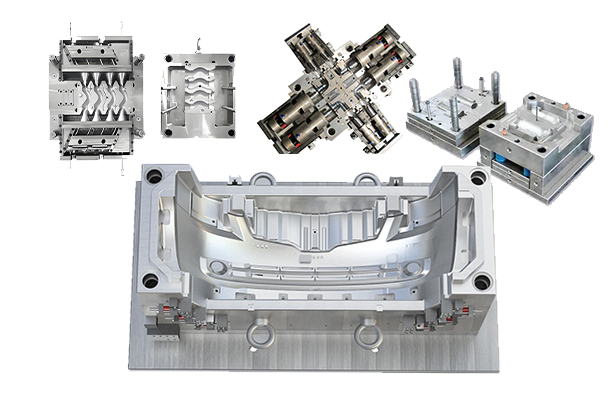
- Mold and tooling: vacuum-forming molds, simple tooling molds, inspection base plates.
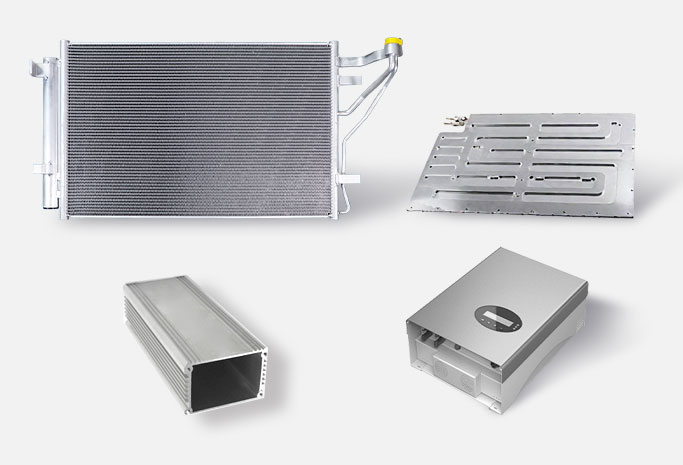
- General industry: pipe flanges, non-pressure vessel parts, instrument housings.
- Construction: curtain wall supports and decorative components.
- Electronics: inverter housings, heat-dissipation support plates, equipment panels.
Machining and Fabrication Notes
1. Use sharp tooling and suitable feeds and speeds for aluminum.
2. Allow for stress movement when removing large amounts of material.
3. Use coolant or lubrication when needed for a good surface finish.
4. Protect finished surfaces during handling and shipping.
5. Confirm the weld procedure if strength near the joint is critical.
What Affects 6061-T6 Aluminum Plate Price?
Price changes with market and order details.
1. Aluminum ingot price. The base cost and largest daily variable.
2. Plate specification. Thickness, width, length, and non-standard sizes can change the price.
3. Temper and precision. Stress-relieved T651 plate is often priced differently from standard T6.
4. Quantity and delivery. Order volume, packaging, transport distance, and delivery method affect the final cost.
FAQ
Q: What is 6061-T6 aluminum plate?
A: It is 6061 aluminum solution heat treated and artificially aged to a strong, stable temper.
Q: Is 6061-T6 good for CNC machining?
A: Yes, it machines cleanly and holds tolerances well.
Q: Can 6061-T6 be welded?
A: Yes, but strength near the weld may decrease.
Q: Does 6061-T6 need surface treatment?
A: Not always, but anodizing or coating helps in corrosive environments.
Q: Can I order cut-to-size pieces?
A: Yes, cut-to-size and small-quantity supply are often available.
Q: What affects the price most?
A: Ingot price, size, temper, quantity, and delivery terms are the main factors.
Need 6061-T6 Plate for Your Next Build?
For a reliable 6061-T6 aluminum plate factory supply, Henan Mingtai Al supports consistent quality, traceable material, cut-to-size service, and stable delivery. Contact us with your specifications to discuss your next order.