5xxx vs 6xxx aluminum series
When comparing 5xxx vs 6xxx aluminum series, strength is often the first factor that comes to mind. However, material selection involves much more than mechanical performance. Formability, corrosion resistance, weldability, and intended application all influence whether one series is a better fit than the other. Understanding these differences helps simplify material selection and reduces the risk of choosing an alloy that does not meet long-term performance requirements.
A Quick Comparison of 5xxx and 6xxx Aluminum
Although both series are widely used across industrial manufacturing, they are designed with different priorities.
|
Property |
5xxx Series |
6xxx Series |
|
Main Alloying Element |
Magnesium |
Magnesium & Silicon |
|
Heat Treatable |
No |
Yes |
|
Strength |
Medium to High |
Medium to High (after heat treatment) |
|
Formability |
Excellent |
Good |
|
Corrosion Resistance |
Excellent |
Very Good |
|
Weldability |
Excellent |
Good |
|
Common Products |
Marine panels, tanks, vehicle body sheets |
Structural components, architectural profiles, transportation parts |
As a general rule, the 5xxx series focuses on corrosion resistance and forming performance, while the 6xxx series offers higher structural strength after heat treatment.
Strength Comparison: Which Series Performs Better?
Selecting aluminum based only on tensile strength can be misleading. Different projects demand different performance characteristics.
5xxx Series
The strength of 5xxx alloys comes from magnesium and work hardening rather than heat treatment. These alloys maintain reliable mechanical properties after welding and perform well under dynamic loading conditions.
Typical advantages include:
- Stable strength after welding
- Good fatigue resistance
- Reliable performance in humid or marine environments
6xxx Series
The 6xxx series gains strength through heat treatment, making it suitable for components that require greater rigidity and load-bearing capacity.
It is commonly selected for:
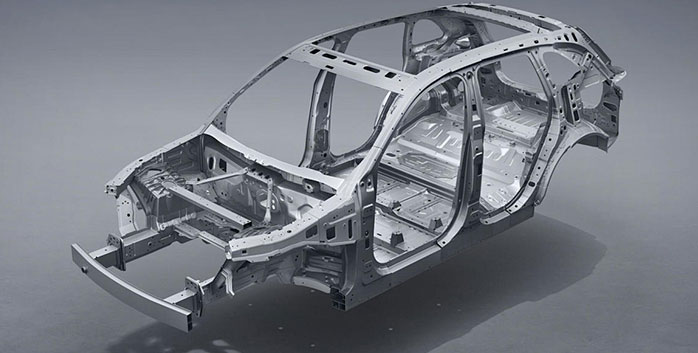
- Structural frames
- Transportation equipment
- Construction systems
- Industrial machinery
Practical tip: If the design mainly depends on structural stiffness, the 6xxx series is generally the stronger option. If welded assemblies and corrosion resistance are equally important, the 5xxx series often provides a better balance.
Why Formability Makes a Difference
Strength is only one part of the manufacturing process. Ease of forming directly affects production efficiency and finished product quality.
The 5xxx series is well known for its excellent formability, allowing complex bending, deep drawing, and stamping with a lower risk of cracking. This makes it a preferred choice for products with intricate shapes or large formed panels.
The 6xxx series also offers good forming performance, especially before heat treatment, but it is more commonly used where dimensional stability and final structural strength are prioritized.
For applications involving extensive shaping, the 5xxx series usually provides greater processing flexibility.
Corrosion Resistance and Weldability
Outdoor exposure, moisture, and chemical environments place high demands on aluminum materials.
The 5xxx Series Excels In:
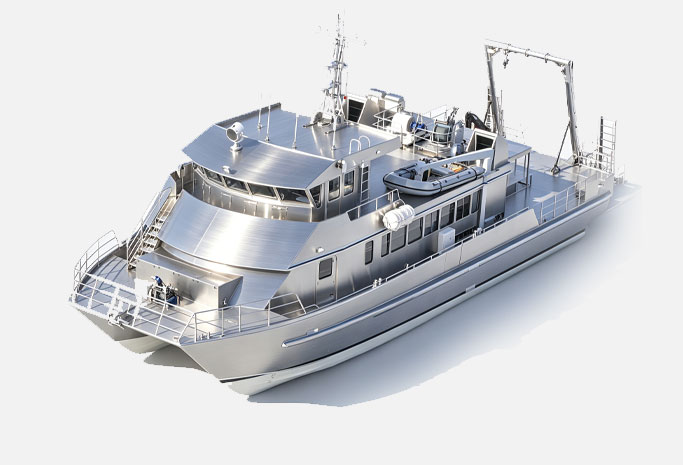
- Marine equipment
- Coastal structures
- Chemical storage tanks
- Food processing equipment
Its naturally high resistance to saltwater corrosion makes it one of the most widely used aluminum series in marine applications.
The 6xxx Series Offers:
- Good atmospheric corrosion resistance
- Attractive anodized finishes
- Strong performance in architectural environments
Both series can be welded successfully, but the 5xxx series generally retains its mechanical properties more effectively after welding.
Cost Considerations
Material cost should always be evaluated together with processing efficiency and service life rather than the alloy price alone.
Several factors influence the final cost:
- Alloy composition
- Heat treatment requirements
- Manufacturing complexity
- Material utilization
- Expected maintenance costs
In many standard sheet and coil applications, 5xxx alloys can provide an economical solution because they do not require heat treatment while still delivering excellent corrosion resistance and formability.
However, when higher structural performance reduces material thickness or improves product durability, the 6xxx series may become the more cost-effective choice over the entire product lifecycle.
Choosing the Right Series for Different Applications
Instead of asking which series is better, it is more useful to consider which one better matches the intended application.
Choose the 5xxx series when the project requires:
- Excellent corrosion resistance
- Complex forming or deep drawing
- Frequent welding
- Marine or chemical environments
- Pressure vessels and storage tanks
Choose the 6xxx series when the project requires:
- Higher structural strength
- Lightweight load-bearing components
- Architectural systems
- Transportation structures
- Excellent surface appearance after anodizing
Matching the alloy characteristics with the working environment often leads to better long-term performance than selecting based solely on strength values.
Final Thoughts
Understanding the differences between the 5xxx vs 6xxx aluminum series helps simplify material selection for a wide range of industrial applications. While the 5xxx series stands out for corrosion resistance, weldability, and excellent formability, the 6xxx series is often favored where higher structural strength and heat-treated performance are required. Evaluating the manufacturing process, service environment, and mechanical requirements together will lead to a more reliable material choice.
Mingtai Aluminum supplies a wide range of 5xxx and 6xxx aluminum sheets, coils, and plates with stable quality and customizable specifications for global industrial applications. Our technical team is ready to help you identify the most suitable alloy for your project.
FAQ
Is the 5xxx series stronger than the 6xxx series?
Not necessarily. Heat-treated 6xxx alloys generally provide higher structural strength, while 5xxx alloys offer an excellent balance of strength, corrosion resistance, and weldability.
Which aluminum series is better for marine environments?
The 5xxx series is widely preferred because of its outstanding resistance to seawater corrosion and reliable welded performance.
Is the 5xxx series easier to form?
Yes. It is generally better suited for bending, stamping, and deep drawing, making it ideal for parts with complex shapes.
How should I choose between these two aluminum series?
Consider the working environment, forming requirements, welding needs, and structural strength together. The most suitable choice depends on the specific application rather than a single performance indicator.