aluminum foil for insulation
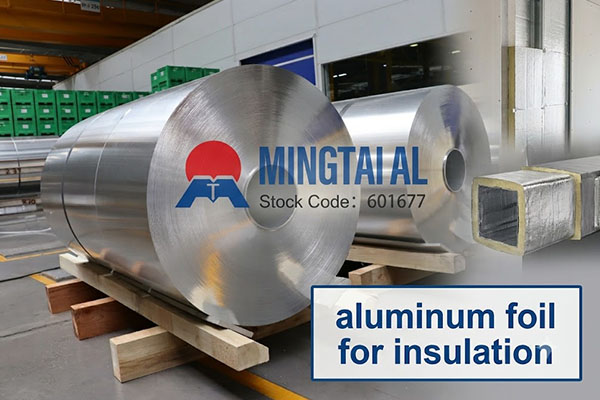
Choosing the right aluminum foil for insulation is an important step in improving energy efficiency and extending the service life of insulation systems. Whether it is used in HVAC ducts, industrial pipelines, building envelopes, or cold storage facilities, the material should provide reliable heat reflection, moisture resistance, and long-term durability. Understanding the relationship between alloy, thickness, and application makes it much easier to select a suitable solution for different environments.
Why Aluminum Foil Plays an Important Role in Insulation
Insulation materials reduce heat transfer, while aluminum foil enhances their overall performance by reflecting radiant heat and protecting the insulation layer from moisture. This combination helps maintain stable temperatures and reduces unnecessary energy consumption.
Its advantages include:
- Excellent heat reflectivity
- Effective moisture and vapor barrier
- Good corrosion resistance
- Lightweight construction
- Long service life
- Easy lamination with different insulation materials
These characteristics explain why aluminum foil has become a standard facing material across many thermal insulation products.
Where It Is Commonly Used
Different insulation systems have different performance requirements, but aluminum foil remains a versatile choice across many industries.
|
Application |
Main Purpose |
|
HVAC duct insulation |
Reduce heat loss and improve system efficiency |
|
Building wall insulation |
Increase thermal performance and moisture protection |
|
Roof insulation |
Reflect solar radiation and improve indoor comfort |
|
Pipe insulation |
Maintain process temperatures and prevent condensation |
|
Cold storage panels |
Improve temperature stability and energy savings |
|
Industrial equipment |
Protect insulation layers in demanding environments |
Each application may require different material specifications depending on installation conditions and operating temperatures.
Choosing the Right Alloy
Several aluminum alloys are widely used in insulation products, each offering different advantages.
1100 Aluminum Foil
Known for excellent corrosion resistance and high thermal conductivity, this alloy is suitable for general insulation applications where excellent formability is required.
1235 Aluminum Foil
With outstanding flexibility, 1235 is often selected for laminated insulation products that require smooth processing and good adaptability.
8011 Aluminum Foil
8011 combines good mechanical strength with reliable corrosion resistance, making it one of the most popular choices for insulation facing materials in industrial production.
Rather than focusing only on alloy numbers, it is helpful to evaluate the complete performance requirements of the finished product.
Thickness Matters More Than Expected
Thickness affects durability, handling performance, and manufacturing efficiency. Selecting a thicker material does not always produce better results.
The following ranges are commonly used as a reference:
|
Thickness |
Typical Application |
|
0.03 mm |
Building insulation |
|
0.05 mm |
HVAC insulation |
|
0.06 mm |
Pipe insulation |
|
0.08 mm |
Industrial equipment |
|
0.10 mm |
Heavy-duty insulation systems |
The most appropriate thickness depends on the insulation structure, lamination method, and expected service environment.
Four Common Selection Mistakes
Instead of selecting material only by appearance or basic specifications, it is worth paying attention to several frequently overlooked factors.
1. Choosing Thickness Without Considering Processing
A thicker foil may increase rigidity, but it can also influence lamination quality and forming performance.
2. Ignoring Moisture Protection
Heat reflection is important, but long-term insulation performance also depends on preventing moisture from entering the insulation layer.
3. Looking Only at Alloy Numbers
Different production processes and quality control standards can significantly affect final performance, even when the alloy designation is the same.
4. Forgetting the Installation Environment
Indoor facilities, outdoor construction, industrial plants, and coastal regions all present different environmental challenges. Temperature variation, humidity, and corrosion conditions should be considered before determining material specifications.
A Simple Checklist Before Finalizing Specifications
Preparing several technical details in advance can help ensure the selected material matches the intended application.
✔ Required alloy
✔ Thickness range
✔ Coil width
✔ Temper condition
✔ Surface finish requirements
✔ Operating temperature
✔ Lamination or composite process
Having this information ready makes specification matching more accurate and reduces unnecessary production adjustments later.
Ready for Your Next Insulation Project?
Selecting suitable insulation materials is not simply about choosing the thickest foil or the highest alloy grade. A balanced combination of material properties, processing compatibility, and application requirements often delivers the best long-term performance.
Mingtai Aluminum supplies high-quality aluminum foil coils in multiple alloys, thicknesses, and widths for insulation material manufacturing. Consistent quality and flexible specifications help support a wide range of industrial applications.
FAQ
What is the best alloy for aluminum foil for insulation?
8011 is one of the most commonly used alloys because it offers a good balance of strength, corrosion resistance, and processing performance.
What thickness is commonly used?
Most insulation products use thicknesses ranging from 0.03 mm to 0.10 mm, depending on the application.
Does aluminum foil improve thermal efficiency?
Yes. Its highly reflective surface helps reduce radiant heat transfer while providing an effective moisture barrier.
Can it be used outdoors?
Yes. When combined with suitable insulation materials and protective structures, it performs well in many outdoor environments.