5754 h22 aluminum sheet
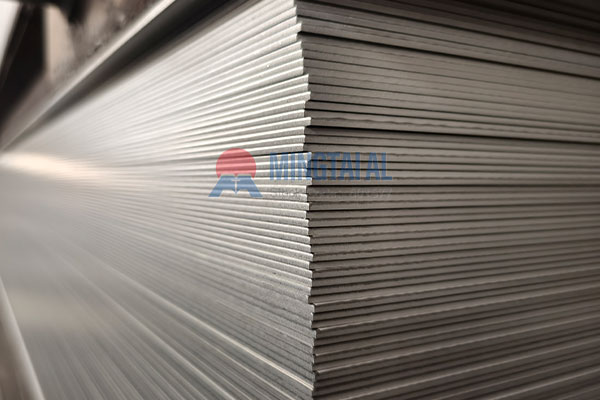
5754 H22 aluminum sheet is an Al-Mg (aluminium‑magnesium) alloy with a magnesium content of 2.6%–3.6%. It does not rely on heat treatment for strengthening; instead, its mechanical properties are achieved through cold working followed by partial annealing. The H22 temper sits right between the fully soft annealed condition and the fully hard cold‑worked state – a balanced position that makes this material one of the most versatile choices in the 5xxx series.
Core Mechanical Properties: Moderate Strength, Excellent Corrosion Resistance, and Good Weldability
In terms of strength, typical values for 5754 H22 are:
- Tensile strength: 230–270 MPa
- Yield strength: 140–170 MPa
- Elongation: about 16%–20%
- Brinell hardness: approximately 63 HB
This strength level lies between 5052 and 5083, filling the gap for applications requiring medium‑strength aluminium‑magnesium alloys.
Corrosion resistance is another outstanding feature. It performs exceptionally well against seawater, industrial atmospheres, and many chemical media, making it a recognised rust‑proof aluminium alloy. In marine environments, its stability is particularly reliable.
Weldability is also worth noting. MIG, TIG, and resistance spot welding are all well suited, with only limited strength loss in the heat‑affected zone. Welded joints still maintain good mechanical performance.
Bending Limits and Practical Forming Guidelines
Bending is one of the most common concerns in actual fabrication. 5754 H22 offers good bendability, but a few key points deserve special attention:
1. Bending radius – Thicker sheets require larger reasonable radii. The exact value depends on thickness and bending direction; there is no one‑size‑fits‑all number.
2. Bending direction – The angle relative to the rolling direction affects the result. It is advisable to run small‑scale tests before formal production.
3. Springback control – Some springback occurs after bending, so die design should allow for compensation.
4. Tight bends – If the part demands a very small bending radius, consider switching to the softer 5754 H111 temper, as H22 is more prone to edge cracking under extremely tight bending.
Beyond bending, this material supports stamping, stretching, blanking, and other cold‑forming processes. Its surface is flat and its workability is stable. With proper tooling and process parameters, satisfactory forming results are readily achievable.
Typical Application Fields
5754 H22 is widely used across several industries:
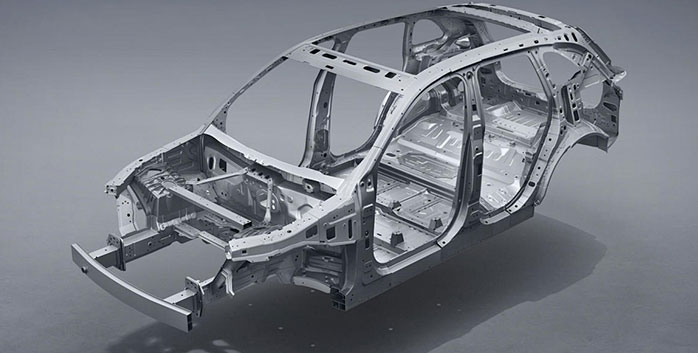
- Automotive manufacturing – door inner panels, engine hood inner panels, fenders, fuel tank shells, B‑pillar reinforcements, battery pack housings. Lightweighting benefits are significant, helping improve fuel economy.
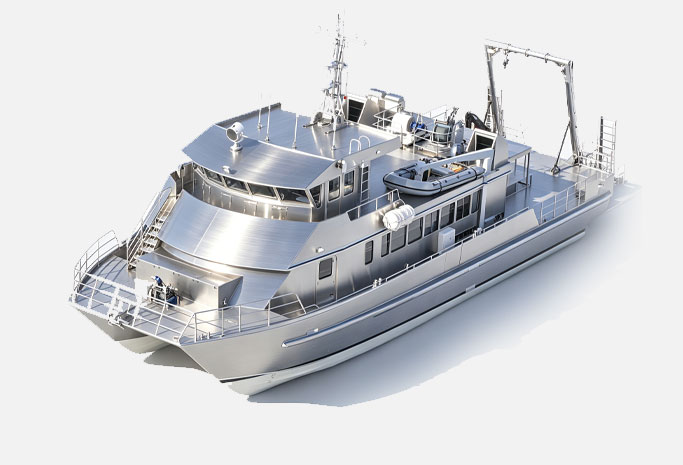
- Shipbuilding – hull structures, decks, bulkheads, seawater piping systems, fuel tanks. Seawater corrosion resistance is the primary advantage here.
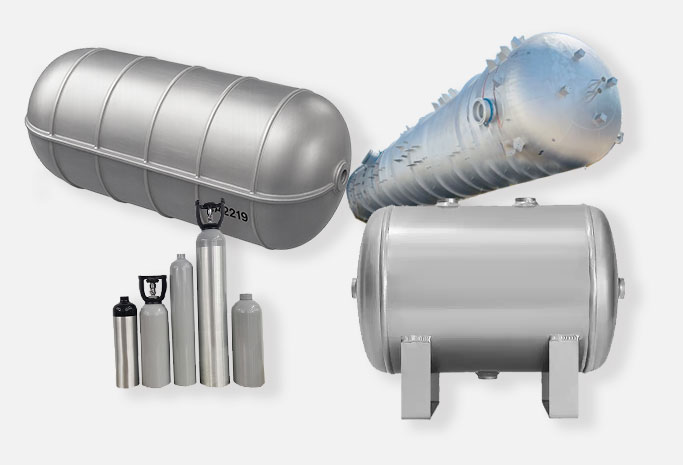
- Chemical and pressure vessels – storage tanks, pipelines, reactors, welded structures that require good media resistance and sealing.
- Architecture and general industry – curtain walls, roofing sheets, tread plates, transport tankers, balancing strength with long‑term surface durability.
Comparison with O Temper and H111 Temper
Choosing the right temper depends on the balance between strength and formability required by your specific part. The table below provides a quick reference:
|
Property |
5754 O (Annealed) |
5754 H22 |
5754 H111 |
|
Tensile strength |
210–250 MPa |
230–270 MPa |
190–240 MPa |
|
Yield strength |
90–120 MPa |
140–170 MPa |
≥80 MPa |
|
Elongation |
20%–24% |
16%–20% |
≥12% |
|
Formability |
Best (preferred for deep drawing) |
Good |
Excellent |
|
Bending difficulty |
Easiest |
Moderate (radius matters) |
Easy |
Practical Selection Advice
If your part requires deep drawing or complex stretching, the O temper is the most straightforward choice. For a balanced combination of moderate strength and good bending performance, 5754 H22 is a solid middle‑ground option. If you prioritise bending flexibility and overall toughness after welding, 5754 H111 may be more suitable. In all cases, it is wise to evaluate based on part drawings, available equipment, and the final service environment.
FAQ
Q: What is the typical tensile strength of 5754 H22?
A: It typically ranges from 230 to 270 MPa.
Q: Is 5754 H22 suitable for marine use?
A: Yes, its excellent seawater corrosion resistance makes it widely used in shipbuilding.
Q: Can it be welded without significant strength loss?
A: Yes, MIG and TIG welding work well, with only limited reduction in the heat‑affected zone.
Q: What is the minimum bending radius for H22?
A: It varies with thickness; tighter bends require testing or choosing a softer temper like H111.
Q: How does H22 differ from H111?
A: H22 offers higher strength (230–270 MPa vs 190–240 MPa) but less formability than H111.
*Mingtai Aluminum supplies 5754 H22 aluminum sheet with stable mechanical properties and reliable quality. Contact us for detailed specifications and technical support.*